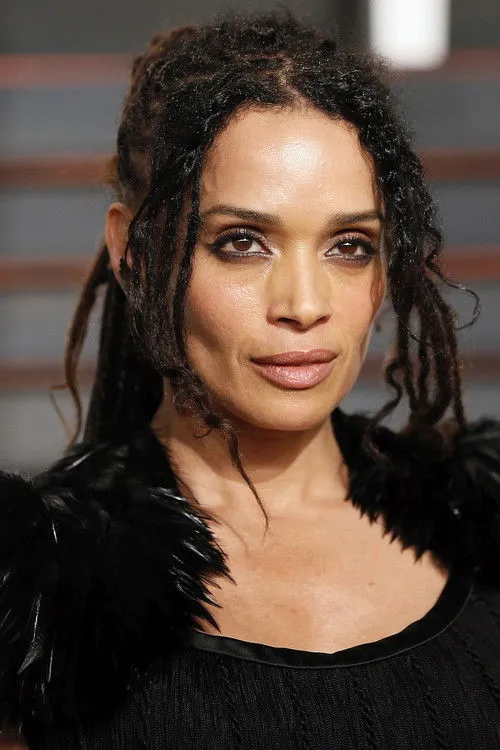
Age: 55
female
Regina Rene King (born January 15, 1971) is an American actress, director and producer. She has received various accolades, including an Academy Award, a Golden Globe Award, and four Primetime Emmy Awards. In 2019, Time magazine named her one of the 100 most influential people in the world. King first gained attention for starring in the television sitcom 227 (1985–1990). Her subsequent roles included the film Friday (1995), the animated series The Boondocks (2005–2014), and the crime television series Southland (2009–2013). She received four Primetime Emmy Awards for her performances in the ABC anthology series American Crime (2015–2017), the Netflix miniseries Seven Seconds, and the HBO limited series Watchmen (2019). Her other television roles include the drama series The Leftovers (2015–2017) and the sitcom The Big Bang Theory (2013–2019). She has also played supporting roles in the drama films Boyz n the Hood (1991), Poetic Justice (1993), How Stella Got Her Groove Back (1998), and Ray (2004), as well as in the comedies Down to Earth (2001), Legally Blonde 2: Red, White & Blonde (2003), A Cinderella Story (2004), and Miss Congeniality 2: Armed & Fabulous (2005). She earned critical acclaim, as well as the Academy Award for Best Supporting Actress, for her role in If Beale Street Could Talk (2018). She then starred in the western The Harder They Fall (2021) and played the title role in the biopic Shirley (2024). King has directed episodes for several television shows, including Scandal in 2015 and 2016 and This Is Us in 2017. She has also directed the music video for the 2010 song "Finding My Way Back" by Jaheim. King's feature film directorial debut came with the drama One Night in Miami... (2020), which earned her a nomination for the Golden Globe Award for Best Director. Description above from the Wikipedia article Regina King, licensed under CC-BY-SA, full list of contributors on Wikipedia.
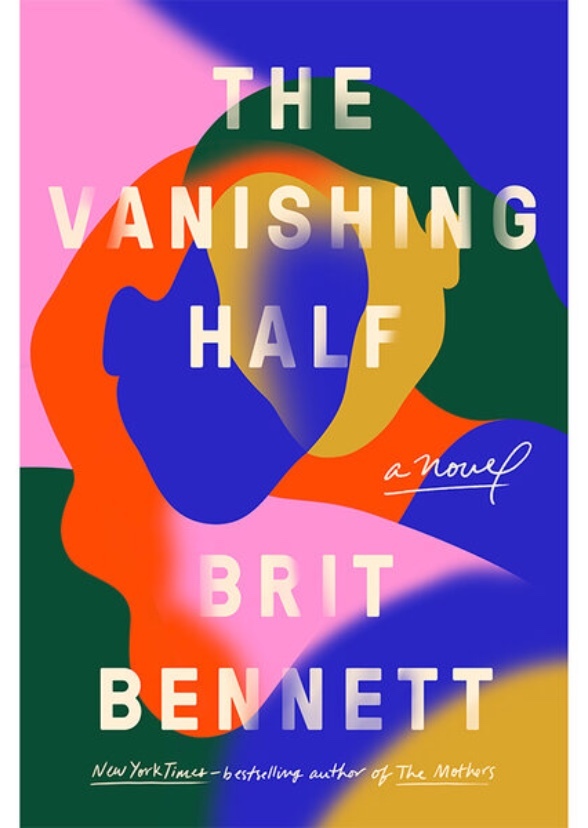
The Vignes twin sisters will always be identical. But after growing up together in a small, southern black community and running away at age sixteen, it's not just the shape of their daily lives that is different as adults, it's everything: their families, their communities, their racial identities. Many years later, one sister lives with her black daughter in the same southern town she once tried to escape. The other secretly passes for white, and her white husband knows nothing of her past. Still, even separated by so many miles and just as many lies, the fates of the twins remain intertwined. What will happen to the next generation, when their own daughters' storylines intersect?