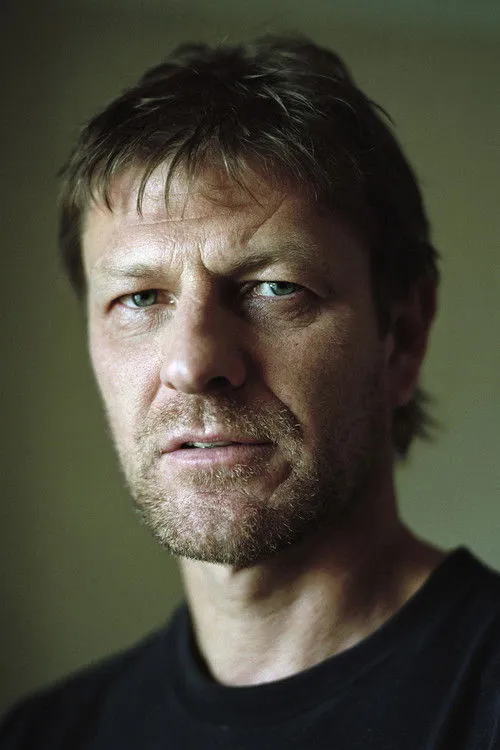
Age: 63
male
David Wheeler (born March 20, 1963), better known as David Thewlis, is an English actor and filmmaker. He is known as a character actor and has appeared in a wide variety of genres in both film and television. He has received the Cannes Film Festival Award for Best Actor and nominations for two BAFTA Awards, Golden Globe Award, Primetime Emmy Award and a Screen Actors Guild Award. Thewlis made his film debut in Little Dorrit (1987) and acted in the Mike Leigh films Life is Sweet (1990) and Naked (1993), winning the Cannes Film Festival Award for Best Actor for the latter. He then appeared in films such as Black Beauty (1994), Restoration (1995), James and the Giant Peach (1996), Dragonheart (1996), and Seven Years in Tibet (1997). He became more widely known to film audiences for his roles as Remus Lupin in the Harry Potter franchise (2004–2011) and Ares / Sir Patrick Morgan in Wonder Woman (2017). Other film roles include Kingdom of Heaven (2005), The Boy in the Striped Pyjamas (2008), War Horse (2011), The Theory of Everything (2014), Anomalisa (2015), I'm Thinking of Ending Things (2020), and Enola Holmes 2 (2022). Thewlis' most notable television roles include V. M. Varga in the third season of FX's Fargo (2017), the voice of the Shame Wizard in the Netflix animated sitcoms Big Mouth (2017–present) and Human Resources (2022–present), Christopher Edwards in the HBO miniseries Landscapers (2021), and John Dee in the Netflix drama series The Sandman (2022). His performance in Fargo earned him nominations for an Emmy, a Golden Globe, and a Critics' Choice Award.
David Thewlis

Uther Pendragon
for Uther Pendragon in The Tragedy of Arthur, King of Britain
Suggested by elgrenudocascarrabias

King Arthur was a legendary British leader who, according to medieval histories and romances, led the defence of Britain against Saxon invaders in the late 5th and early 6th centuries. The details of Arthur's story are mainly composed of folklore and literary invention, and modern historians generally agree that he is unhistorical. The sparse historical background of Arthur is gleaned from various sources, including the Annales Cambriae, the Historia Brittonum, and the writings of Gildas. Arthur's name also occurs in early poetic sources such as Y Gododdin. Arthur is a central figure in the legends making up the Matter of Britain. The legendary Arthur developed as a figure of international interest largely through the popularity of Geoffrey of Monmouth's fanciful and imaginative 12th-century Historia Regum Britanniae (History of the Kings of Britain). In some Welsh and Breton tales and poems that date from before this work, Arthur appears either as a great warrior defending Britain from human and supernatural enemies or as a magical figure of folklore, sometimes associated with the Welsh otherworld Annwn.[6] How much of Geoffrey's Historia (completed in 1138) was adapted from such earlier sources, rather than invented by Geoffrey himself, is unknown.