
Age: 38
male
Jesse Plemons (/ˈplɛmənz/; born April 2, 1988) is an American actor. He began his career as a child actor and achieved a breakthrough with his role as Landry Clarke in the NBC drama series Friday Night Lights (2006–2011). He subsequently portrayed Todd Alquist in season 5 of the AMC crime drama series Breaking Bad(2012–2013) and its sequel film El Camino: A Breaking Bad Movie (2019). He received his first Primetime Emmy Award nomination for his role as Ed Blumquist in season 2 of the FX anthology series Fargo (2015). He won a Critics' Choice Television Award. He received a second Emmy nomination for his performance in "USS Callister", an episode of the anthology series Black Mirror (2017). Plemons has acted in supporting roles in films such as The Master (2012), Bridge of Spies (2015), Game Night (2018), The Irishman (2019), Judas and the Black Messiah (2021) and Killers of the Flower Moon (2023). He starred in Other People (2016) and I'm Thinking of Ending Things (2020). For playing a rancher in The Power of the Dog (2021), he was nominated for the Academy Award for Best Supporting Actor, and for playing three roles in the anthology film Kinds of Kindness (2024), he won the Cannes Film Festival Award for Best Actor. Description above from the Wikipedia article Jesse Plemons, licensed under CC-BY-SA, full list of contributors on Wikipedia.
Jesse Plemons

The Hitchhiker
for The Hitchhiker in The Texas Chainsaw Massacre (2026 Reboot)
Suggested by kaueoliveira
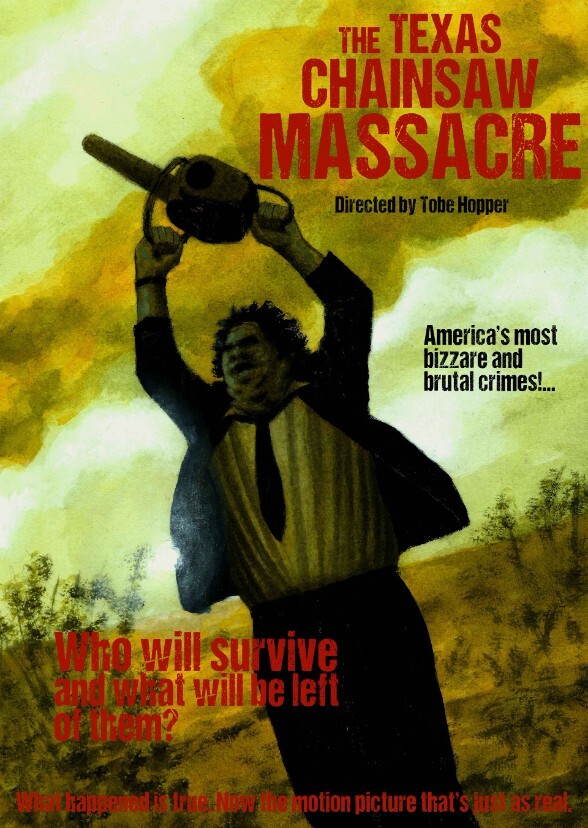
The year is 2026. A group of young, tech-savvy urban explorers—vlogging their journey to document abandoned American towns—stumble upon the desolate, forgotten rural roads of deep Texas. Their goal: to expose the grim beauty of Americana decay. Their arrogance and disconnect from the brutal realities of the forgotten countryside put them directly on the collision course with the remnants of the infamous Sawyer family, who have spent decades cultivating their horrific practices in utter isolation. This isn't just a reboot; it's a commentary on the collision of modern spectacle and primeval horror. The narrative strips back the supernatural elements of later sequels, returning to the gritty, grounded terror of the original: a story of a completely insane, profoundly poor, and desperate family of cannibalistic butchers. The climax is an agonizing, extended chase and confrontation, pushing the line between survival and madness. Leatherface is presented not as a cartoon villain, but as a silent, hulking creature of need and circumstance—a brutal enforcer driven by his family's grotesque traditions. The film aims to be a visceral, unforgiving experience that updates the 1970s nihilism for a modern audience, emphasizing the sheer, inescapable terror of being completely isolated from civilization and sanity.

