
Age: 73
male
Ciarán Hinds (/ˈkɪərən/ KEER-ən; born 9 February 1953) is an Irish actor from Belfast, Northern Ireland. Hinds is known for a range of screen and stage roles. He has starred in feature films including The Cook, the Thief, His Wife & Her Lover (1989), Persuasion (1995), Oscar and Lucinda (1997), Road to Perdition (2002), The Sum of All Fears (2002), Munich (2005), Amazing Grace (2007), There Will Be Blood (2007), Miss Pettigrew Lives for a Day (2008), Harry Potter and the Deathly Hallows – Part 2 (2011), Tinker Tailor Soldier Spy (2011), Silence (2016), First Man (2018) and Belfast (2021), the last of which earned him Oscar and BAFTA nominations for Best Supporting Actor. Known for his distinctively deep voice, Hinds is also known for his voice role as Grand Pabbie, the Troll King, in the animated films Frozen (2013) and Frozen II (2019). He played General Zakharow in Red Sparrow (2018). He also portrayed Steppenwolf in Zack Snyder's Justice League (2017) and its 2021 director's cut. His television roles include Julius Caesar in the series Rome, DCI James Langton in Above Suspicion, Mance Rayder in Game of Thrones, and Captain Sir John Franklin in The Terror. In addition, Hinds appeared in season 3 of Shetland (2016), produced by ITV. As a stage actor, Hinds has spent periods with the Royal Shakespeare Company and the Royal National Theatre, and six seasons with Glasgow Citizens' Theatre. Hinds has continued to work on stage throughout his career. In 2020, he was ranked 31st on The Irish Times list of Ireland's greatest film actors. Description above from the Wikipedia article Ciarán Hinds, licensed under CC-BY-SA, full list of contributors on Wikipedia.
Ciarán Hinds

Titus Annius Luscus
for Titus Annius Luscus in The Storm Before the Storm
Suggested by thomasron
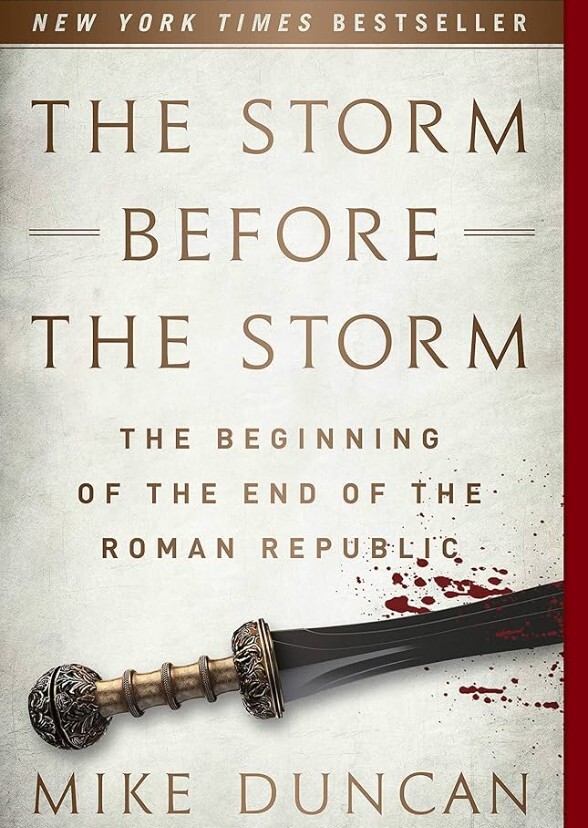
Based on the book by historian and podcaster Mike Duncan, published in 2017. It explores the turbulent period of Roman history between 146 and 78 BCE, preceding the fall of the Roman Republic and setting the stage for the rise of the Roman Empire. This era includes conflicts, political corruption, economic inequality, and social upheaval that eroded the foundations of the Roman Republic. The show emphasizes that the problems facing Rome in this period weren’t only due to external threats but also stemmed from internal struggles, including the ambitions of powerful men like the Gracchi brothers, Marius, and Sulla. These figures pushed Rome toward violence, class division, and unprecedented concentration of power—signaling a breakdown of political norms that eventually led to civil wars and the fall of the Republic. Duncan’s work draws parallels to modern issues of political instability, economic inequality, and the erosion of democratic norms. This historical analysis provides insights into how unchecked ambition and divisive politics can destabilize a society, making it a timely reminder of the importance of political resilience and integrity.

