
Age: 63
male
David Wheeler (born March 20, 1963), better known as David Thewlis, is an English actor and filmmaker. He is known as a character actor and has appeared in a wide variety of genres in both film and television. He has received the Cannes Film Festival Award for Best Actor and nominations for two BAFTA Awards, Golden Globe Award, Primetime Emmy Award and a Screen Actors Guild Award. Thewlis made his film debut in Little Dorrit (1987) and acted in the Mike Leigh films Life is Sweet (1990) and Naked (1993), winning the Cannes Film Festival Award for Best Actor for the latter. He then appeared in films such as Black Beauty (1994), Restoration (1995), James and the Giant Peach (1996), Dragonheart (1996), and Seven Years in Tibet (1997). He became more widely known to film audiences for his roles as Remus Lupin in the Harry Potter franchise (2004–2011) and Ares / Sir Patrick Morgan in Wonder Woman (2017). Other film roles include Kingdom of Heaven (2005), The Boy in the Striped Pyjamas (2008), War Horse (2011), The Theory of Everything (2014), Anomalisa (2015), I'm Thinking of Ending Things (2020), and Enola Holmes 2 (2022). Thewlis' most notable television roles include V. M. Varga in the third season of FX's Fargo (2017), the voice of the Shame Wizard in the Netflix animated sitcoms Big Mouth (2017–present) and Human Resources (2022–present), Christopher Edwards in the HBO miniseries Landscapers (2021), and John Dee in the Netflix drama series The Sandman (2022). His performance in Fargo earned him nominations for an Emmy, a Golden Globe, and a Critics' Choice Award.
David Thewlis

Rubrius (A Roman Tribune)
for Rubrius (A Roman Tribune) in The Storm Before the Storm
Suggested by thomasron
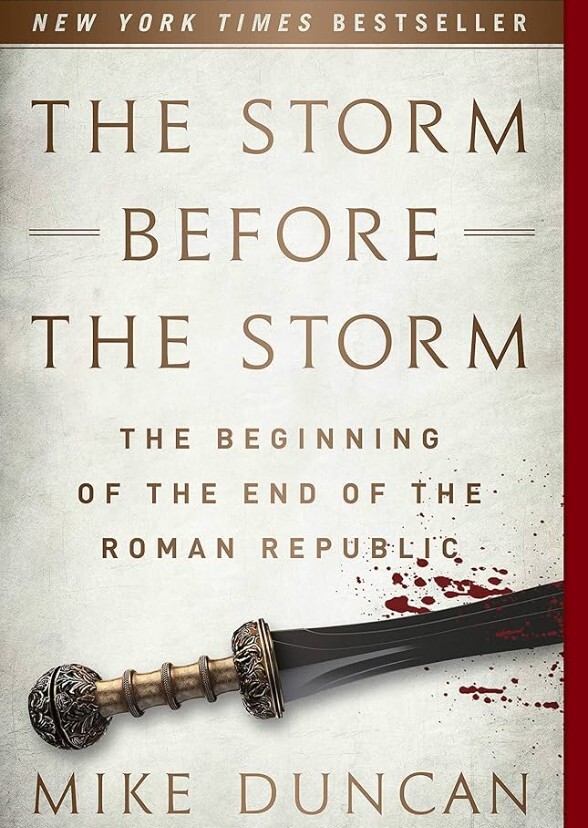
Based on the book by historian and podcaster Mike Duncan, published in 2017. It explores the turbulent period of Roman history between 146 and 78 BCE, preceding the fall of the Roman Republic and setting the stage for the rise of the Roman Empire. This era includes conflicts, political corruption, economic inequality, and social upheaval that eroded the foundations of the Roman Republic. The show emphasizes that the problems facing Rome in this period weren’t only due to external threats but also stemmed from internal struggles, including the ambitions of powerful men like the Gracchi brothers, Marius, and Sulla. These figures pushed Rome toward violence, class division, and unprecedented concentration of power—signaling a breakdown of political norms that eventually led to civil wars and the fall of the Republic. Duncan’s work draws parallels to modern issues of political instability, economic inequality, and the erosion of democratic norms. This historical analysis provides insights into how unchecked ambition and divisive politics can destabilize a society, making it a timely reminder of the importance of political resilience and integrity.

