
Age: 52
male
Edgar Howard Wright (born 18 April 1974) is an English filmmaker. He is known for his fast-paced and kinetic, satirical genre films, which feature extensive utilisation of expressive popular music, Steadicam tracking shots, dolly zooms and a signature editing style that includes transitions, whip pans and wipes. He first made independent short films before making his first feature film, A Fistful of Fingers, in 1995. Wright created and directed the comedy series Asylum in 1996, written with David Walliams. After directing several other television shows, Wright directed the sitcom Spaced (1999–2001), which aired for two series and starred frequent collaborators Simon Pegg and Nick Frost. In 2004, Wright directed the zombie comedy Shaun of the Dead, starring Pegg and Frost, the first film in Wright's Three Flavours Cornetto trilogy. The film was co-written with Pegg—as were the next two entries in the trilogy, the buddy cop film Hot Fuzz (2007) and the science fiction comedy The World's End (2013). In 2010, Wright co-wrote and directed the action comedy film Scott Pilgrim vs. the World, an adaptation of the graphic novel series. Along with Joe Cornish and Steven Moffat, he adapted The Adventures of Tintin (2011) for Steven Spielberg. Wright and Cornish co-wrote the screenplay for the Marvel Cinematic Universe film Ant-Man in 2015, which Wright intended to direct but abandoned, citing creative differences. He has also written and directed the action film Baby Driver (2017), the documentary The Sparks Brothers, and the psychological horror film Last Night in Soho (both 2021).
Edgar Wright

Director
for Director in THE SPECTACULAR SPIDER-MAN: HIGH FIDELITY
Suggested by Spidermaj
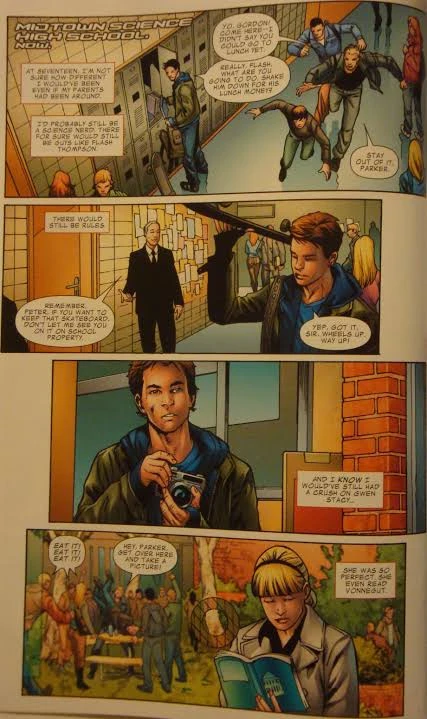
Peter Parker's double life fractures under impossible pressure. By day, he's a struggling high school student drowning in grief and responsibility. By night, he's Spider-Man—a hero the city depends on, a vigilante the authorities hunt. When a mysterious new threat emerges in Queens, Peter must choose between protecting his loved ones and saving strangers. Every decision carries weight. Every secret threatens exposure. His aunt needs him. His friends need him. The city needs him. But Peter can only be in one place at a time, and someone will pay the price for his absence. As danger closes in from all sides, Peter discovers that the greatest threat isn't external—it's the man he's becoming. The mask no longer separates Peter Parker from Spider-Man. It erases the line between them entirely.

