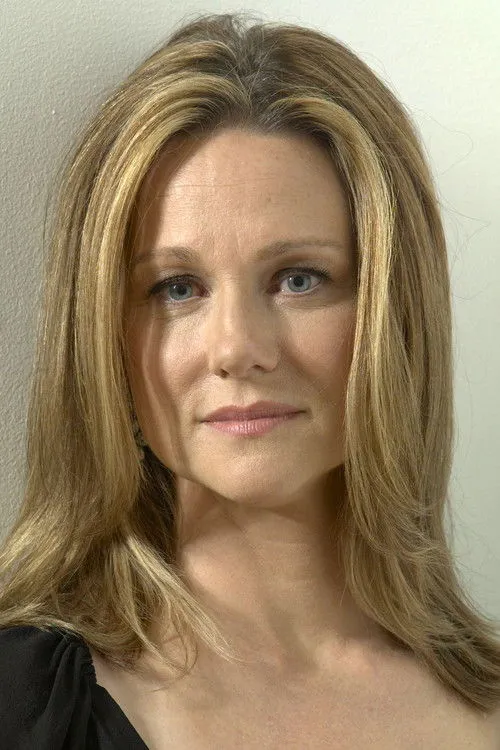
Age: 62
female
Laura Leggett Linney (born February 5, 1964) is an American actress. She is the recipient of several awards, including two Golden Globe Awards and four Primetime Emmy Awards, and has been nominated for three Academy Awards and five Tony Awards. Linney made her Broadway debut in 1990 before going on to receive Tony Award nominations for the 2002 revival of The Crucible, the original Broadway productions of Sight Unseen (2004), Time Stands Still (2010), My Name Is Lucy Barton (2020), and the 2017 revival of The Little Foxes. On television, she won her first Emmy Award for the television film Wild Iris (2001), and had subsequent wins for the sitcom Frasier (2003–04) and the miniseries John Adams (2008). From 2010 to 2013, she starred in the Showtime series The Big C, which won her a fourth Emmy in 2013, and from 2017 to 2022 she starred in the Netflix crime series Ozark. Linney is also an established film actress. She made her film debut with a minor role in Lorenzo's Oil (1992) and went on to receive Academy Award nominations for the dramas You Can Count on Me (2000), Kinsey (2004), and The Savages (2007). She's also known for her performances in Primal Fear (1996), The Truman Show (1998), Mystic River and Love Actually (both 2003), The Squid and the Whale (2005), The Nanny Diaries (2007), Hyde Park on Hudson (2012), Mr. Holmes (2015), Sully and Nocturnal Animals (both 2016).
Laura Linney

Senator Virginia Hawke
for Senator Virginia Hawke in The Sovereign
Suggested by mr95
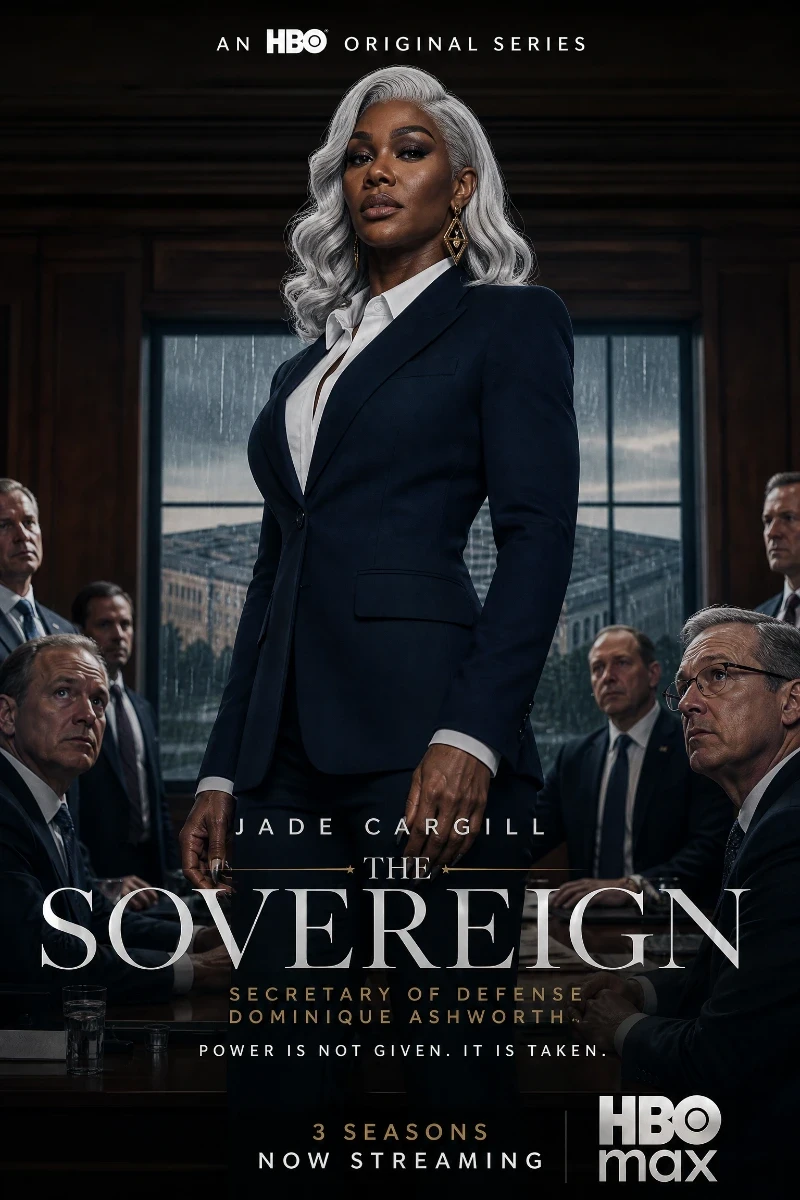
She became the first Black female Secretary of Defense. What she did next changed the definition of the office forever. Dominique Ashworth has had a career that looks, on paper, like a series of impossible achievements: first Black woman to command a Joint Special Operations unit, first Black woman to serve as National Security Adviser, and now, at 38, the youngest and first Black female Secretary of Defense in US history. The series begins on her third day in office, when she receives intelligence that a covert operation she approved before taking office has gone catastrophically wrong and created a crisis that could destabilize three allied governments. The first season tracks her navigation of this crisis while simultaneously establishing herself in an office that has never seen her kind of presence. Seasons two and three expand the scope: a direct military confrontation with a major adversary that forces her to navigate the full weight of her office, and a domestic political crisis in which she becomes the target of both partisan opposition and a deeper conspiracy within the defense establishment itself. The show is a West Wing-style political drama with a thriller's pace, exploring the intersection of power, race, gender, and national security through a protagonist who refuses to be either a symbol or a cautionary tale. Season 1 — The Crisis Three days into office. A covert operation gone wrong. Dominique must fix a crisis she partially created while establishing herself in the most powerful office she has ever held. Season 2 — The Confrontation A direct military standoff with a major adversary. Dominique must navigate political pressure, military advice, and her own convictions simultaneously. Season 3 — The Conspiracy The defense establishment's hidden network emerges to undermine her. The show's most personal season — Dominique fighting for the office she proved she deserved.

