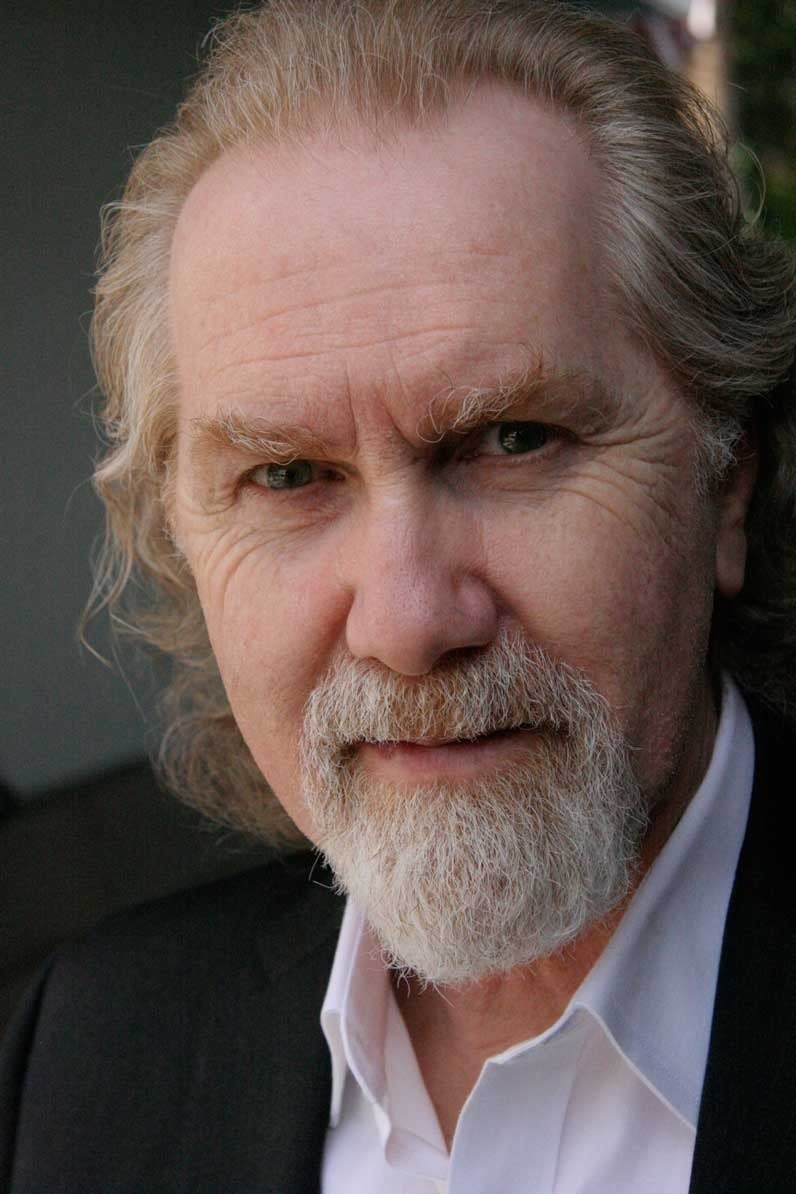
Age: 74
male
Harry Groener is a German-born American actor and dancer born on September 10, 1951, in Augsburg, Bavaria, Germany, to a musical family with an opera singer mother and concert pianist father. He emigrated to the United States with his family when he was two years old and later apprenticed with the San Francisco Ballet before studying drama at the University of Washington. Groener began his career in theater, making his Broadway debut in the 1979 production of "Oklahoma!" and going on to appear in shows including "Cats," "Crazy for You," and "Copenhagen," earning several Tony nominations for musicals like "Oklahoma!" and "Cats." He transitioned successfully to television and film, becoming perhaps best known for playing Mayor Wilkins in Buffy the Vampire Slayer (seasons 3, 4 and 7), while also appearing in Dear John as Ralph Drang, How I Met Your Mother as Clint, and Mad About You as Lance Brockwell. His extensive television work includes multiple Star Trek series appearances, playing Tam Elbrun in The Next Generation's "Tin Man" episode, the Nechani Magistrate in Voyager's "Sacred Ground" episode, and Minister Nathan Samuels in Enterprise's "Demons" and "Terra Prime" episodes, and his film credits include A Cure for Wellness (2016), Patch Adams (1998) and Road to Perdition (2002). He has been married to Dawn Didawick since September 19, 1978, and his versatility as both a stage and screen actor, combined with his memorable villainous turn as the charming yet sinister Mayor Wilkins, has made him a respected figure in both theater and television.
Harry Groener

Father Lorenz Stein
for Father Lorenz Stein in The Sorrows of Young Werther
Suggested by sepanta_kazemi
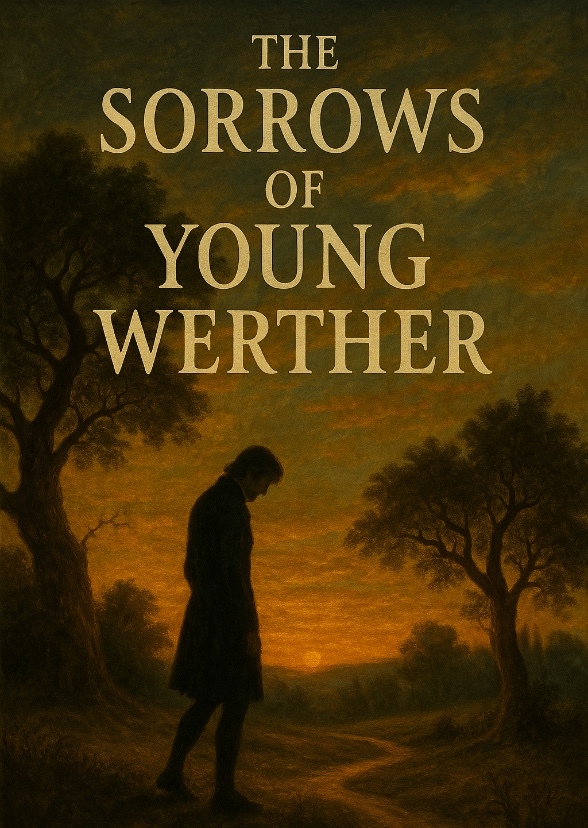
The story follows Werther, a sensitive young artist who leaves behind everything familiar, hoping to escape the weight of his past. In his letters to his friend Wilhelm, he tries to understand his own heart, a heart that pulls him toward joy and despair with equal force. He settles in a quiet village in the spring of 1771, seeking rest, beauty, and a return to himself. But at a local gathering he meets Charlotte. She is kind, graceful, grounded — and already engaged to Albert. In that moment, Werther’s fate is sealed. What begins as admiration becomes an overwhelming love. Charlotte’s gentle presence becomes the center of his inner world. He spends long days speaking with her, walking with her, memorizing every gesture. She cares for him with warmth and honesty, yet always within the boundaries of loyalty to her fiancé. For Werther, this half-light becomes torture. He knows he cannot have her, yet cannot leave her. The conflict consumes him. His letters capture every shift of emotion — tenderness, jealousy, hope, guilt. The villagers around him seem cold, dull, hostile. He feels misunderstood, misplaced, trapped in a world that cannot hold the intensity of his feelings. Even his art dries up. Nature itself becomes an echo of his sorrow. Werther tries to leave the village, to free himself from the longing that is destroying him. But he returns, drawn back by a love that has already defined him. What he finds upon returning only deepens his despair. His guilt grows. His loneliness sharpens. His sense of shame and fear of public judgment haunt him. Werther sees no escape from the impossible triangle he is trapped in — Charlotte, Albert, and himself. To him, love becomes both a sanctuary and a prison, something sacred and yet unbearable. His final act emerges from a soul torn between passion, idealism, and the unbearable truth that the life he longs for will never exist. Werther’s name itself carries two meanings — “island” and “more precious” — perfectly capturing the essence of his character: isolated, idealistic, and set apart from the ordinary world by the sheer intensity of his heart.


