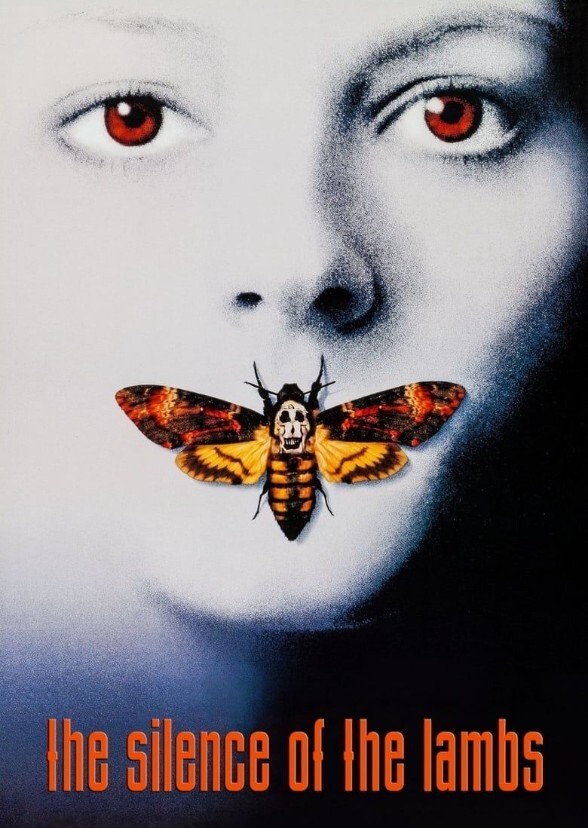
The year is 2026. The FBI's Behavioral Science Unit is struggling to catch a new breed of killer who operates online and in the shadows. Clarice Starling is not just a trainee; she is a top-tier forensic psychology student with a chip on her shoulder, battling the rampant misogyny and bureaucracy of the Academy. She is handpicked by Jack Crawford to interview Dr. Hannibal Lecter, a former brilliant psychiatrist and cannibalistic serial killer held in a high-tech, sterile glass prison that feels more like a laboratory than a dungeon.
The target is "Buffalo Bill," a killer who is skinning women. In this version, Bill is portrayed not just as a chaotic madman, but as a terrified, isolated figure obsessed with "radical transformation" in a dystopian, image-obsessed society. The film focuses heavily on the transactional, intellectual seduction between Clarice and Lecter. Lecter doesn't just want into Clarice's head; he wants to dismantle her worldview. The climax in Bill’s basement is a claustrophobic nightmare shot in complete darkness (night vision), emphasizing Clarice’s sensory isolation and sheer will to survive.