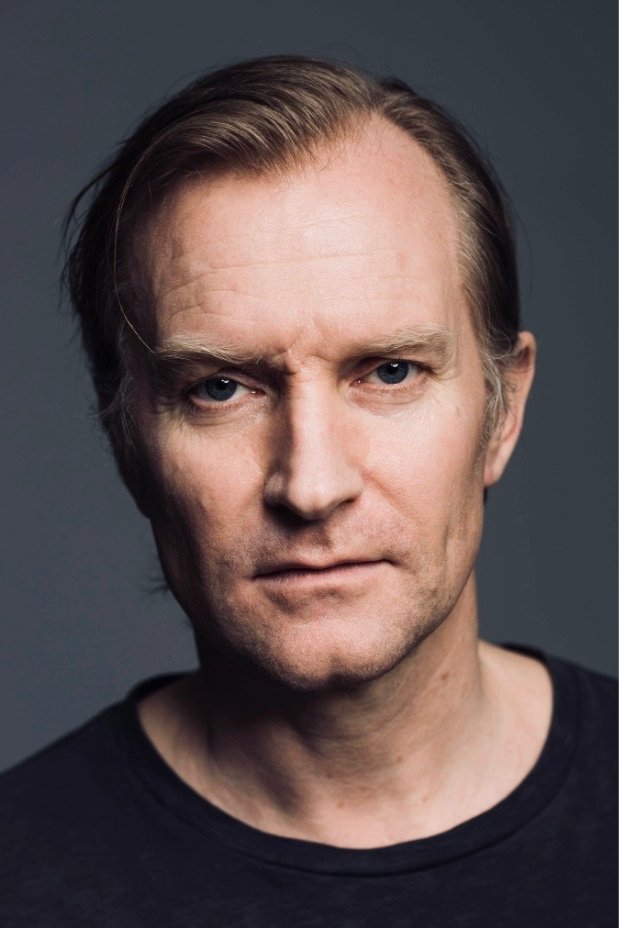
Age: 62
male
Ulrich Thomsen (born 6 December 1963) is a Danish actor and filmmaker known for his role of Christian in the 1998 film The Celebration and for the role of Kai Proctor in the Cinemax original series Banshee (2013–2016). Ulrich Thomsen was born in (Næsby) Odense, Denmark and graduated from the Danish National School of Theatre and Contemporary Dance in 1993, after which he performed in several theatres in Copenhagen, such as Dr Dantes Aveny, Mungo Park and Østre Gasværks Teater. His film debut was in 1994 in Nightwatch, directed by Ole Bornedal. Since then, he has starred in several roles, including, among others, Thomas Vinterberg's The Biggest Heroes (1996), Susanne Bier's Sekten (1997) and Anders Thomas Jensen's Flickering Lights (2000). The breakthrough in his career came in the 1998 film, Followed by an essential role in the James Bond film The World Is Not Enough (1999) portraying the part of henchman Sasha Davidov. This established Thomsen as an international actor, famous outside his native Denmark. He played a part in the 2002 English film Killing Me Softly. In 2009, he played Jonas Skarssen, the lead villain in Tom Tykwer's The International. From 2013 to 2016, he starred as a series regular in Banshee, playing the primary antagonist, Kai Proctor. Aside from his native language, Danish, Thomsen is fluent in German and English. He is vegan. Description above from the Wikipedia article Ulrich Thomsen, licensed under CC-BY-SA, full list of contributors on Wikipedia.
Ulrich Thomsen

Bjarne Møller
for Bjarne Møller in The Redeemer
Suggested by sepanta_kazemi
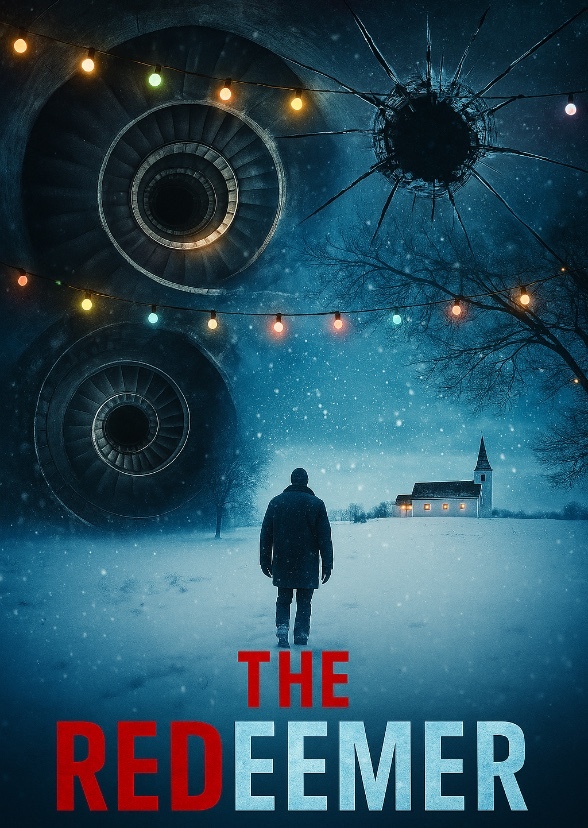
Oslo, late November. The city dresses itself in Christmas lights, but the cold underneath is real. Crowds gather. Music plays. And somewhere behind the glow, a rifle is being assembled with steady hands. A Salvation Army street concert becomes the perfect cover for a killing. One shot. One body. Panic in the snow. The shooter disappears into the holiday rush like he was never there. Detective Harry Hole arrives to a scene that feels staged for maximum chaos. Witnesses clash. Timelines slip. A single clue suggests the assassin is trained, disciplined, and following a plan that started long before this night. As Harry hunts through Oslo’s back streets and quiet rooms, the case opens into two worlds. One is the city’s public face, charity, faith, and tradition. The other is hidden, built from old loyalties, old crimes, and men who learned to survive by becoming ruthless. The killer isn’t improvising. He’s correcting something. Every move points to a target beyond the first victim. Harry realizes the murder is not the end of the story. It’s the opening scene. With Christmas closing in, the pressure turns personal. Harry pushes past orders, past politics, past the limits of his own body. Because the next shot is already scheduled. And in a city singing carols, someone is about to deliver redemption at gunpoint.

