Died at 101
male
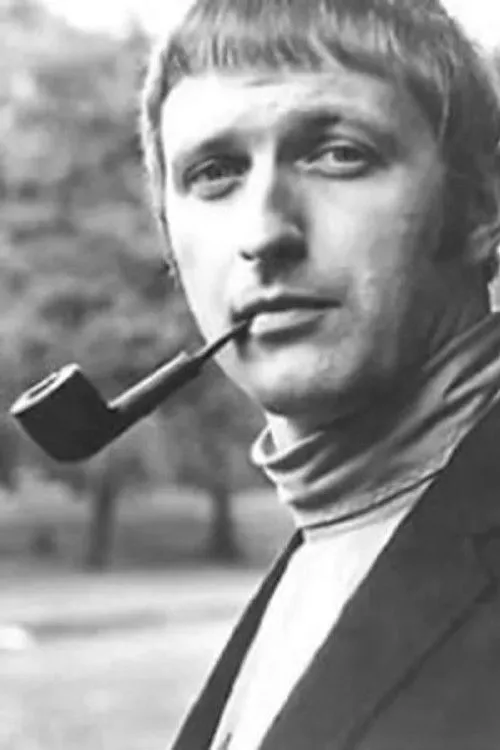
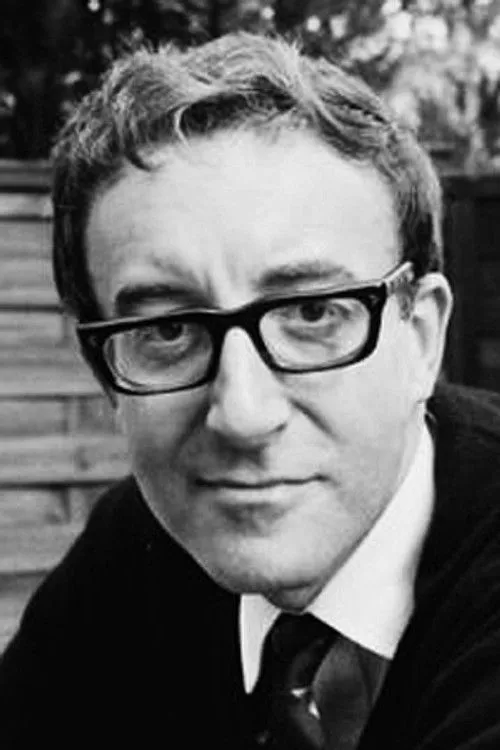
Richard Henry Sellers, CBE (September 8, 1925 – July 24, 1980), known as Peter Sellers, was a British comedian and actor best known as Chief Inspector Clouseau in The Pink Panther film series, for playing three different characters in Dr. Strangelove, as Clare Quilty in Lolita, and as the man-child and TV-addicted Chance the gardener in his penultimate film, Being There. Leading actress Bette Davis once remarked of him, "He isn't an actor—he's a chameleon." Sellers rose to fame on the BBC Radio comedy series The Goon Show. His ability to speak in different accents (e.g., French, Indian, American, German, as well as British regional accents), along with his talent to portray a range of characters to comic effect, contributed to his success as a radio personality and screen actor and earned him national and international nominations and awards. Many of his characters became ingrained in public perception of his work. Sellers' private life was characterized by turmoil and crises, and included emotional problems and substance abuse. Sellers was married four times, and had three children from the first two marriages. An enigmatic figure, he often claimed to have no identity outside the roles that he played, but he left his own portrait since, "he obsessively filmed his homes, his family, people he knew, anything that took his fancy right to the end of his life—intimate film that remained undiscovered until long after his death in 1980." The director Peter Hall has said: "Peter had the ability to identify completely with another person, and think his way physically, mentally and emotionally into their skin. Where does that come from? I have no idea. Is it a curse? Often. I think it's not enough though in this business to have talent. You have to have talent to handle the talent. And that I think Peter did not have."
Peter Sellers

Robert Grove
for Robert Grove in The play that goes wrong (1972)
Suggested by isaacfilms
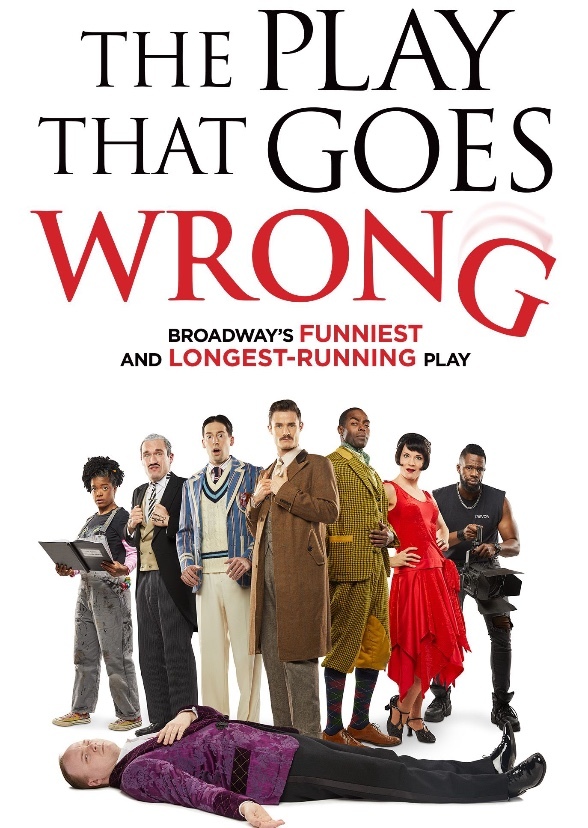
The fictitious Cornley Polytechnic Drama Society (Cornley University in the American version), fresh from such hits as The Lion and The Wardrobe, Cat, and James and the Peach (or James, Where's your Peach?), has received a substantial bequest and is putting on a performance of The Murder at Haversham Manor – a 1920s murder mystery play, similar to The Mousetrap, which has the right number of parts for the members. The script was written by the fictitious Susie H. K. Brideswell. During the performance, a play within a play, a plethora of disasters befall the cast, including doors sticking, props falling from the walls, and floors collapsing. Cast members are seen misplacing props, forgetting lines (in one scene, an actor repeats an earlier line of dialogue and causes the dialogue sequence triggered by that line to be repeated, ever more frenetically, several times), missing cues, breaking character, having to drink white spirit instead of whisky, mispronouncing words, stepping on fingers, being hidden in a grandfather clock, and being manhandled off stage, with one cast member being knocked unconscious and her replacement (and the group technician) refusing to yield when she returns. The climax is a tribute to a scene in Buster Keaton's film Steamboat Bill, Jr. (1928), when virtually the whole of the remaining set collapses.