Died at 98
male
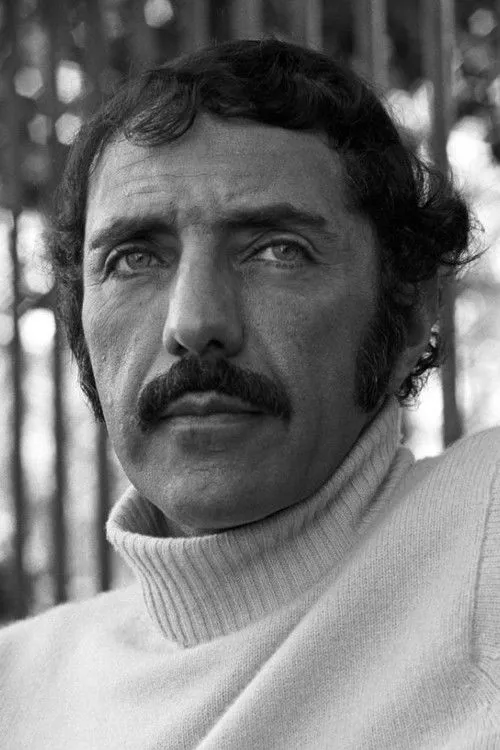
William Peter Blatty (January 7, 1928 – January 12, 2017) was an American writer, director and producer. He is best known for his 1971 novel The Exorcist and for his screenplay for the 1973 film adaptation. Blatty won an Academy Award for Best Adapted Screenplay for The Exorcist, and was nominated for Best Picture as its producer. The film also earned Blatty a Golden Globe Award for Best Motion Picture – Drama as producer. Born and raised in New York City, Blatty received his bachelor's degree in English from Georgetown University in 1950, and his master's degree in English literature from the George Washington University. Following completion of his master's degree in 1954, he joined the United States Air Force and served in the Psychological Warfare Division where he attained the rank of first lieutenant. After service in the air force, he worked for the United States Information Agency in Beirut. After the success of The Exorcist, Blatty reworked his 1966 novel Twinkle, Twinkle, "Killer" Kane! into a new novel titled The Ninth Configuration, published in 1978. He went on to adapt the novel into the 1980 film, which was also his directorial debut. At the 38th Golden Globe Awards, the film won Best Screenplay and was nominated for Best Picture. Blatty refused to have any involvement with the first sequel to The Exorcist; it was critically panned. He directed the second sequel, The Exorcist III (1990), which he adapted from his 1983 novel Legion. His second film as a director, The Exorcist III was his final directorial credit and final screenplay credit. Some of his later novels include Elsewhere (2009), Dimiter (2010) and Crazy (2010). Description above from the Wikipedia article William Peter Blatty, licensed under CC-BY-SA, full list of contributors on Wikipedia.

Inspector Clouseau is a loyal if one of the most unorthodox members of the Sûreté or French National Police and has been assigned to travel with a detachment to provide security detail for Princess Dala who has escaped the overthrow of her home country Lugash by its Secret Police who are sponsoring a religious fundamentalist regime and their own crime syndicates both wanting to impose an extremist Sharia law that grants them absolute power over all of Lugash's citizens. Only with the family jewel the Pink Panther will the claim to Lugash be sealed. Knowing that Dala's family jewel the Pink Panther will be too big of a prize for his archenemy the Phantom to resist, Clouseau hopes to set a trap for the thief he attempted to catch long ago while he, his comrades and extended family try to keep the princess safe and happy. The Phantom, also known as the English playboy Sir Charles Litton, steals jewels from very rich and corrupt people while leaving a white monogrammed man's glove with the initial 'P' on it as he enacts a breed of vigilante justice that baffles INTERPOL. As he moves to prepare a theft of the diamond, he starts to fall in love with the princess. Clouseau's stumbling, bumbling antics at times relieve the tension and keep the atmosphere from getting too grim, but they all take their toll on the sanity of Clouseau's immediate superior Chief Inspector Charles LaRousse Dreyfus, who at any moment could very well snap and try to do away with and kill Clouseau.