
Age: 59
male
Mark Gatiss (/ˈɡeɪtɪs/; born 17 October 1966) is an English actor, comedian, screenwriter, director, producer and novelist. He is best known for his work on television, acting in and co-creating shows with Steven Moffat. Gatiss has received several awards, including a BAFTA TV Award, a Primetime Emmy Award, a Peabody Award, and two Laurence Olivier Awards. Gatiss co-created, co-wrote and acted in the BBC comedy series The League of Gentlemen (1999–2002). He co-created and portrayed Mycroft Holmes in the BBC series Sherlock (2010–2017) and Frank Renfield in the BBC / Netflix miniseries Dracula (2020). He also wrote several episodes of Doctor Who during Moffat's tenure as showrunner and two episodes during Russell T Davies' earlier tenure. His other TV roles include Tycho Nestoris in Game of Thrones (2014–2017), Stephen Gardiner in Wolf Hall (2015), and Peter Mandelson in Coalition (2015). He has acted in films such as Victor Frankenstein (2015), Denial (2016), Christopher Robin (2018), The Favourite (2018), The Father (2020), Operation Mincemeat (2021), and Mission: Impossible – Dead Reckoning Part One (2023). On stage, Gatiss played Menenius in the revival of William Shakespeare's Coriolanus (2013), for which he earned a Laurence Olivier Award for Best Actor in a Supporting Role nomination. He took on the role of King George III in a revival of the Alan Bennett play The Madness of George III (2018). He portrayed Sir John Gielgud in the Jack Thorne play The Motive and the Cue (2023), for which he earned the Laurence Olivier Award for Best Actor. His other theatre roles include The Recruiting Officer (2012), The Vote (2015), and A Christmas Carol: A Ghost Story (2021). Description above from the Wikipedia article Mark Gatiss, licensed under CC-BY-SA, full list of contributors on Wikipedia.
Mark Gatiss

Detective. Emil Tupolski
for Detective. Emil Tupolski in The Pillowman
Suggested by sepanta_kazemi
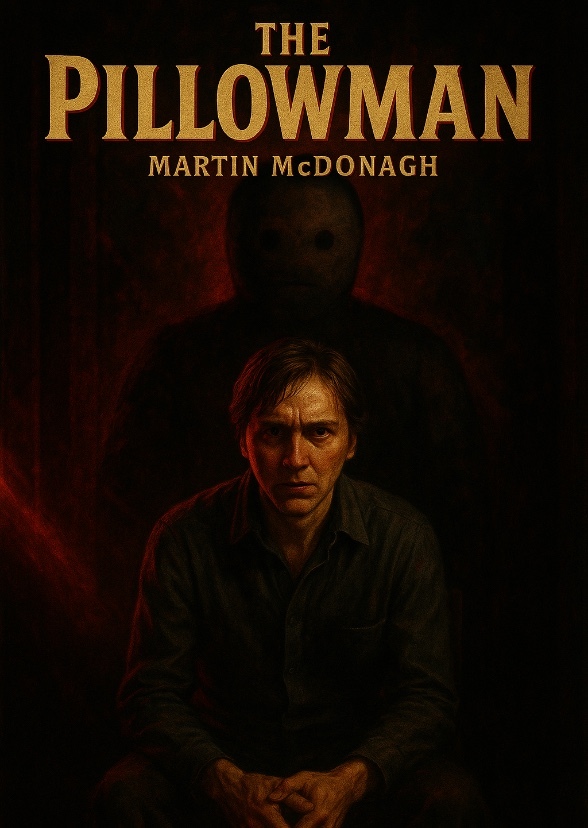
In a bleak interrogation room, a writer named Katurian is pulled into a nightmare he never imagined. Known for his disturbing short stories—tales filled with violence, damaged childhoods, and unsettling imagination—he now finds himself questioned by the police when a series of child murders eerily resemble scenes from his fiction. As the hours pass, two contrasting officers, Tupolski and Ariel, press him for answers. Their methods clash, their tempers shift, and every story Katurian has ever written suddenly becomes potential evidence. The pressure intensifies when they reveal that his vulnerable brother, Michal, may be connected to the crimes in ways Katurian never expected. Reality and imagination start to blur. Katurian’s own stories echo hauntingly through the investigation, forcing him to confront what it means to create dark art in a world already full of darkness. Is a writer responsible for the shadows he puts on the page? Do stories shape people, or do people shape stories? And how much pain must an artist endure to tell the truth? As the night spirals deeper, Katurian and Michal face choices that cut to the bone—choices about loyalty, creation, guilt, and the cost of telling stories that refuse to be silenced. A tense psychological drama wrapped inside a writer’s worst fears, The Pillowman explores the fragile line between fiction and reality… and the dangerous places where they collide.


