
Age: 47
female
Sarah Ellen Polley OC (born January 8, 1979) is a Canadian filmmaker, political activist and retired actress. She first garnered attention as a child actress for her role as Ramona Quimby in the television series Ramona, based on Beverly Cleary's books. This subsequently led to her role as Sara Stanley in the Canadian television series Road to Avonlea (1990–1996). She has starred in many feature films, including The Adventures of Baron Munchausen (1988), Exotica (1994), The Sweet Hereafter (1997), Guinevere (1999), Go (1999), The Weight of Water (2000), No Such Thing (2001), My Life Without Me (2003), Dawn of the Dead (2004), Splice (2009), and Mr. Nobody (2009). Polley made her feature film directorial debut with Away from Her (2006), for which she won the Canadian Screen Award for Best Director and was nominated for the Academy Award for Best Adapted Screenplay. Polley's second film, Take This Waltz (2011), premiered at the 2011 Toronto International Film Festival, followed by her first documentary film, Stories We Tell (2012). She also wrote the miniseries Alias Grace, based on the 1996 novel of the same name by Margaret Atwood. In 2022, Polley wrote and directed the film Women Talking, based on the 2018 novel of the same name by Miriam Toews, for which she won the Academy Award for Best Adapted Screenplay. Description above from the Wikipedia article Sarah Polley, licensed under CC-BY-SA, full list of contributors on Wikipedia.
Sarah Polley

Writer
for Writer in The Peacock and the Pen: The Flannery O’Connor Story
Suggested by kamsismith
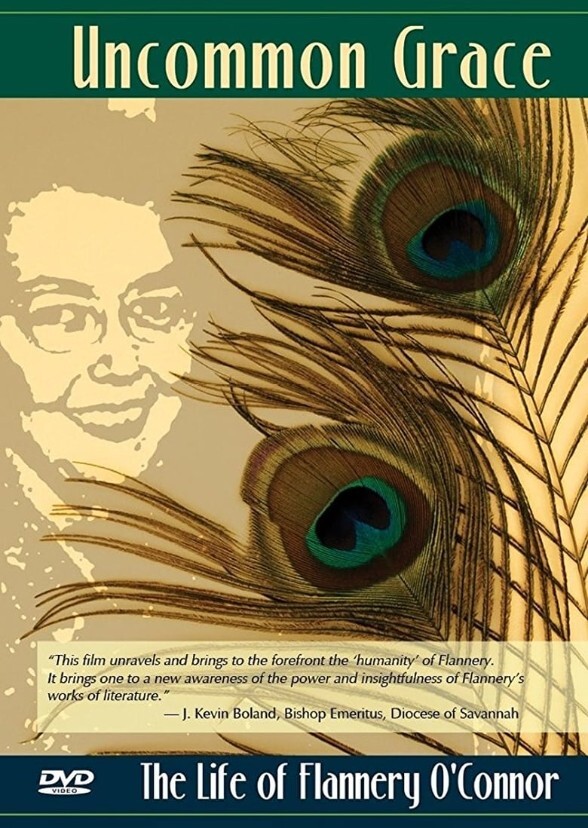
In The Peacock and the Pen, we invite audiences into the life of one of America’s most enigmatic literary voices, Flannery O’Connor—a woman who blended grace and darkness with unmatched Southern Gothic flair. The story is set against the backdrop of the American South in the 1950s and follows O’Connor from her early days as a fiercely intelligent girl in Georgia, through her rise as a sharp-witted but misunderstood writer, to the final years she spent writing in her family's farmhouse while battling debilitating lupus. This is not just the story of an author but a woman whose uncompromising vision collided with the complexities of race, religion, and human frailty in the Deep South. As O’Connor confronts her disease, she finds both a painful kinship and a redemptive purpose through her characters, bringing to life a gallery of unforgettable figures that reveal humanity’s deepest contradictions. The Peacock and the Pen is part intimate character study, part meditation on the creative spirit. We see her iconic moments: her fascination with peacocks (a recurring symbol in her work and her life), her uncomfortable but loving relationship with her mother, and her connection to the Catholic faith that both fueled and constrained her. Through flashbacks, dream sequences, and moments of raw confrontation, we delve into her mind, experiencing her fascination with the grotesque and her fierce, dry wit.