Age: 46
male
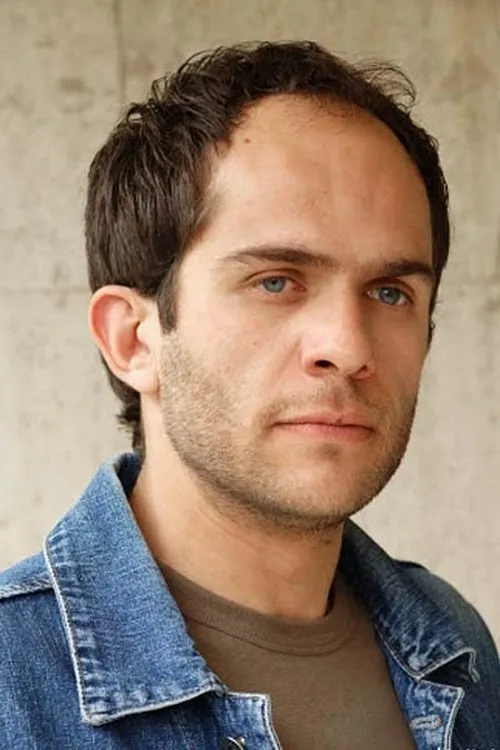
Babak Hamidian (بابک حمیدیان) was born in Tehran. He has a degree in Performance Arts from Islamic Azad University. His first acting experience was in a play. After meeting Atila Pesiani, he joined the Play Theater Troupe. He made his film debut with Qadamgah in 2003. In 2004, Babak Hamidian was nominated for an Iran Cinema Celebration Award for Best Actor in a Supporting Role for Big Drum Under Left Foot. He received an Iran Cinema Celebration Award for Best Actor in a Supporting Role for 'The Loose Rope'. He has also appeared in films such as 'Big Drum Under Left Foot', 'God is Close, 'With Others', 'Hatred', 'Hush Girls Don't Cry', 'Tales', 'Death of the Fish', 'Hussein Who Said No', A Respectable Family', 'Resident of Middle Floor', 'Che', 'Paat', 'I am Diego Maradona', 'Confessions of my Dangerous Mind', 'Bodyguard' and 'Gap'. On stage, he is also known for Macbeth, Requiem for Libricide, and We Came You Weren't There We Left.
Set in the early 1900s, The Patient Stone follows Ahmad Agha, a solitary young teacher in Shiraz who becomes tangled in the misery surrounding the rundown house where he lives. What starts as concern for a missing neighbor draws him into a darker truth about the city and the people trapped inside it. The house holds several residents fighting their own battles: Gohar, a mother struggling to survive after being cast out of her wealthy husband’s home; Belghis, stuck in a hollow marriage with an addict and aching for affection; and Jahan-Soltan, an abandoned old servant whose body and mind are failing. When Gohar vanishes, Ahmad begins searching for her, driven partly by guilt, partly by memories of his own broken childhood. His search leads him to a respected merchant known as Seif-ol-Qalam, whose reputation masks a hidden pattern of disappearances. Behind the walls of his home, women who sought shelter never reappear. As Ahmad digs deeper, the city’s bitter underbelly reveals itself—poverty, cruelty, corruption, and the quiet violence people learn to accept. The stories of the house collide, and Ahmad becomes the reluctant witness to lives crushed by desperation. The truth surfaces when Seif-ol-Qalam is arrested: eight women and two men murdered and buried beneath his home, including Gohar. And just as the dust settles, tragedy strikes once more—Gohar’s young son, Kakol-Zari, slips into the courtyard pool and drowns. The film draws a bleak, unflinching picture of a society suffocating under its own weight, where every glimmer of hope is swallowed by hardship. Through Ahmad’s eyes, we see a world that offers no rescue—only the harsh duty of telling its story.


