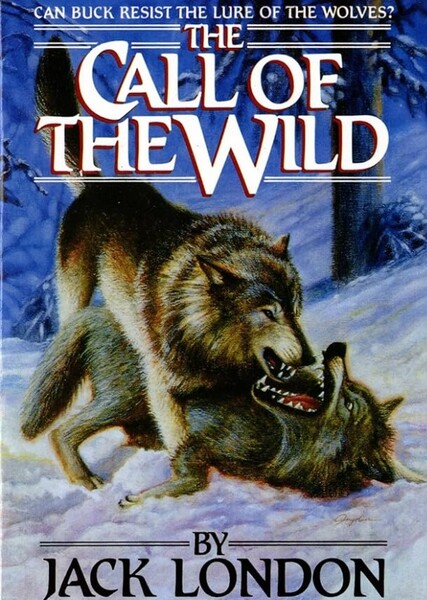
The Call of the Wild is an adventure novel by Jack London, published in 1903 and set in Yukon, Canada, during the 1890s Klondike Gold Rush, when strong sled dogs were in high demand. The central character of the novel is a dog named Buck. The story opens at a ranch in Santa Clara Valley, California, when Buck is stolen from his home and sold into service as a sled dog in Alaska. He becomes progressively more primitive and wild in the harsh environment, where he is forced to fight to survive and dominate other dogs. By the end, he sheds the veneer of civilization, and relies on primordial instinct and learned experience to emerge as a leader in the wild. London spent about a year in Yukon, and his observations form much of the material for the book. The story was serialized in The Saturday Evening Post in the summer of 1903 and was published later that year in book form. The book's great popularity and success made a reputation for London. As early as 1923, the story was adapted to film, and it has since seen several more cinematic adaptations. One of the most notable adaptations was the 1935 film, starring Clark Gable and Loretta Young, as well as Frank Conroy and Jack Oakie. Considerable liberties were taken with the story line.
The Call of the Wild (novel)

Fiction
for Fiction in The Pantheon of Saint Bernard Dogs
Suggested by benpopplewell
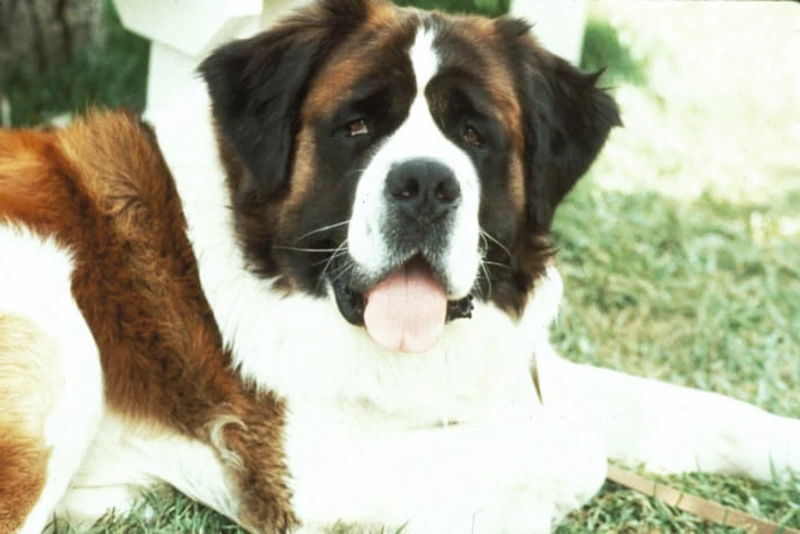
Saint Bernards are celebrated worldwide as majestic heroes and gentle giants. Originally bred for Alpine rescue, they bridged centuries of Swiss history with pop-culture roles, inspiring generations with famous fictional canines such as Beethoven, the lovable, slobbery star of the John Hughes comedy franchise, Beethoven, proved the breed's worth as a brilliant (if messy) household companion. Nana, the bonnet-wearing nursemaid from Peter Pan perfectly embodies the breed's natural "nanny dog" instincts and deep devotion to children including Wendy. Lady, a massive Saint Bernard belonging to the Master Assassin Evie Frye, acted as a steadfast guardian for the Brotherhood on the eve of Queen Victoria’s Diamond Jubilee in the summer of 1897, Lady patrolled the streets after dusk to protect allies like Clara O'Dea. That night, Lady and the Assassins successfully defended London from the Templar-backed Blighters, who had attempted to dismantle the Jubilee. Through these actions, Lady secured her status as a celebrated canine hero of late Victorian and early Edwardian London. Today, they remain beloved household companions, known for their calm and patient nature around children and families.


