Age: 73
female
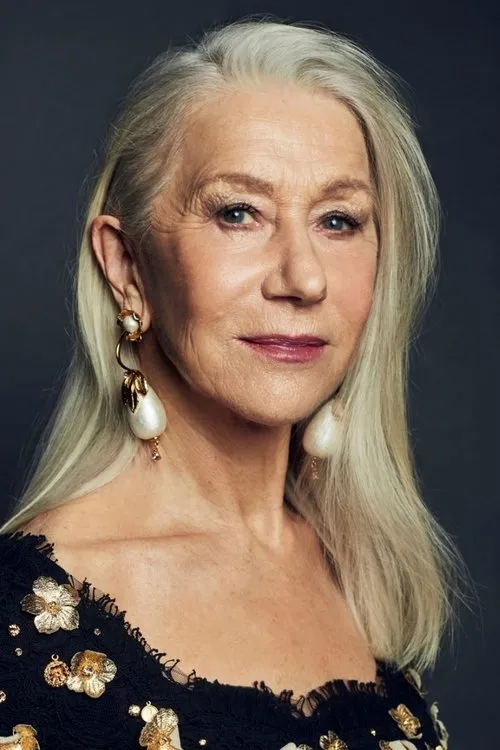
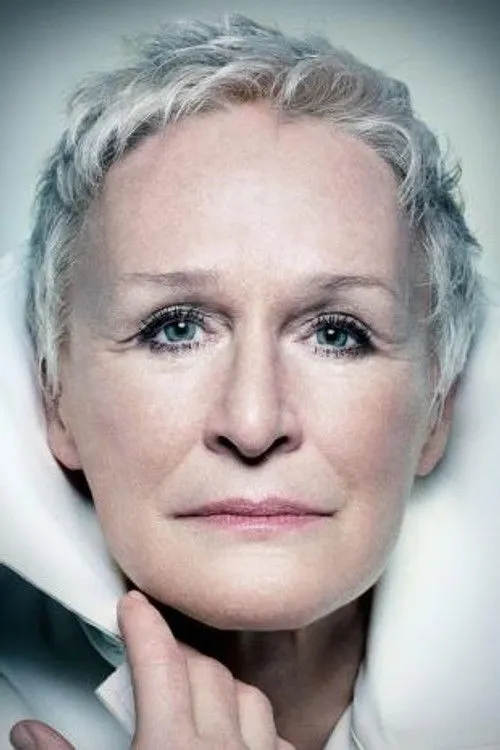
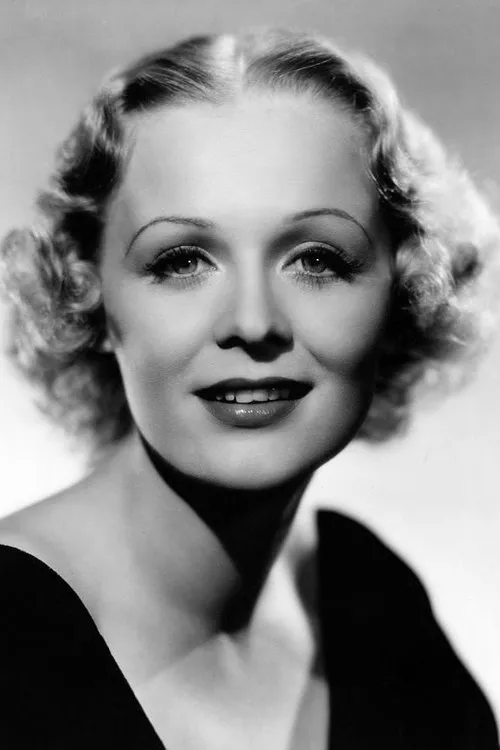
Amy Davis Irving (born September 10, 1953) is an American actress and singer, who worked in film, stage, and television. Her accolades include an Obie Award, two Golden Globe Award nominations, and one Academy Award nomination. Born in Palo Alto, California, to actors Jules Irving and Priscilla Pointer, Irving spent her early life in San Francisco before her family relocated to New York City during her teenage years. In New York, she made her Broadway debut in The Country Wife (1965–1966) at age 13. Irving subsequently studied theater at San Francisco's American Conservatory Theater and at the London Academy of Music and Dramatic Art before making her feature film debut in Brian De Palma's Carrie (1976), followed by a lead role in the 1978 supernatural thriller The Fury (1978). In 1980, Irving appeared in a Broadway production of Amadeus before being cast in Yentl (1983), for which she was nominated for an Academy Award for Best Supporting Actress. In 1988, she received an Obie Award for her Off-Broadway performance in a production of The Road to Mecca, and was nominated for a Golden Globe Award for her performance in the comedy Crossing Delancey (1988). Irving went on to appear in the original Broadway production of Broken Glass (1994) and the revival of Three Sisters (1997). In film, she starred in the ensemble comedy Deconstructing Harry (1997), and reprised her role in The Rage: Carrie 2 (1999) before co-starring opposite Michael Douglas in Steven Soderbergh's crime-drama Traffic (2000). She subsequently appeared in the independent films Thirteen Conversations About One Thing (2001) and Adam (2009). From 2006 to 2007, she starred in the Broadway production of The Coast of Utopia. In 2018, she reunited with Soderbergh, appearing in a supporting role in his horror film Unsane.
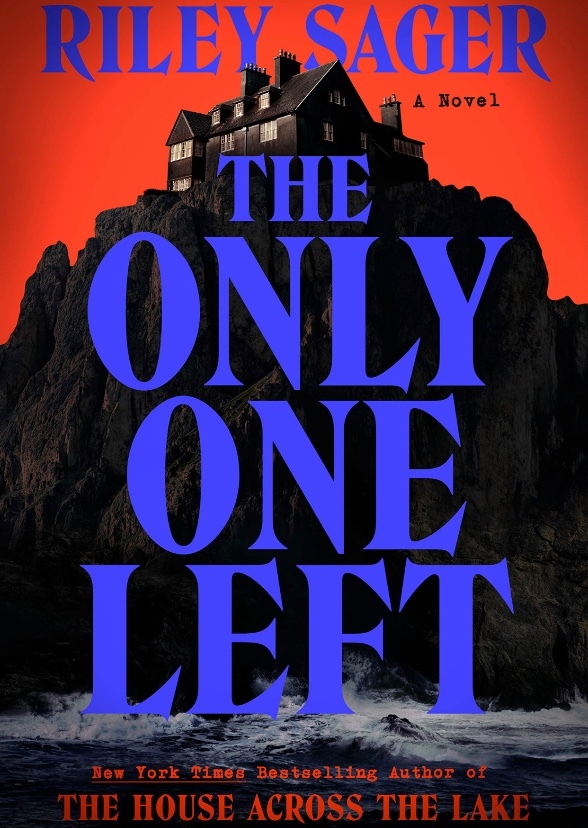
At seventeen, Lenora Hope Hung her sister with a rope Now reduced to a schoolyard chant, the Hope family murders shocked the Maine coast one bloody night in 1929. While most people assume seventeen-year-old Lenora was responsible, the police were never able to prove it. Other than her denial after the killings, she has never spoken publicly about that night, nor has she set foot outside Hope’s End, the cliffside mansion where the massacre occurred. Stabbed her father with a knife Took her mother’s happy life It’s now 1983, and home-health aide Kit McDeere arrives at a decaying Hope’s End to care for Lenora after her previous nurse fled in the middle of the night. In her seventies and confined to a wheelchair, Lenora was rendered mute by a series of strokes and can only communicate with Kit by tapping out sentences on an old typewriter. One night, Lenora uses it to make a tantalizing offer—I want to tell you everything. “It wasn’t me,” Lenora said But she’s the only one not dead As Kit helps Lenora write about the events leading to the Hope family massacre, it becomes clear there’s more to the tale than people know. But when new details about her predecessor’s departure come to light, Kit starts to suspect Lenora might not be telling the complete truth—and that the seemingly harmless woman in her care could be far more dangerous than she first thought.