Died at 79
male
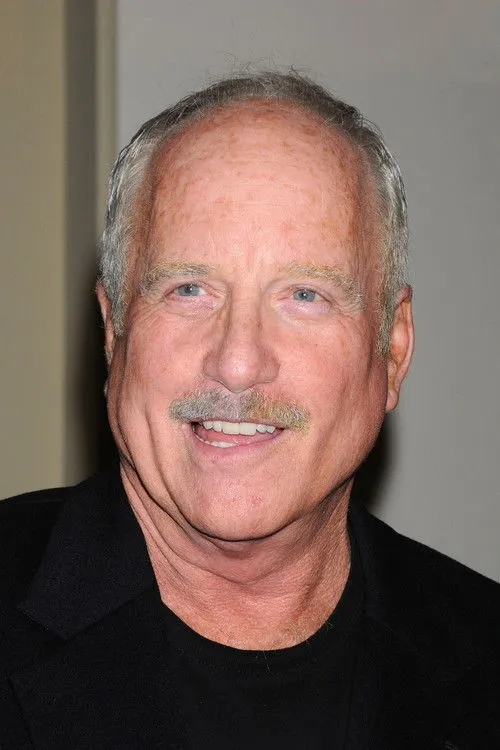
Sir Nigel John Dermot "Sam" Neill (14 September 1947 - 13 July 2026) was a Northern Irish-born New Zealand actor. His career has included leading roles in both dramas and blockbusters. Considered an "international leading man", he is regarded as one of the most versatile actors of his generation. Born in Northern Ireland to an English mother and New Zealand father, Neill moved to Christchurch with his family in 1954. He first achieved recognition with his appearance in the film Sleeping Dogs (1977), which he followed with leading roles in My Brilliant Career (1979), Omen III: The Final Conflict, Possession (both 1981), Evil Angels (also known as A Cry in the Dark) (1988), Dead Calm (1989), The Hunt For Red October (1990), The Piano (1993), and In the Mouth of Madness (1994). He came to international prominence as Dr. Alan Grant in Jurassic Park (1993), reprising the role in Jurassic Park III (2001) and Jurassic World Dominion (2022). Outside of film, Neill has appeared in numerous television series in guest and recurring roles, including Reilly, Ace of Spies (1983), The Simpsons (1994), The Tudors (2007), Crusoe (2008–2010), Happy Town (2010), Alcatraz (2012), and Rick and Morty (2019). He also starred as the titular character Merlin in Merlin (1998) and Merlin's Apprentice (2006) and as Major Chester Campbell in the first two series of Peaky Blinders (2013–2014). He has presented and narrated several documentaries. Neill receives the AACTA Award for Best Actor in a Leading Role, the Longford Lyell Award, the New Zealand Film Award, and the Logie Award for Most Outstanding Actor. He also has three Golden Globe and two Primetime Emmy Award nominations. He won the Silver Logie for Most Popular Actor at the 2023 Logies. Description above from the Wikipedia article Sam Neill, licensed under CC-BY-SA, full list of contributors on Wikipedia.
Sam Neill

Detective Vick
for Detective Vick in The Only One Left
Suggested by devahutiraichaliha
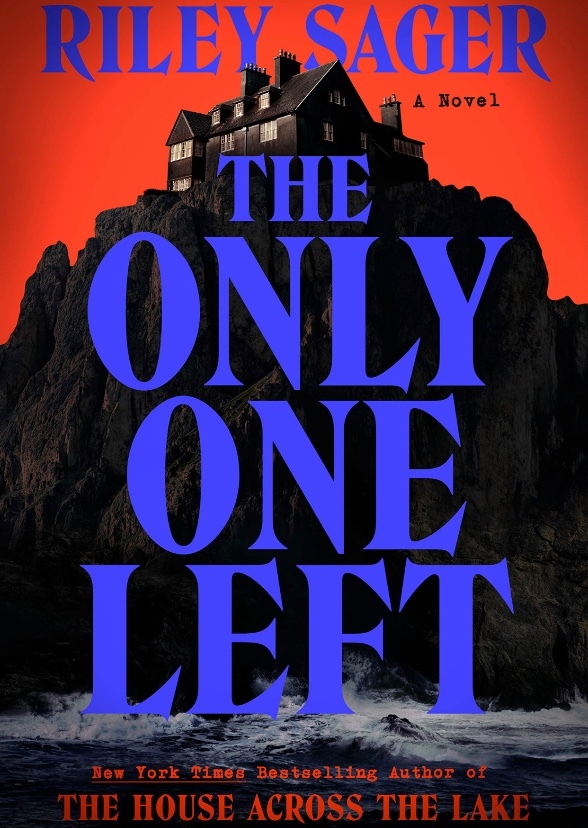
At seventeen, Lenora Hope Hung her sister with a rope Now reduced to a schoolyard chant, the Hope family murders shocked the Maine coast one bloody night in 1929. While most people assume seventeen-year-old Lenora was responsible, the police were never able to prove it. Other than her denial after the killings, she has never spoken publicly about that night, nor has she set foot outside Hope’s End, the cliffside mansion where the massacre occurred. Stabbed her father with a knife Took her mother’s happy life It’s now 1983, and home-health aide Kit McDeere arrives at a decaying Hope’s End to care for Lenora after her previous nurse fled in the middle of the night. In her seventies and confined to a wheelchair, Lenora was rendered mute by a series of strokes and can only communicate with Kit by tapping out sentences on an old typewriter. One night, Lenora uses it to make a tantalizing offer—I want to tell you everything. “It wasn’t me,” Lenora said But she’s the only one not dead As Kit helps Lenora write about the events leading to the Hope family massacre, it becomes clear there’s more to the tale than people know. But when new details about her predecessor’s departure come to light, Kit starts to suspect Lenora might not be telling the complete truth—and that the seemingly harmless woman in her care could be far more dangerous than she first thought.