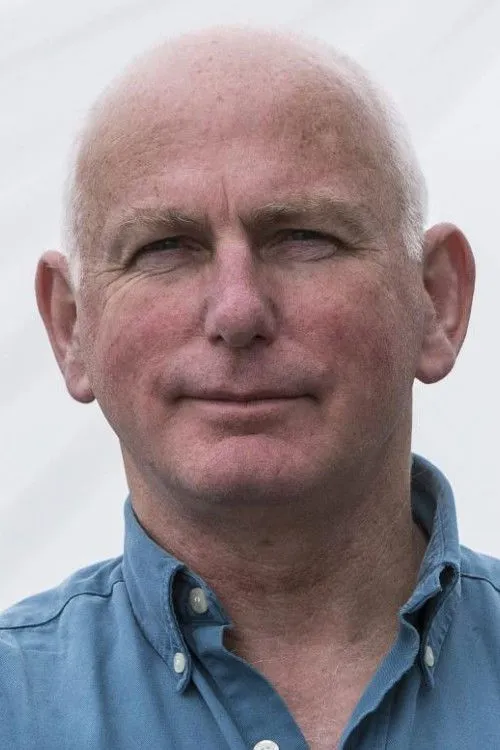
Age: 65
male
Stanley Tucci Jr. (born November 11, 1960) is an American actor. Known as a character actor, he has played a wide variety of roles ranging from menacing to sophisticated. Tucci has earned numerous accolades, including six Emmy Awards, two Golden Globe Awards, and nominations for an Academy Award, a BAFTA Award, and a Tony Award. Tucci made his film debut in John Huston's Prizzi's Honour (1985) and continued to play a variety of supporting roles in films such as Deconstructing Harry (1997), Road to Perdition (2002), and The Terminal (2004). He made his directorial debut with the comedy Big Night (1996), which he also co-wrote and starred in. Following roles in The Devil Wears Prada (2006) and Julie & Julia (2009), Tucci was nominated for the Academy Award for Best Supporting Actor for The Lovely Bones (2009). Tucci's other film roles include Burlesque (2010), Easy A (2010), Captain America: The First Avenger (2011), Margin Call (2011), The Hunger Games film series (2012–2015), Spotlight (2015), Supernova (2020), Worth (2021), and Conclave (2024). He has starred in numerous television series such as the legal drama Murder One (1995–1997), the medical drama 3 lbs (2006), Ryan Murphy's limited series Feud: Bette & Joan (2017), and the drama Limetown (2018). He played Stanley Kubrick in the HBO film The Life and Death of Peter Sellers (2004). For his portrayal of Walter Winchell in the HBO film Winchell (1998), he received the Primetime Emmy Award for Outstanding Lead Actor in a Miniseries or Movie. Since 2020, Tucci has voiced Bitsy Brandenham in the Apple TV+ animated series Central Park. From 2021 to 2022, he hosted the CNN food and travel documentary series Stanley Tucci: Searching for Italy, for which he won two consecutive Primetime Emmy Awards for Outstanding Hosted Nonfiction Series. He was nominated for a Tony Award for Best Actor in a Play for his role in Frankie and Johnny in the Clair de Lune (2003) and a Grammy Award for narrating the audiobook The One and Only Shrek! (2008).
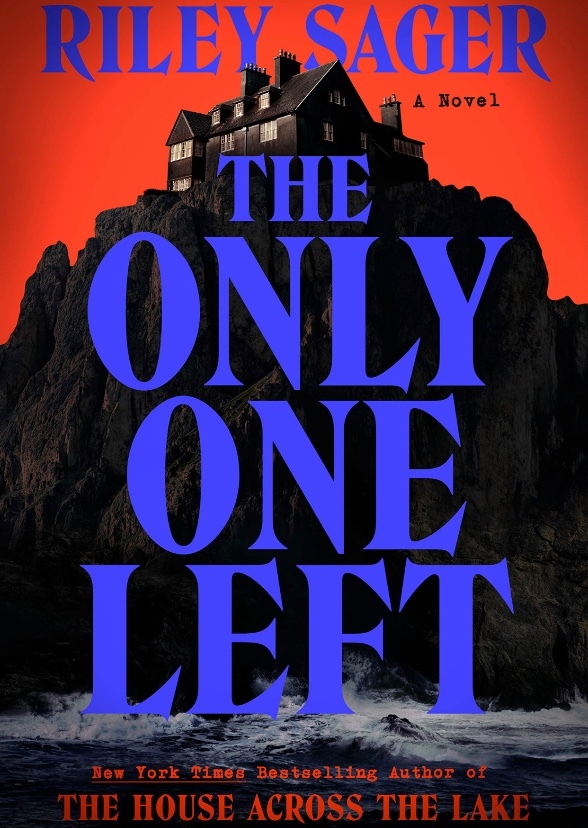
At seventeen, Lenora Hope Hung her sister with a rope Now reduced to a schoolyard chant, the Hope family murders shocked the Maine coast one bloody night in 1929. While most people assume seventeen-year-old Lenora was responsible, the police were never able to prove it. Other than her denial after the killings, she has never spoken publicly about that night, nor has she set foot outside Hope’s End, the cliffside mansion where the massacre occurred. Stabbed her father with a knife Took her mother’s happy life It’s now 1983, and home-health aide Kit McDeere arrives at a decaying Hope’s End to care for Lenora after her previous nurse fled in the middle of the night. In her seventies and confined to a wheelchair, Lenora was rendered mute by a series of strokes and can only communicate with Kit by tapping out sentences on an old typewriter. One night, Lenora uses it to make a tantalizing offer—I want to tell you everything. “It wasn’t me,” Lenora said But she’s the only one not dead As Kit helps Lenora write about the events leading to the Hope family massacre, it becomes clear there’s more to the tale than people know. But when new details about her predecessor’s departure come to light, Kit starts to suspect Lenora might not be telling the complete truth—and that the seemingly harmless woman in her care could be far more dangerous than she first thought.