
Age: 16
male
Owen Patrick Cooper was born on December 5, 2009, in Warrington, England. The third son of a nanny mother and an IT father, Owen wanted to be a footballer. However, after seeing Tom Holland's performance in the film “The Impossible,” he decided to pursue acting. A big fan of Tom Holland, Cooper began taking drama lessons. Stephen Graham, co-producer of the murder-themed series, was looking for an unknown British face for this role. Selected from over 500 auditions, Cooper's first project was filmed between July and October 2024. The series, which aired in March 2025, made a splash worldwide. Renowned critic Evening Standard wrote, “This performance is the best debut performance by a child actor to date.” With his series, which aired in early 2025, he won an Emmy Award at the end of 2025, earning him the title of “Youngest Person to Win an Emmy Award in History.” Almost immediately after, Cooper also won the Golden Globe Award for Best Supporting Actor, becoming world-famous with two major awards before reaching adulthood. Lacking the high ego often found in his peers, Cooper responded to reporters' questions at the awards ceremony, “What will you do after the ceremony?” with, “I'll go to school after I sleep.” Following Adolescence, Cooper appeared in supporting roles in the Film Club series, Whispering Hills, and Cry to Heaven. He also featured in a music video released in 2025 and has won a total of 11 awards, including an Emmy and a Golden Globe.
Owen Cooper

Thomas Tandry
for Thomas Tandry in The Museum Mysteries
Suggested by devahutiraichaliha
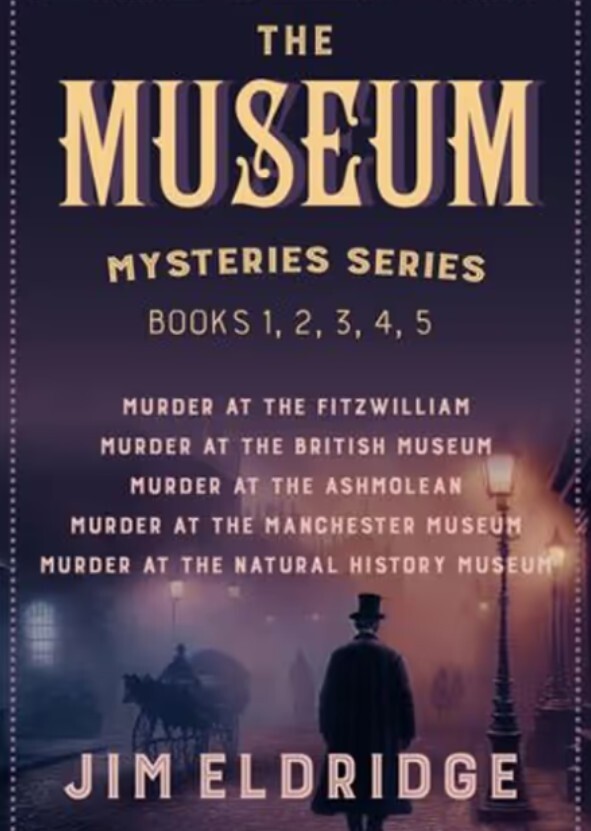
Jim Eldridge’s Museum (Murder) Mysteries is an historical crime-fiction series set in late-Victorian London, featuring Daniel Wilson, a former detective from the Metropolitan Police, and his partner, archaeologist Abigail Fenton. Each novel centres on a murder tied to a famous British museum or institution—such as the British Museum, the Natural History Museum, or the National Gallery—where the pair are called in as private inquiry agents to solve crimes that baffle the authorities. The series blends classic whodunnit structure with richly researched historical settings, highlighting scientific rivalries, class tensions, and the early professionalisation of museum culture. Across the series, the cases often expose the hidden politics of Victorian scholarship, including disputes over archaeological finds, forgeries, colonial acquisitions, and the ambitions of curators eager to protect their reputations. Wilson brings methodical investigative skills and quiet moral conviction, while Fenton offers academic expertise, courage, and a knack for noticing overlooked details—making them equal partners in unpicking the murders. Their developing relationship threads through the books, adding warmth and emotional continuity amid the atmosphere of intrigue.

