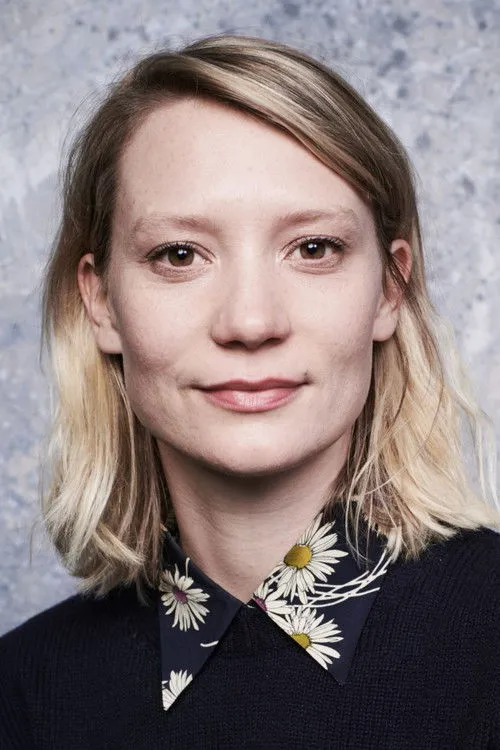
Age: 36
female
Mia Wasikowska (/ˌvʌʃɪˈkɒfskə/ VUSH-i-KOF-skə; born 25 October 1989) is an Australian actress. She made her screen debut on the Australian television drama All Saints in 2004, followed by her feature film debut in Suburban Mayhem (2006). She became known to a wider audience following her critically acclaimed work on the HBO television series In Treatment (2008). She was nominated for the Independent Spirit Award for Best Supporting Female for the film That Evening Sun (2009). Wasikowska gained worldwide recognition in 2010 after starring as Alice in Tim Burton's Alice in Wonderland and appearing in the comedy-drama film The Kids Are All Right. She starred in Cary Fukunaga's Jane Eyre (2011), Gus Van Sant's Restless (2011), Park Chan-wook's Stoker (2013), Jim Jarmusch's Only Lovers Left Alive (2013), John Curran's Tracks (2013), Richard Ayoade's The Double (2013), David Cronenberg's Maps to the Stars (2014), and Guillermo del Toro's Crimson Peak (2015). In 2016, she reprised her role as Alice in the film Alice Through the Looking Glass and has since appeared in several independent films, including Damsel (2018), Judy and Punch (2019), and Bergman Island (2021). Description above from the Wikipedia article Mia Wasikowska, licensed under CC-BY-SA, full list of contributors on Wikipedia.
Mia Wasikowska

Lily Wallace
for Lily Wallace in The Museum Mysteries
Suggested by devahutiraichaliha
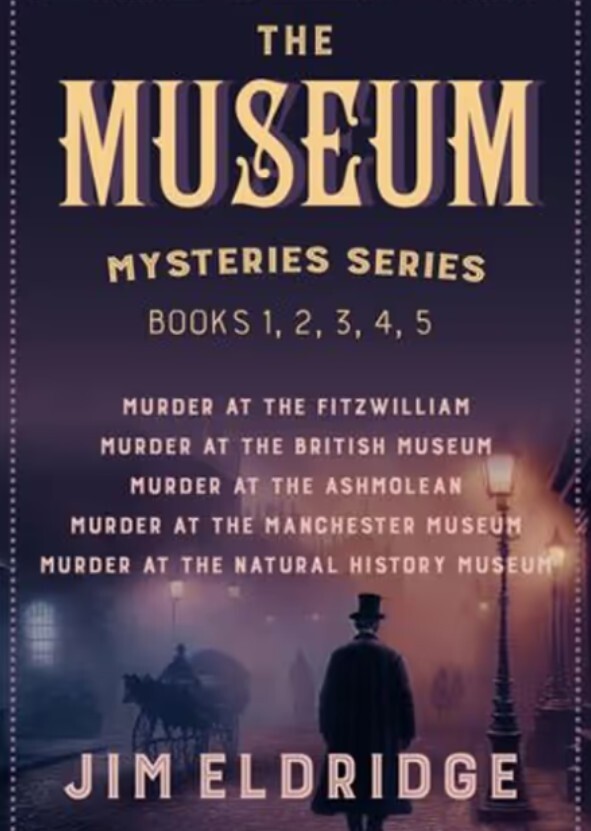
Jim Eldridge’s Museum (Murder) Mysteries is an historical crime-fiction series set in late-Victorian London, featuring Daniel Wilson, a former detective from the Metropolitan Police, and his partner, archaeologist Abigail Fenton. Each novel centres on a murder tied to a famous British museum or institution—such as the British Museum, the Natural History Museum, or the National Gallery—where the pair are called in as private inquiry agents to solve crimes that baffle the authorities. The series blends classic whodunnit structure with richly researched historical settings, highlighting scientific rivalries, class tensions, and the early professionalisation of museum culture. Across the series, the cases often expose the hidden politics of Victorian scholarship, including disputes over archaeological finds, forgeries, colonial acquisitions, and the ambitions of curators eager to protect their reputations. Wilson brings methodical investigative skills and quiet moral conviction, while Fenton offers academic expertise, courage, and a knack for noticing overlooked details—making them equal partners in unpicking the murders. Their developing relationship threads through the books, adding warmth and emotional continuity amid the atmosphere of intrigue.

