
Age: 74
female
Frances Fisher (born 11 May 1952) is a British-born American actress. She is best known for her roles as Strawberry Alice, the madame prostitute in Unforgiven (1992), directed by Clint Eastwood; and Ruth DeWitt Bukater, the mother of Kate Winslet's character in Titanic (1997); directed by James Cameron. Both films won the Academy Award for Best Picture. She is also known for her roles as Jane Crawford on the HBO series Watchmen, Mary Windsor in The Lincoln Lawyer, Evelyn Nolan (John Nolan's mother) on CBS's The Rookie, Barbara Schoenberg in Woman in Gold, Gwen in You're Not You, Lucille Langston on ABC's scifi drama Resurrection, Maggie Stryder in The Host (2013), Nicole Farmington on ABC's scifi drama Touch, Blanche Tipton on CBS's A Gifted Man, Elaine Flowers in The Kingdom (2007), The Mother on BBC's Torchwood, Eva Thorne on Syfy's Eureka, Connie Walsh in House of Sand and Fog, Sara Miller in Laws of Attraction, Junie in Gone in 60 Seconds, Donna Garcia in Striptease, Angie in FOX's Strange Luck, June in L.A. Story, and Rochelle Bossetti in Welcome Home, Roxy Carmichael.
Frances Fisher

Laura Pickering
for Laura Pickering in The Museum Mysteries
Suggested by devahutiraichaliha
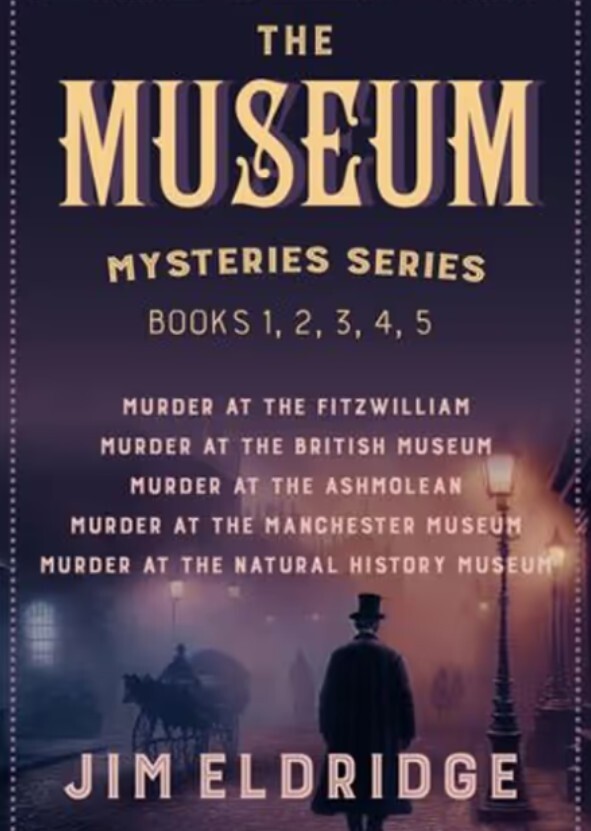
Jim Eldridge’s Museum (Murder) Mysteries is an historical crime-fiction series set in late-Victorian London, featuring Daniel Wilson, a former detective from the Metropolitan Police, and his partner, archaeologist Abigail Fenton. Each novel centres on a murder tied to a famous British museum or institution—such as the British Museum, the Natural History Museum, or the National Gallery—where the pair are called in as private inquiry agents to solve crimes that baffle the authorities. The series blends classic whodunnit structure with richly researched historical settings, highlighting scientific rivalries, class tensions, and the early professionalisation of museum culture. Across the series, the cases often expose the hidden politics of Victorian scholarship, including disputes over archaeological finds, forgeries, colonial acquisitions, and the ambitions of curators eager to protect their reputations. Wilson brings methodical investigative skills and quiet moral conviction, while Fenton offers academic expertise, courage, and a knack for noticing overlooked details—making them equal partners in unpicking the murders. Their developing relationship threads through the books, adding warmth and emotional continuity amid the atmosphere of intrigue.

