
Died at 94
male
Peter Seamus O'Toole (August 2, 1932 – December 14, 2013) was a British-Irish actor. He attended the Royal Academy of Dramatic Art and began working in the theatre, gaining recognition as a Shakespearean actor at the Bristol Old Vic and with the English Stage Company. In 1959 he made his West End debut in The Long and the Short and the Tall, and played the title role in Hamlet in the National Theatre's first production in 1963. Excelling on the London stage, O'Toole was known for his "hellraiser" lifestyle off it. Making his film debut in 1959, O'Toole achieved international recognition playing T. E. Lawrence in Lawrence of Arabia (1962) for which he received his first nomination for the Academy Award for Best Actor. He was nominated for this award another seven times – for playing King Henry II in both Becket (1964) and The Lion in Winter (1968), Goodbye, Mr. Chips (1969), The Ruling Class (1972), The Stunt Man (1980), My Favorite Year (1982), and Venus (2006) – and holds the record for the most Oscar nominations for acting without a win (tied with Glenn Close). In 2002, he was awarded the Academy Honorary Award for his career achievements. O'Toole was the recipient of four Golden Globe Awards, one BAFTA Award for Best British Actor and one Primetime Emmy Award. Other performances include What's New Pussycat? (1965), How to Steal a Million (1966), Supergirl (1984), and minor roles in The Last Emperor (1987) and Troy (2004). He also voiced Anton Ego, the restaurant critic in Pixar's Ratatouille (2007).
Peter O'Toole

Father O'Brien
for Father O'Brien in The Museum Mysteries
Suggested by devahutiraichaliha
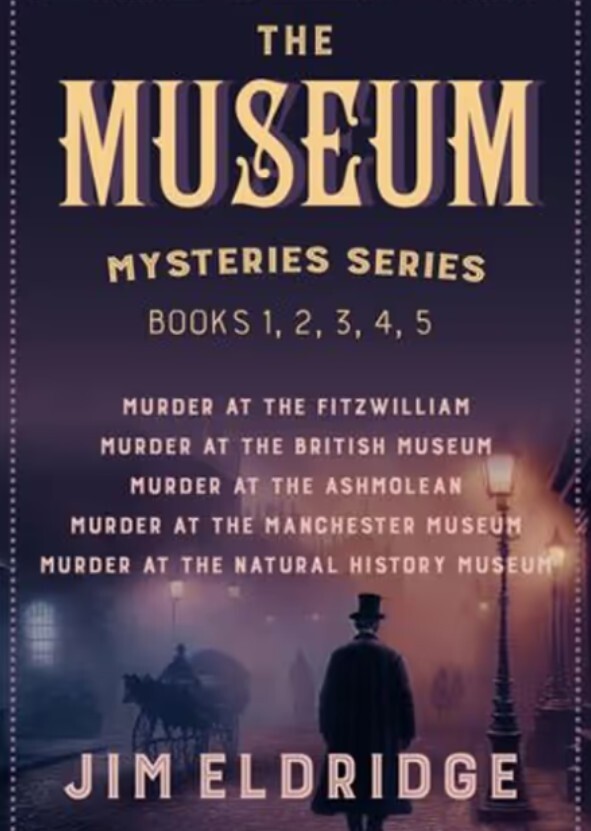
Jim Eldridge’s Museum (Murder) Mysteries is an historical crime-fiction series set in late-Victorian London, featuring Daniel Wilson, a former detective from the Metropolitan Police, and his partner, archaeologist Abigail Fenton. Each novel centres on a murder tied to a famous British museum or institution—such as the British Museum, the Natural History Museum, or the National Gallery—where the pair are called in as private inquiry agents to solve crimes that baffle the authorities. The series blends classic whodunnit structure with richly researched historical settings, highlighting scientific rivalries, class tensions, and the early professionalisation of museum culture. Across the series, the cases often expose the hidden politics of Victorian scholarship, including disputes over archaeological finds, forgeries, colonial acquisitions, and the ambitions of curators eager to protect their reputations. Wilson brings methodical investigative skills and quiet moral conviction, while Fenton offers academic expertise, courage, and a knack for noticing overlooked details—making them equal partners in unpicking the murders. Their developing relationship threads through the books, adding warmth and emotional continuity amid the atmosphere of intrigue.

