
Age: 40
female
Perdita Weeks (born 25 December 1985) is a Welsh actress. Perdita was born in South Glamorgan, educated at Roedean School and studied art history at the Courtauld Institute. She is the younger sister of Honeysuckle Weeks and the older sister of Rollo Weeks. She portrayed Mary Boleyn (King Henry VIII's sister-in-law) in the Showtime drama The Tudors (2007). In 2008 she appeared as Lydia Bennet in the ITV series Lost In Austen. She played a murdering teen in the Death and Dreams episode of Midsomer Murders in 2003. She has worked on productions such as Stig of the Dump (2002), Sherlock Holmes and the Case of the Silk Stocking(2004), and Miss Potter (2006) (but was cut from the latter) and played the role of Kitten (daughter of a rock star) in an episode of Lewis—"Counter Culture Blues" (2009). In 2007 she appeared in the radio comedy Bleak Expectations. In 2011 she appeared in the TV miniseries The Promise. She is the sister of actors Honeysuckle Weeks, to whom she bears a strong resemblance, and Rollo Weeks; she co-starred with the former in Goggle Eyes (1993) and Catherine Cookson's The Rag Nymph (1997), in which she played the younger version of her sister's character. She stars also in the 2010 Horror film Prowl.
Perdita Weeks

Esther Maris
for Esther Maris in The Museum Mysteries
Suggested by devahutiraichaliha
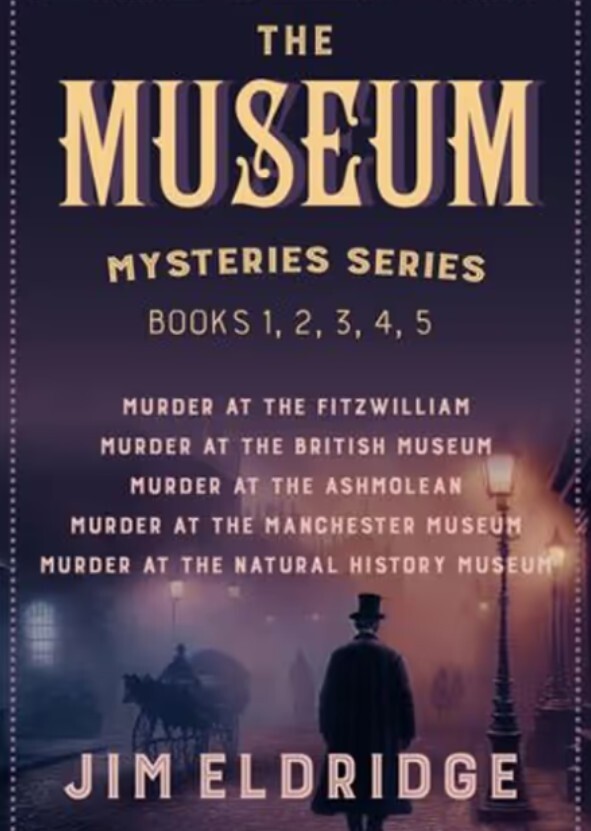
Jim Eldridge’s Museum (Murder) Mysteries is an historical crime-fiction series set in late-Victorian London, featuring Daniel Wilson, a former detective from the Metropolitan Police, and his partner, archaeologist Abigail Fenton. Each novel centres on a murder tied to a famous British museum or institution—such as the British Museum, the Natural History Museum, or the National Gallery—where the pair are called in as private inquiry agents to solve crimes that baffle the authorities. The series blends classic whodunnit structure with richly researched historical settings, highlighting scientific rivalries, class tensions, and the early professionalisation of museum culture. Across the series, the cases often expose the hidden politics of Victorian scholarship, including disputes over archaeological finds, forgeries, colonial acquisitions, and the ambitions of curators eager to protect their reputations. Wilson brings methodical investigative skills and quiet moral conviction, while Fenton offers academic expertise, courage, and a knack for noticing overlooked details—making them equal partners in unpicking the murders. Their developing relationship threads through the books, adding warmth and emotional continuity amid the atmosphere of intrigue.

