
Age: 38
female
Ana Celia de Armas Caso (Spanish pronunciation:[ˈana ˈselja ðe ˈaɾmas ˈkaso]; born 30 April 1988) is a Cuban, American and Spanish actress. She began her career in Cuba with a leading role in the romantic drama Una rosa de Francia (2006). At 18, she moved to Madrid, Spain, and starred in the popular drama El Internado (2007–2010). After moving to Los Angeles, de Armas had English-speaking roles in the psychological thriller Knock Knock (2015) and the comedy-crime film War Dogs (2016). De Armas rose to prominence for her roles as the holographic AI Joi in the science fiction film Blade Runner 2049 (2017) and nurse Marta Cabrera in the mystery film Knives Out (2019), receiving a Golden Globe Award nomination for Best Actress – Motion Picture Comedy or Musical. She then played Bond girl Paloma in the James Bond film No Time to Die (2021) and actress Marilyn Monroe in the biographical drama Blonde (2022), for which she became the first Cuban nominated for the Academy Award for Best Actress. She then led the action thriller Ballerina (2025), a spin-off instalment in the John Wick franchise. Description above from the Wikipedia article Ana de Armas, licensed under CC-BY-SA, full list of contributors on Wikipedia.
Ana de Armas

Ellen Terry
for Ellen Terry in The Museum Mysteries
Suggested by devahutiraichaliha
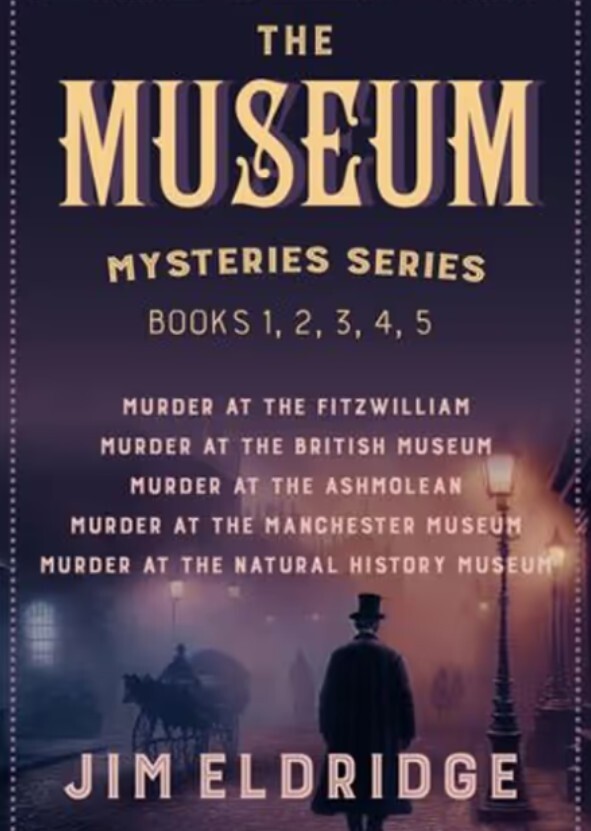
Jim Eldridge’s Museum (Murder) Mysteries is an historical crime-fiction series set in late-Victorian London, featuring Daniel Wilson, a former detective from the Metropolitan Police, and his partner, archaeologist Abigail Fenton. Each novel centres on a murder tied to a famous British museum or institution—such as the British Museum, the Natural History Museum, or the National Gallery—where the pair are called in as private inquiry agents to solve crimes that baffle the authorities. The series blends classic whodunnit structure with richly researched historical settings, highlighting scientific rivalries, class tensions, and the early professionalisation of museum culture. Across the series, the cases often expose the hidden politics of Victorian scholarship, including disputes over archaeological finds, forgeries, colonial acquisitions, and the ambitions of curators eager to protect their reputations. Wilson brings methodical investigative skills and quiet moral conviction, while Fenton offers academic expertise, courage, and a knack for noticing overlooked details—making them equal partners in unpicking the murders. Their developing relationship threads through the books, adding warmth and emotional continuity amid the atmosphere of intrigue.

