
Age: 49
female
Audrey Fleurot is a French actress, born July 6, 1977 in Mantes-la-Jolie in the Yvelines. She became known to the general public through the role of the Lady of the Lake in Kaamelott (2005-2009). It confirms with those of Josephine Karlsson in Engrenages (2005-2020) and Hortense Larcher in Un village français (2009-2017). At the same time, she broke into the cinema by playing in the hit film Intouchables (2011). Alternating first and secondary roles, she led a prolific career from then on and appeared in particular in The Flower of Age (2012), But who re-killed Pamela Rose? (2012), Pop Redemption (2013), The Real Life of Teachers (2013), The Queens of the Ring (2013), Fonzy (2013), The Brotherhood of Tears (2013), The Gazelles (2014), Beautiful as a Woman Another (2014), Under the Girls' Skirts (2014), The Canterville Ghost (2016), The Ideal (2016), etc. She did not neglect television, however, and she played, in particular, in the Netflix miniseries, Safe (2017) and Le Bazar de la Charité (2019) before experiencing major success with HPI (2021 and 2022) by holding a again the leading role.
Audrey Fleurot

Elaine Foret
for Elaine Foret in The Museum Mysteries
Suggested by devahutiraichaliha
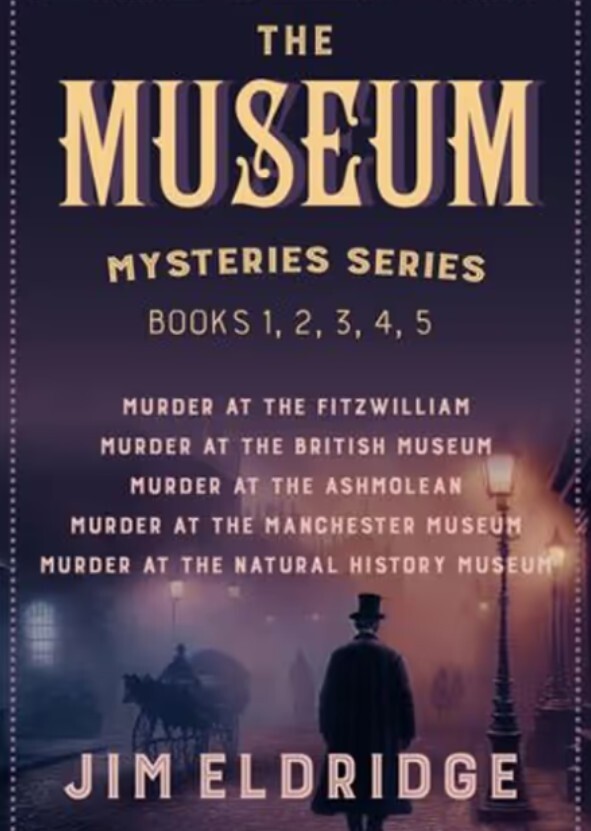
Jim Eldridge’s Museum (Murder) Mysteries is an historical crime-fiction series set in late-Victorian London, featuring Daniel Wilson, a former detective from the Metropolitan Police, and his partner, archaeologist Abigail Fenton. Each novel centres on a murder tied to a famous British museum or institution—such as the British Museum, the Natural History Museum, or the National Gallery—where the pair are called in as private inquiry agents to solve crimes that baffle the authorities. The series blends classic whodunnit structure with richly researched historical settings, highlighting scientific rivalries, class tensions, and the early professionalisation of museum culture. Across the series, the cases often expose the hidden politics of Victorian scholarship, including disputes over archaeological finds, forgeries, colonial acquisitions, and the ambitions of curators eager to protect their reputations. Wilson brings methodical investigative skills and quiet moral conviction, while Fenton offers academic expertise, courage, and a knack for noticing overlooked details—making them equal partners in unpicking the murders. Their developing relationship threads through the books, adding warmth and emotional continuity amid the atmosphere of intrigue.

