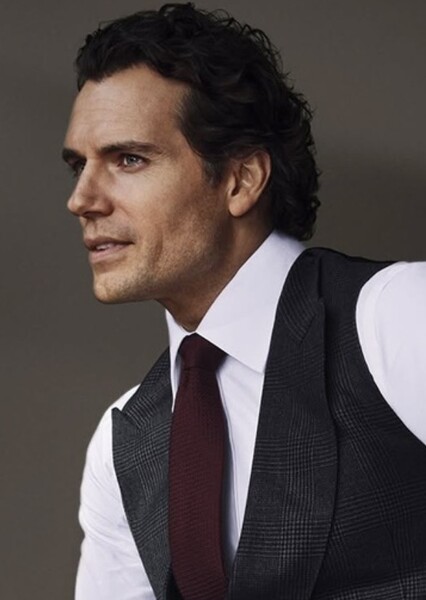
Age: 43
male
Henry William Dalgliesh Cavill (born May 5, 1983) is a British actor. He is known for his portrayal of Charles Brandon in Showtime's The Tudors (2007–2010), DC Comics character Superman in the DC Extended Universe, Geralt of Rivia in the Netflix fantasy series The Witcher (2019–present), as well as Sherlock Holmes in the Netflix film Enola Holmes (2020). Cavill began his career with roles in the feature adaptations of The Count of Monte Cristo (2002) and I Capture the Castle (2003). He later portrayed supporting roles in several television series, including BBC's The Inspector Lynley Mysteries, ITV's Midsomer Murders, and Showtime's The Tudors. He has since appeared in numerous major studio films, such as Tristan & Isolde (2006), Stardust (2007), Blood Creek (2009), Immortals (2011), The Cold Light of Day (2012), Sand Castle (2017) and Night Hunter (2018). Cavill gained international recognition with his role as Superman in the DC Extended Universe superhero films Man of Steel (2013), Batman v Superman: Dawn of Justice (2016) and Justice League (2017). He also starred in the action spy films The Man from U.N.C.L.E. (2015) and Mission: Impossible – Fallout (2018). Description above from the Wikipedia article Henry Cavill, licensed under CC-BY-SA, full list of contributors on Wikipedia.
Henry Cavill

Daniel Wilson
for Daniel Wilson in The Museum Mysteries
Suggested by devahutiraichaliha
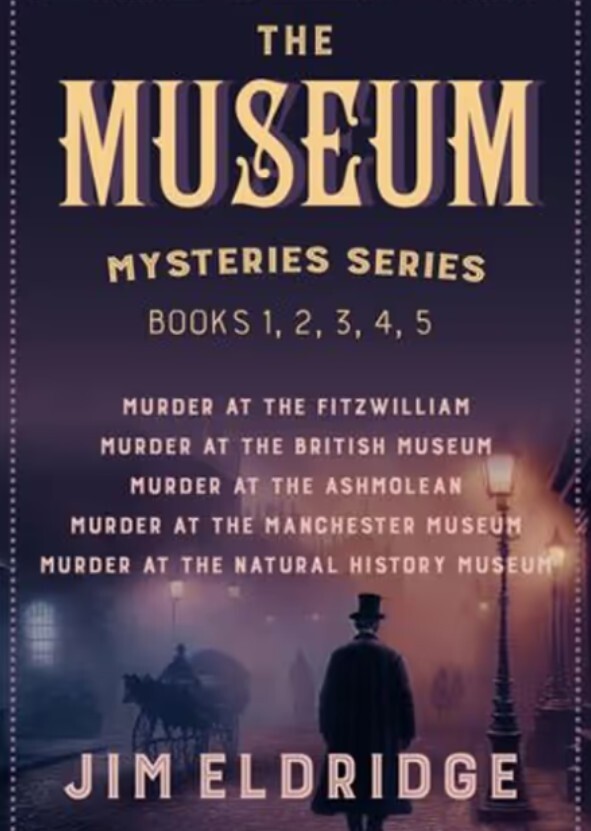
Jim Eldridge’s Museum (Murder) Mysteries is an historical crime-fiction series set in late-Victorian London, featuring Daniel Wilson, a former detective from the Metropolitan Police, and his partner, archaeologist Abigail Fenton. Each novel centres on a murder tied to a famous British museum or institution—such as the British Museum, the Natural History Museum, or the National Gallery—where the pair are called in as private inquiry agents to solve crimes that baffle the authorities. The series blends classic whodunnit structure with richly researched historical settings, highlighting scientific rivalries, class tensions, and the early professionalisation of museum culture. Across the series, the cases often expose the hidden politics of Victorian scholarship, including disputes over archaeological finds, forgeries, colonial acquisitions, and the ambitions of curators eager to protect their reputations. Wilson brings methodical investigative skills and quiet moral conviction, while Fenton offers academic expertise, courage, and a knack for noticing overlooked details—making them equal partners in unpicking the murders. Their developing relationship threads through the books, adding warmth and emotional continuity amid the atmosphere of intrigue.


