
Age: 67
male
Paul Michael Gross (born April 30, 1959) is a Canadian actor, producer, director, singer and writer born in Calgary, Alberta. He is known for his lead role as Constable Benton Fraser in the television series Due South as well as his 2008 war film Passchendaele, which he wrote, produced, directed, and starred in. During Due South's final season, Gross acted as executive producer in addition to starring, wrote the season three opener and finale, the two part series finale and wrote and sang for the show, some of which can be found on the two Due South soundtracks. He later found success with another Canadian TV series, Slings and Arrows. Gross studied acting at the University of Alberta in Edmonton, but he left during the third year of his study. He went back later to complete the half-credit needed to receive his fine arts degree. He appeared in several stage productions, such as Hamlet and Romeo and Juliet. Other productions in which he appeared include Observe the Sons of Ulster Marching Towards the Somme and As You Like It. After the play Successful Strangers, Gross starred in his first movie, Turning to Stone. Description above from the Wikipedia article Paul Gross, licensed under CC-BY-SA, full list of contributors on Wikipedia.
Paul Gross

Brian Otway
for Brian Otway in The Museum Mysteries
Suggested by devahutiraichaliha
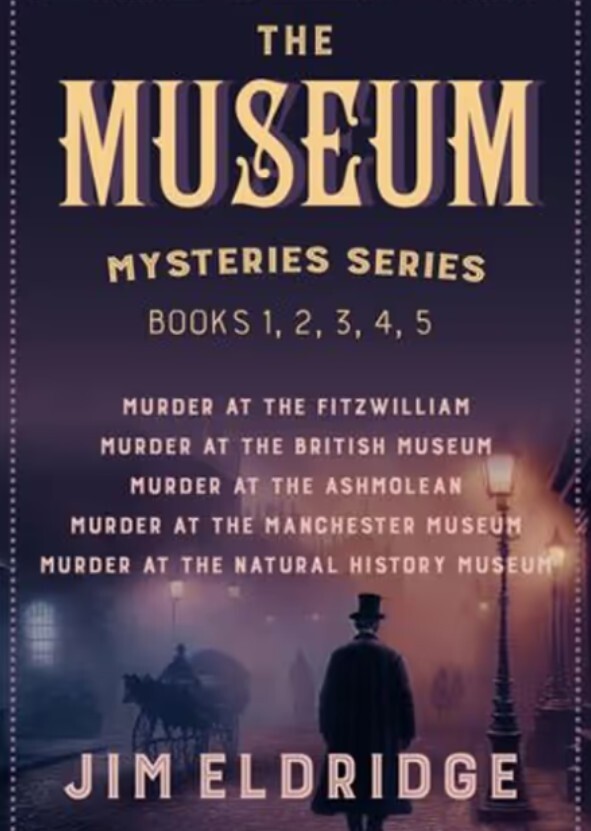
Jim Eldridge’s Museum (Murder) Mysteries is an historical crime-fiction series set in late-Victorian London, featuring Daniel Wilson, a former detective from the Metropolitan Police, and his partner, archaeologist Abigail Fenton. Each novel centres on a murder tied to a famous British museum or institution—such as the British Museum, the Natural History Museum, or the National Gallery—where the pair are called in as private inquiry agents to solve crimes that baffle the authorities. The series blends classic whodunnit structure with richly researched historical settings, highlighting scientific rivalries, class tensions, and the early professionalisation of museum culture. Across the series, the cases often expose the hidden politics of Victorian scholarship, including disputes over archaeological finds, forgeries, colonial acquisitions, and the ambitions of curators eager to protect their reputations. Wilson brings methodical investigative skills and quiet moral conviction, while Fenton offers academic expertise, courage, and a knack for noticing overlooked details—making them equal partners in unpicking the murders. Their developing relationship threads through the books, adding warmth and emotional continuity amid the atmosphere of intrigue.

