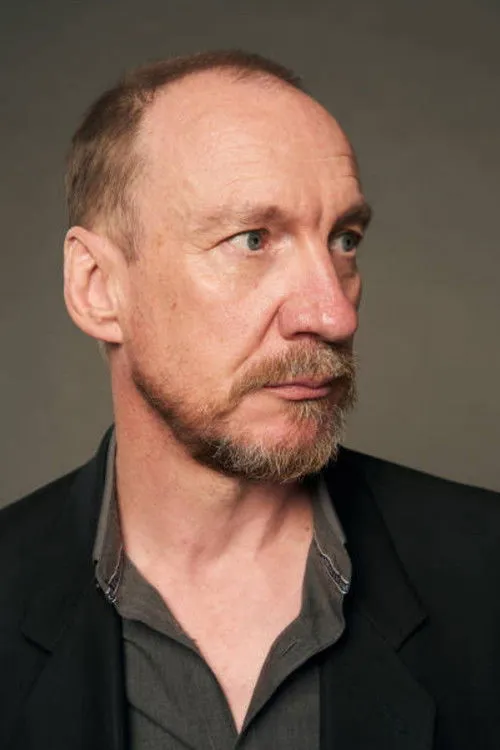
Age: 63
male
David Wheeler (born March 20, 1963), better known as David Thewlis, is an English actor and filmmaker. He is known as a character actor and has appeared in a wide variety of genres in both film and television. He has received the Cannes Film Festival Award for Best Actor and nominations for two BAFTA Awards, Golden Globe Award, Primetime Emmy Award and a Screen Actors Guild Award. Thewlis made his film debut in Little Dorrit (1987) and acted in the Mike Leigh films Life is Sweet (1990) and Naked (1993), winning the Cannes Film Festival Award for Best Actor for the latter. He then appeared in films such as Black Beauty (1994), Restoration (1995), James and the Giant Peach (1996), Dragonheart (1996), and Seven Years in Tibet (1997). He became more widely known to film audiences for his roles as Remus Lupin in the Harry Potter franchise (2004–2011) and Ares / Sir Patrick Morgan in Wonder Woman (2017). Other film roles include Kingdom of Heaven (2005), The Boy in the Striped Pyjamas (2008), War Horse (2011), The Theory of Everything (2014), Anomalisa (2015), I'm Thinking of Ending Things (2020), and Enola Holmes 2 (2022). Thewlis' most notable television roles include V. M. Varga in the third season of FX's Fargo (2017), the voice of the Shame Wizard in the Netflix animated sitcoms Big Mouth (2017–present) and Human Resources (2022–present), Christopher Edwards in the HBO miniseries Landscapers (2021), and John Dee in the Netflix drama series The Sandman (2022). His performance in Fargo earned him nominations for an Emmy, a Golden Globe, and a Critics' Choice Award.
David Thewlis

Bradley Pitt
for Bradley Pitt in The Museum Mysteries
Suggested by devahutiraichaliha
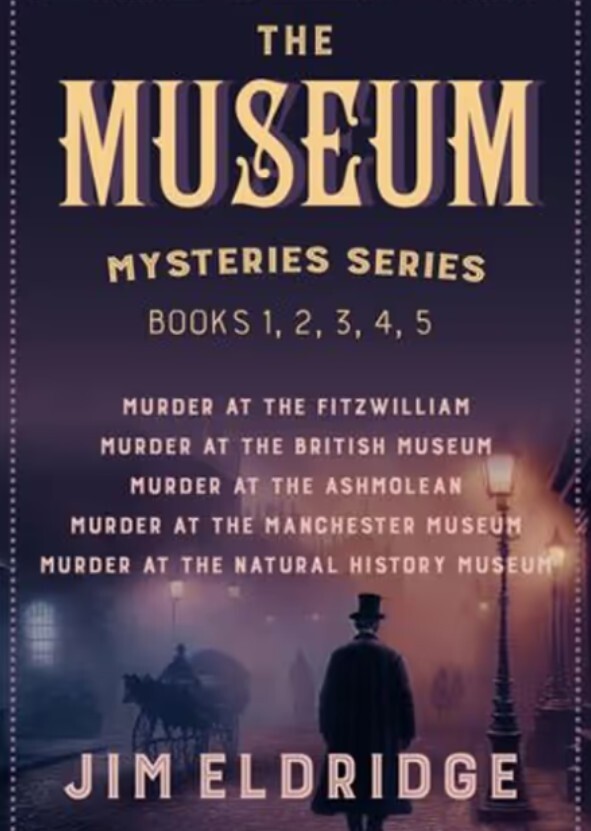
Jim Eldridge’s Museum (Murder) Mysteries is an historical crime-fiction series set in late-Victorian London, featuring Daniel Wilson, a former detective from the Metropolitan Police, and his partner, archaeologist Abigail Fenton. Each novel centres on a murder tied to a famous British museum or institution—such as the British Museum, the Natural History Museum, or the National Gallery—where the pair are called in as private inquiry agents to solve crimes that baffle the authorities. The series blends classic whodunnit structure with richly researched historical settings, highlighting scientific rivalries, class tensions, and the early professionalisation of museum culture. Across the series, the cases often expose the hidden politics of Victorian scholarship, including disputes over archaeological finds, forgeries, colonial acquisitions, and the ambitions of curators eager to protect their reputations. Wilson brings methodical investigative skills and quiet moral conviction, while Fenton offers academic expertise, courage, and a knack for noticing overlooked details—making them equal partners in unpicking the murders. Their developing relationship threads through the books, adding warmth and emotional continuity amid the atmosphere of intrigue.

