
Age: 30
female
Florence Pugh (/pjuː/ PEW; born 3 January 1996) is an English actress. After making her acting debut in the drama film The Falling (2014), Pugh gained praise for starring in the independent drama Lady Macbeth (2016) and the miniseries The Little Drummer Girl (2018). Her international breakthrough came in 2019 with her portrayals of professional wrestler Paige in the sports film Fighting with My Family, a despondent American woman in the horror film Midsommar, and Amy March in the period drama Little Women. For the last of these, she was nominated for the Academy Award for Best Supporting Actress. Pugh has played Yelena Belova in the Marvel Cinematic Universe, starring in the films Black Widow (2021) and Thunderbolts* (2025) and the Disney+ miniseries Hawkeye (2021). In her highest-grossing releases, she voiced Goldilocks in Puss in Boots: The Last Wish (2022) and portrayed Jean Tatlock in Oppenheimer (2023) and Princess Irulan in Dune: Part Two (2024). She also continued to gain praise for her performances in dramas such as We Live in Time (2024). Description above from the Wikipedia article Florence Pugh, licensed under CC-BY-SA, full list of contributors on Wikipedia.
Florence Pugh

Bella Fenton
for Bella Fenton in The Museum Mysteries
Suggested by devahutiraichaliha
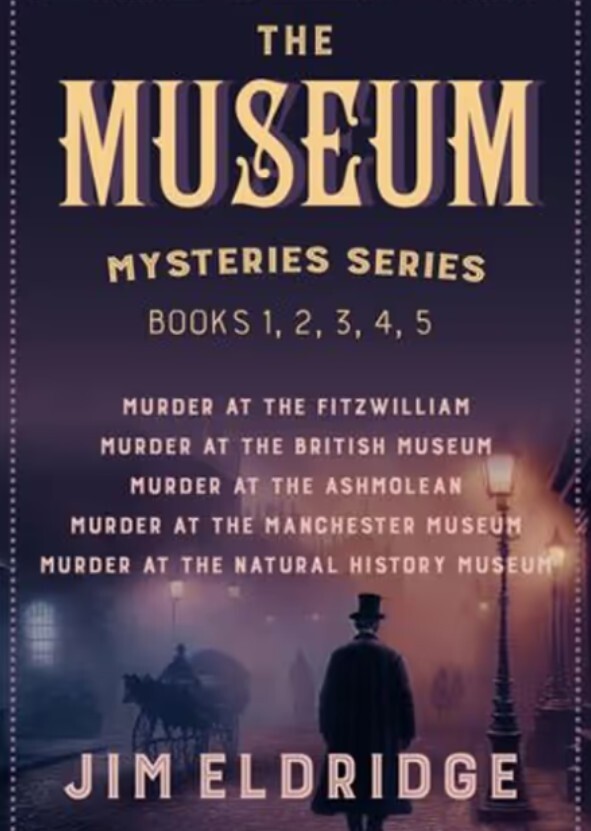
Jim Eldridge’s Museum (Murder) Mysteries is an historical crime-fiction series set in late-Victorian London, featuring Daniel Wilson, a former detective from the Metropolitan Police, and his partner, archaeologist Abigail Fenton. Each novel centres on a murder tied to a famous British museum or institution—such as the British Museum, the Natural History Museum, or the National Gallery—where the pair are called in as private inquiry agents to solve crimes that baffle the authorities. The series blends classic whodunnit structure with richly researched historical settings, highlighting scientific rivalries, class tensions, and the early professionalisation of museum culture. Across the series, the cases often expose the hidden politics of Victorian scholarship, including disputes over archaeological finds, forgeries, colonial acquisitions, and the ambitions of curators eager to protect their reputations. Wilson brings methodical investigative skills and quiet moral conviction, while Fenton offers academic expertise, courage, and a knack for noticing overlooked details—making them equal partners in unpicking the murders. Their developing relationship threads through the books, adding warmth and emotional continuity amid the atmosphere of intrigue.


