
Age: 50
male
Cillian Murphy (born May 25, 1976) is an Irish actor. He made his professional debut in Enda Walsh's 1996 play Disco Pigs, a role he later reprised in the 2001 screen adaptation. His early notable film credits include the horror film 28 Days Later (2002), the dark comedy Intermission (2003), the thriller Red Eye (2005), the Irish war drama The Wind That Shakes the Barley (2006), and the science fiction thriller Sunshine (2007). He played a transgender Irish woman in the comedy-drama Breakfast on Pluto (2005), which earned him a Golden Globe Award nomination. Murphy began collaborating with filmmaker Christopher Nolan in 2005, playing Dr. Jonathan Crane / Scarecrow in The Dark Knight Trilogy (2005–2012) as well as appearing in Inception (2010) and Dunkirk (2017) and portraying the lead role of J. Robert Oppenheimer in the biographical epic Oppenheimer (2023). By the year 2023, Murphy has already worked with Nolan for around 20 years and six films. He also gained prominence for his role as Tommy Shelby in the BBC period drama series Peaky Blinders (2013–2022) and for starring in the horror sequel A Quiet Place Part II (2020). In 2011, Murphy won the Irish Times Theatre Award for Best Actor and Drama Desk Award for Outstanding Solo Performance for the one-man play Misterman. In 2020, The Irish Times named him one of the greatest Irish film actors.
Cillian Murphy

Augustus Clare
for Augustus Clare in The Museum Mysteries
Suggested by devahutiraichaliha
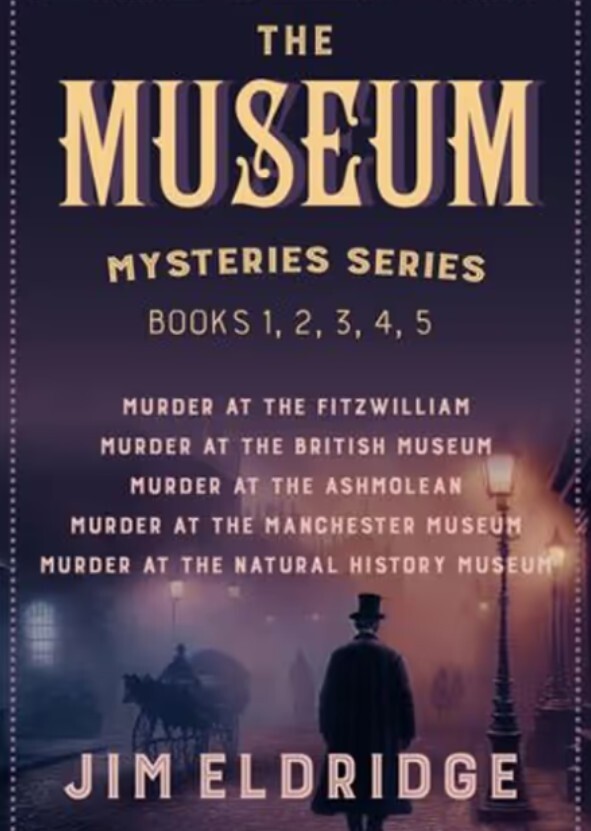
Jim Eldridge’s Museum (Murder) Mysteries is an historical crime-fiction series set in late-Victorian London, featuring Daniel Wilson, a former detective from the Metropolitan Police, and his partner, archaeologist Abigail Fenton. Each novel centres on a murder tied to a famous British museum or institution—such as the British Museum, the Natural History Museum, or the National Gallery—where the pair are called in as private inquiry agents to solve crimes that baffle the authorities. The series blends classic whodunnit structure with richly researched historical settings, highlighting scientific rivalries, class tensions, and the early professionalisation of museum culture. Across the series, the cases often expose the hidden politics of Victorian scholarship, including disputes over archaeological finds, forgeries, colonial acquisitions, and the ambitions of curators eager to protect their reputations. Wilson brings methodical investigative skills and quiet moral conviction, while Fenton offers academic expertise, courage, and a knack for noticing overlooked details—making them equal partners in unpicking the murders. Their developing relationship threads through the books, adding warmth and emotional continuity amid the atmosphere of intrigue.

