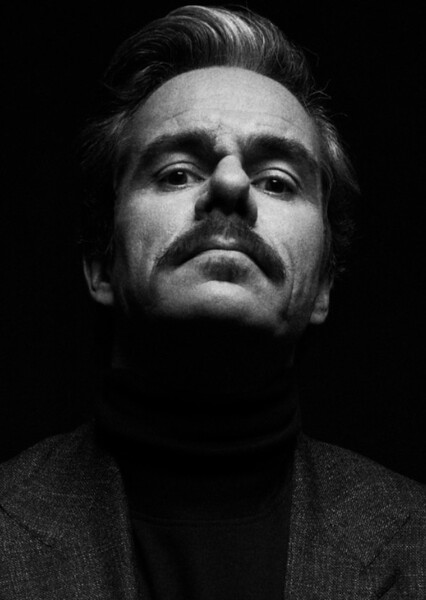
Age: 51
male
Álvaro Luis Bernat "Tony" Dalton (born February 13, 1975) is an American and Mexican actor. For much of his career, he has acted in Mexican films, television shows, and stage plays. He is best known in the United States for his portrayal of Lalo Salamanca in Better Call Saul (2018–2022). He also starred as Jack Duquesne in the 2021 Marvel Cinematic Universe miniseries Hawkeye. Álvaro Luis Bernat Dalton was born in Laredo, Texas, on February 13, 1975, the son of an American mother and a Mexican father. He attended the Eaglebrook School in Deerfield, Massachusetts, then studied acting at New York City's Lee Strasberg Theatre and Film Institute. Dalton's first major role was on the Mexican telenovela Rebelde (2004–2006). His first film role was in Matando Cabos (2004), which he also co-wrote. He later wrote and starred in Sultanes del Sur (2007). His other film credits include Violanchelo (2008) and The Perfect Dictatorship (2014). He also played a supporting role in the HBO Latin America series Capadocia (2008). He played the lead in the HBO series Sr. Ávila (2017), which won the International Emmy award for Best Non-English Language Series. Dalton portrayed Lalo Salamanca in Better Call Saul (2018–2022), first appearing in the season 4 episode "Coushatta." His performance received critical acclaim, earning him nominations for one Screen Actors Guild Award and two Saturn Awards, while some critics deemed Lalo one of the best villains on television. He was cast as Jack Duquesne in the miniseries Hawkeye (2021) after producer Trinh Tran was impressed with his performance in Better Call Saul. Description above from the Wikipedia article Tony Dalton, licensed under CC-BY-SA, full list of contributors on Wikipedia.
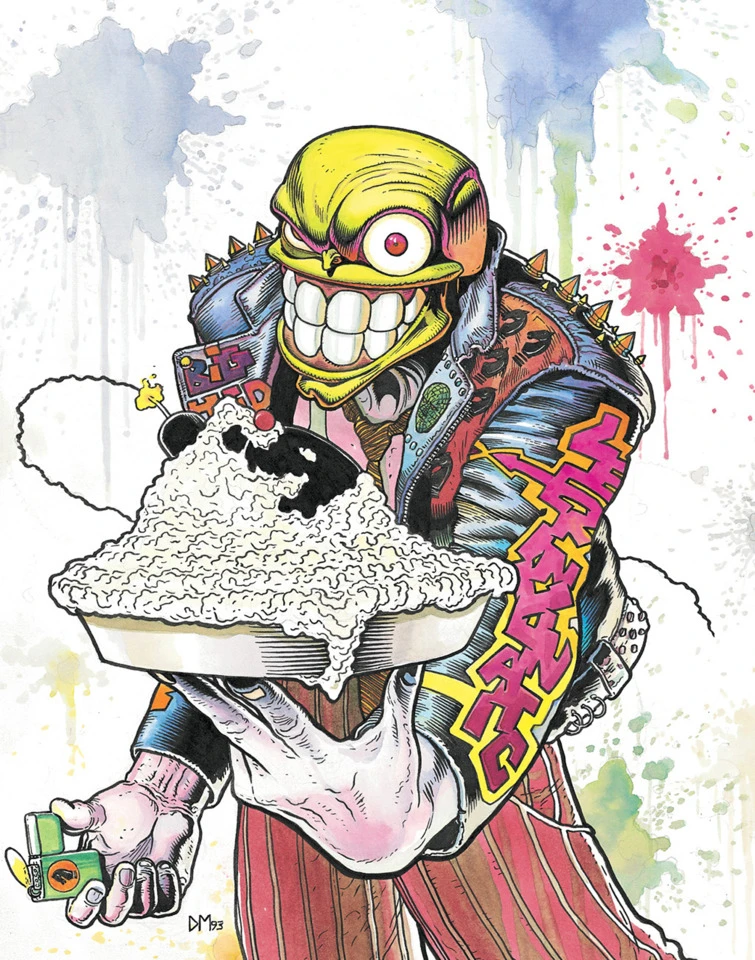
Taking place in Edge City, Stanley Ipkiss is a lonely, emotionally damaged man living in the shadows of a city that has forgotten him. Once an aspiring artist with dreams of becoming somebody important, Stanley now works a meaningless office job, struggles with isolation, and feels invisible to everyone around him. His only escape is creating imaginary versions of himself confident, charismatic, fearless versions of the man he wishes he could be. One night, while investigating an abandoned underground area beneath the city, Stanley discovers an ancient wooden mask hidden away for decades. Legends say the mask belonged to a forgotten trickster spirit, an object that does not grant wishes — it reveals the person hiding underneath. When Stanley puts on the mask, he becomes something completely different. A violent, theatrical, and terrifying persona emerges: “The Big Head.” At first, Stanley believes the Mask has finally given him everything he lacked — confidence, power, attention, and freedom. The world that ignored him suddenly fears him. Criminals, corrupt businessmen, and people who humiliated him become targets of his revenge. But the transformation begins to change more than his personality. His body starts to physically adapt to the Mask. His smile becomes unnatural. His movements become exaggerated. His reflection begins moving differently from him. The line between Stanley and the Big Head begins disappearing. The Mask is not a costume. It is an infection.


