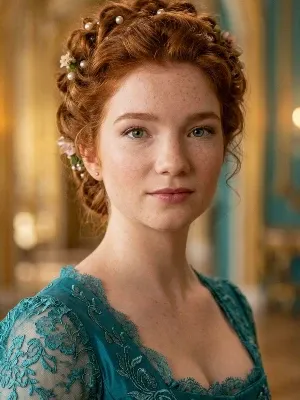
Age: 37
female
Lily Jane Collins (born 18 March 1989) is a British and American actress and model. Born in Guildford, Surrey and raised in Los Angeles, Collins began performing on screen at the age of two in the BBC sitcom Growing Pains. In the late 2000s, Collins began acting and modelling more regularly, and she had a career breakthrough with her performance in the sports-drama film The Blind Side, which was the third highest-grossing film of 2009. She went on to appear in leading roles across feature films such as the sci-fi action-horror Priest (2011), the psychological action-thriller Abduction (2011), the fantasy Mirror Mirror (2012), the urban fantasy The Mortal Instruments: City of Bones (2013), and the independent romantic comedies Stuck in Love (2012), The English Teacher (2013), and Love, Rosie (2014). Collins was critically acclaimed for her roles as Marla Mabrey in the comedy Rules Don't Apply (2016), which earned her a nomination for the Golden Globe Award for Best Actress – Motion Picture Musical or Comedy, and for her portrayal of a young adult with anorexia in the controversial Netflix drama To the Bone (2017). She has also achieved recognition for her work in biographical films: she starred as Liz Kendall in the Netflix drama Extremely Wicked, Shockingly Evil and Vile (2019), as J.R.R. Tolkien's wife Edith in Tolkien (2019), and as Rita Alexander in Mank (2020), the latter of which was a critical success, earning 10 Academy Award nominations. Collins played Fantine in the BBC miniseries adaptation of Les Misérables (2018–2019), and, since 2020, she has portrayed Emily Cooper in the Netflix series Emily in Paris. For the latter, she received a nomination for the Golden Globe Award for Best Actress – Television Series Musical or Comedy. She made her writing debut with Unfiltered: No Shame, No Regrets, Just Me (2017) in which she discussed her struggles with mental health, including an eating disorder she suffered as a teenager.

Despite the Order’s best efforts, Voldemort continued to grow in magical power and influence, and his attacks, whether carried out personally or by his Death Eaters, became more frequent and brutal. It was clear that Dumbledore was the only wizard in the world who rivalled Voldemort in ability. The nascent Order of the Phoenix initially had very little success, and many continued to be killed by Voldemort. Terror and chaos gripped the populace of wizarding Britain to the point that many began to fear to speak Voldemort's name. He became widely referred to as "He Who Must Not Be Named," or, less formally, "You Know Who" within the first year of his reign. Numerous ordinary witches and wizards (such as Mr. Thomas and Robert McGonagall Jr.) lost their lives, and the Death Eaters frequently cast the Dark Mark over the scenes of their murders. To protect the organisation, Voldemort ensured that Death Eaters did not know the identities of too many of their fellows, and, to society at large, their identities were completely unknown.[13] Increasing the confusion and paranoia even further, Voldemort placed many dozens of innocent victims under the Imperius Curse simulaniously, and forced them to carry out his orders. Even friends and family members were not above suspicion of one another.