Age: 89
male
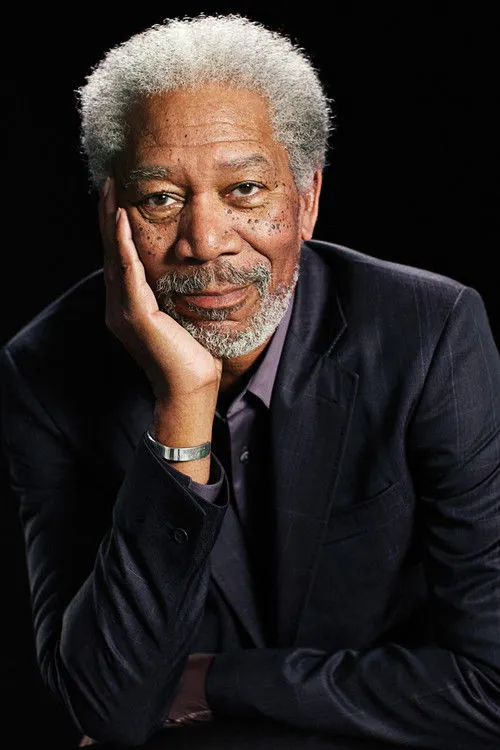
Morgan Freeman (born June 1, 1937) is an American actor, director, and narrator. Noted for his distinctive deep voice, Freeman is known for his various roles in a wide variety of film genres. Throughout his career spanning over five decades, he has received multiple accolades, including an Academy Award, a Screen Actors Guild Award, and a Golden Globe Award. Born in Memphis, Tennessee, Freeman was raised in Mississippi where he began acting in school plays. He studied theatre arts in Los Angeles and appeared in stage productions in his early career. He rose to fame in the 1970s for his role in the children's television series The Electric Company. Freeman then appeared in the Shakespearean plays Coriolanus and Julius Caesar, the former of which earned him an Obie Award. His breakout role was in Street Smart (1987), playing a hustler, which earned him an Academy Award nomination for Best Supporting Actor. He achieved further stardom in Glory, the biographical drama Lean on Me, and comedy-drama Driving Miss Daisy (all 1989), the latter of which garnered him his first Academy Award nomination for Best Actor. In 1992, Freeman starred alongside Clint Eastwood in the western revenge film Unforgiven; this would be the first of several collaborations with Eastwood. In 1994, he starred in the prison drama The Shawshank Redemption for which he received another Academy Award nomination. Freeman also starred in David Fincher's crime thriller Se7en (1995), and Steven Spielberg's historical drama Amistad (1997). Freeman won the Academy Award for Best Supporting Actor for his performance in Clint Eastwood's 2004 sports drama Million Dollar Baby. In 2009, he received his fifth Oscar nomination for playing former South African President Nelson Mandela in Eastwood's Invictus. Freeman is also known for his performance as Lucius Fox in Christopher Nolan's The Dark Knight Trilogy (2005–2012). In addition to acting, Freeman has directed the drama Bopha! (1993). He also founded film production company Revelations Entertainment with business partner Lori McCreary. He is the recipient of the Kennedy Center Honor, the AFI Life Achievement Award, the Cecil B. DeMille Award, and the Screen Actors Guild Life Achievement Award. For his performances in theatrical productions, he has won three Obie Awards, one of the most prestigious honors for recognizing excellence in theatre.
Morgan Freeman

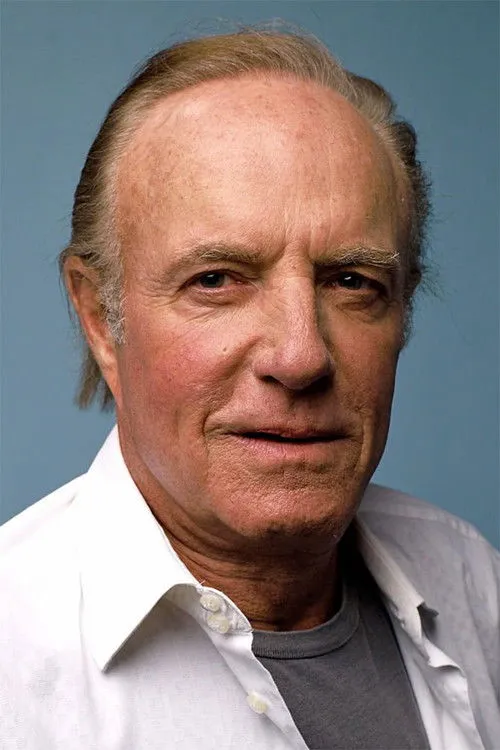
French authorities
for French authorities in The Man Who Planted Trees
Suggested by jakubduda
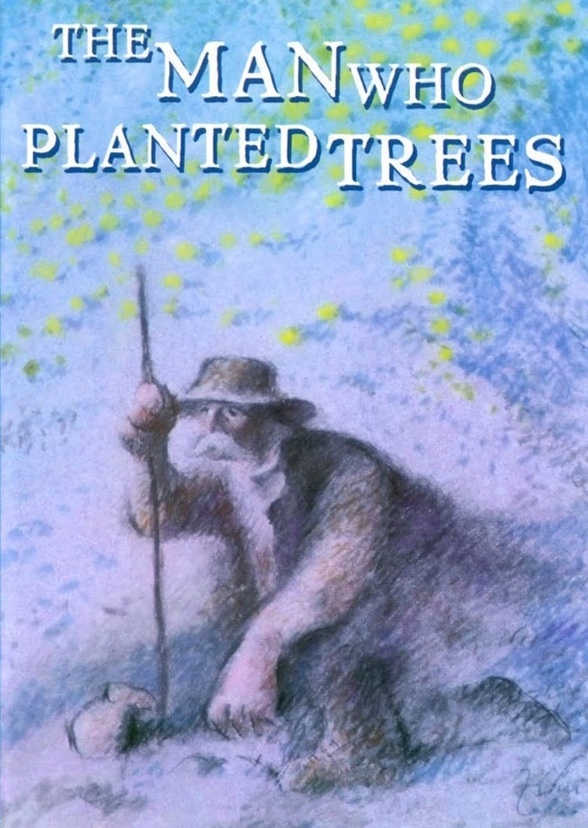
The story begins in the year 1913, when a young man who is the narrator was travelling alone on a hiking trip through Provence. The narrator leaves the shepherd, returns home, and later fights in the First World War. In 1920, shell-shocked and depressed after the war, the man returns. He is surprised to see young saplings of all forms taking root in the valley, and new streams running through it, where the shepherd has made dams higher up in the mountains. The narrator makes a full recovery in the peace and beauty of the regrowing valley, and continues to visit the region and M. Bouffier every year. The valley receives official protection after the First World War, with the French authorities mistakenly believing that the rapid growth of the new forest is a bizarre natural phenomenon, as they are unaware of Bouffier's selfless deeds. Over four decades, Bouffier continues to plant trees, and the valley is turned into a kind of Garden of Eden. The valley is vibrant with more than 10,000 people living there, not knowing they owe their happiness to Bouffier. In 1945, the narrator visits the now very old Bouffier last time. In 1947, in a hospice in Banon, the man who planted trees peacefully passes away.