
Computer animation is the process used for digitally generating animated images. The more general term computer-generated imagery (CGI) encompasses both static scenes and dynamic images, while computer animation only refers to moving images. Modern computer animation usually uses 3D computer graphics to generate a three-dimensional picture. Sometimes, the target of the animation is the computer itself, but sometimes film as well. Computer animation is essentially a digital successor to stop motion techniques, but using 3D models, and traditional animation techniques using frame-by-frame animation of 2D illustrations. Computer-generated animations can also allow a single graphic artist to produce such content without the use of actors, expensive set pieces, or props. To create the illusion of movement, an image is displayed on the computer monitor and repeatedly replaced by a new image that is similar to it but advanced slightly in time (usually at a rate of 24, 25, or 30 frames/second). This technique is identical to how the illusion of movement is achieved with television and motion pictures. For 3D animations, objects (models) are built on the computer monitor (modeled) and 3D figures are rigged with a virtual skeleton. Then the limbs, eyes, mouth, clothes, etc. of the figure are moved by the animator on key frames. The differences in appearance between key frames are automatically calculated by the computer in a process known as tweening or morphing. Finally, the animation is rendered.[1] For 3D animations, all frames must be rendered after the modeling is complete. For pre-recorded presentations, the rendered frames are transferred to a different format or medium, like digital video. The frames may also be rendered in real time as they are presented to the end-user audience. Low bandwidth animations transmitted via the internet (e.g. Adobe Flash, X3D) often use software on the end-user's computer to render in real time as an alternative to streaming or pre-loaded high bandwidth animations.
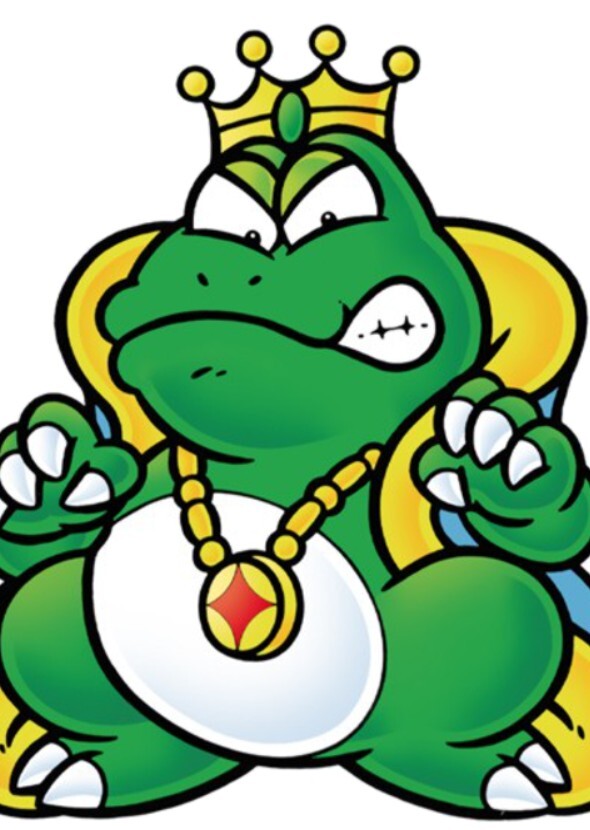
Every Mario game introduces new characters—whether to fight, befriend, or play as in fun spinoff games. But then those characters get unceremoniously ignored by Nintendo! These outcasts from the past are exiled to The Lost Levels, clinging to the hope that one day they’ll be invited back into Nintendo's newest hit game. But as time passes, hope fades. Fed up with being ignored, the long-forgotten frog king Wart decides enough is enough. Tired of Nintendo’s blissful neglect, he rallies a rogue squad of discarded Mario characters. Their mission? Crash the next Mario Kart game and make themselves impossible to ignore! It's an action comedy where the past should never be ignored!




