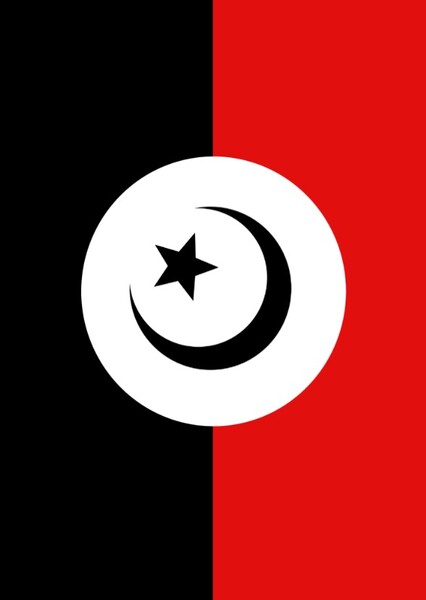
Libya,[b] officially the State of Libya,[c] is a country in the Maghreb region of North Africa. It borders the Mediterranean Sea to the north, Egypt to the east, Sudan to the southeast, Chad to the south, Niger to the southwest, Algeria to the west, and Tunisia to the northwest. With an area of almost 1.8 million km2 (700,000 sq mi), Libya is the fourth-largest country in Africa and the Arab world, and the 16th-largest in the world.[10] The country claims 32,000 square kilometres of southeastern Algeria, south of the Libyan town of Ghat.[1][11] The capital and largest city is Tripoli, located in the northwest and contains over a million of Libya's 7 million people.[12] Libya has been inhabited by Berbers since the late Bronze Age as descendants from Iberomaurusian and Capsian cultures. In classical antiquity, the Phoenicians established city-states and trading posts in western Libya, while several Greek cities were established in the East. Parts of Libya were variously ruled by Carthaginians, Numidians, Persians, and Greeks before the entire region became a part of the Roman Empire. Libya was an early centre of Christianity. After the fall of the Western Roman Empire, the area of Libya was mostly occupied by the Vandals until the 7th century when invasions brought Islam to the region. From then on, centuries of Arab migration to the Maghreb shifted the demographic scope of Libya in favour of Arabs. In the 16th century, the Spanish Empire and the Knights Hospitaller occupied Tripoli until Ottoman rule began in 1551. Libya was involved in the Barbary Wars of the 18th and 19th centuries. Ottoman rule continued until the Italo-Turkish War in 1911, which resulted in Italy occupying Libya and establishing two colonies: Italian Tripolitania and Italian Cyrenaica, later unified in the Italian Libya colony from 1934 to 1943.[13] During World War II, Libya was an area of warfare in the North African Campaign. The Italian population then went into decline and Libya became independent as a kingdom in 1951. A bloodless military coup in 1969, initiated by a coalition led by Colonel Muammar Gaddafi, overthrew King Idris I and created a republic. Gaddafi was often described by critics as a dictator, and was one of the world's longest serving non-royal leaders. He ruled for 42 years until being overthrown and killed in the 2011 civil war, which was part of the wider Arab Spring, with authority transferred to the National Transitional Council then to the elected General National Congress. Since 2011, Libya has been involved in a political and humanitarian crisis, and by 2014, two rival authorities claimed to govern Libya, which led to a second civil war, with parts of Libya split between separate governments, based in Tripoli and Tobruk, as well as various tribal and Islamist militias. The two main warring sides signed a permanent ceasefire in 2020, and a unity government took authority to plan for democratic elections, though political rivalries continue to delay this.[14][15][16][17][18][19][20][21] In March 2022, the House of Representatives ceased recognising the Government of National Unity and proclaimed an alternative government, the Government of National Stability (GNS). Both governments have been functioning simultaneously since then, which has led to dual power in Libya. The international community continues to recognise the unity government as the legitimate government of the country. Libya is a developing country ranking 115th by HDI, and has the 10th-largest proven oil reserves in the world. Libya has the highest level of greenhouse gas emissions per person in Africa, but has made little progress toward developing climate commitments. Libya is a member of the United Nations, the Non-Aligned Movement, the African Union, the Arab League, the Organisation of Islamic Cooperation, and OPEC. The country's official religion is Islam, with 96.6% of the Libyan population being Sunni Muslims.[1] The official language of Libya is Arabic, with vernacular Libyan Arabic being spoken most widely. The majority of Libya's population is Arab.[22][23][24]
Libya
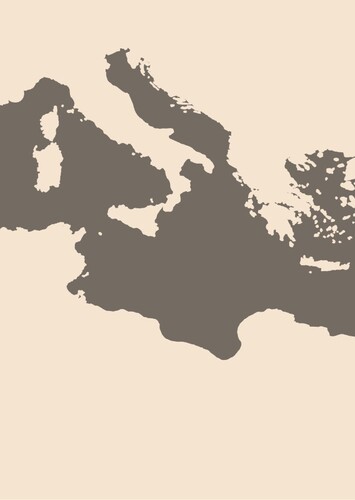
North Africa
for North Africa in The "Living World" Protocol
Suggested by benpopplewell
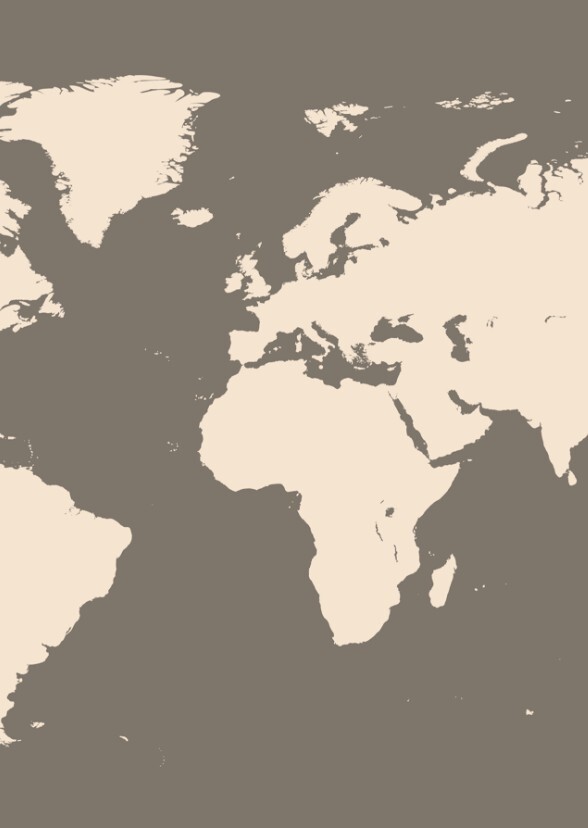
To create new locations of both real-life and fictional places around the world as part of geography with fictional lore is an ambitious and rewarding project that ranges from the spiritual philosophy of Sangkhara in Southeast Asia to the Furatistan in the Middle East—the best way to frame this project for a "number one" ranking and maximum fan engagement is through the lens of "Philosophical Cartography." Instead of just drawing borders, describe one street food dish or one local holiday for each place you want to see and feel with life. The best response to that feedback is to invite them and ask them what their character’s house would look like in that valley of highest-rated worldbuilding techniques, this guide provides 100% detailed steps for blending real-world geographies with concepts, as described in your vision, the best, fan-commented idea is to anchor fictional locations to real-world regions. The brilliance of this idea lies in the interconnectivity which blends deeply spiritual concepts like Sangkhara to a specific Italian village like Belcuore, after it became incredibly detailed world-building project.