Venice (/ˈvɛnɪs/ VEH-niss; Italian: Venezia [veˈnɛttsja] (About this soundlisten); Venetian: Venesia or Venexia [veˈnɛsja]) is a city in northeastern Italy and the capital of the Veneto region. It is built on a group of 118 small islands[4] that are separated by canals and linked by over 400 bridges.[4][5] The islands are in the shallow Venetian Lagoon, an enclosed bay lying between the mouths of the Po and the Piave rivers (more exactly between the Brenta and the Sile). In 2020, 258,685 people resided in the Comune di Venezia, of whom around 55,000 live in the historical city of Venice (centro storico). Together with Padua and Treviso, the city is included in the Padua-Treviso-Venice Metropolitan Area (PATREVE), which is considered a statistical metropolitan area, with a total population of 2.6 million.[6] The name is derived from the ancient Veneti people who inhabited the region by the 10th century BC.[7][8] The city was historically the capital of the Republic of Venice for over a millennium, from 697 to 1797. It was a major financial and maritime power during the Middle Ages and Renaissance, and a staging area for the Crusades and the Battle of Lepanto, as well as an important center of commerce—especially silk, grain, and spice, and of art from the 13th century to the end of the 17th. The city-state of Venice is considered to have been the first real international financial center, emerging in the 9th century and reaching its greatest prominence in the 14th century.[9] This made Venice a wealthy city throughout most of its history.[10] After the Napoleonic Wars and the Congress of Vienna, the Republic was annexed by the Austrian Empire, until it became part of the Kingdom of Italy in 1866, following a referendum held as a result of the Third Italian War of Independence. Venice has been known as "La Dominante", "La Serenissima", "Queen of the Adriatic", "City of Water", "City of Masks", "City of Bridges", "The Floating City", and "City of Canals". The lagoon and a part of the city are listed as a UNESCO World Heritage Site. Parts of Venice are renowned for the beauty of their settings, their architecture, and artwork.[4] Venice is known for several important artistic movements—especially during the Renaissance period—and has played an important role in the history of instrumental and operatic music, and is the birthplace of Baroque composers Tomaso Albinoni and Antonio Vivaldi.[11] Although the city is facing some challenges (including an excessive number of tourists and problems caused by pollution, tide peaks and cruise ships sailing too close to buildings),[12][13][14] Venice remains a very popular tourist destination, a major cultural centre, and has been ranked many times the most beautiful city in the world.[15][16] It has been described by the Times Online as one of Europe's most romantic cities[17] and by The New York Times as "undoubtedly the most beautiful city built by man".[18]
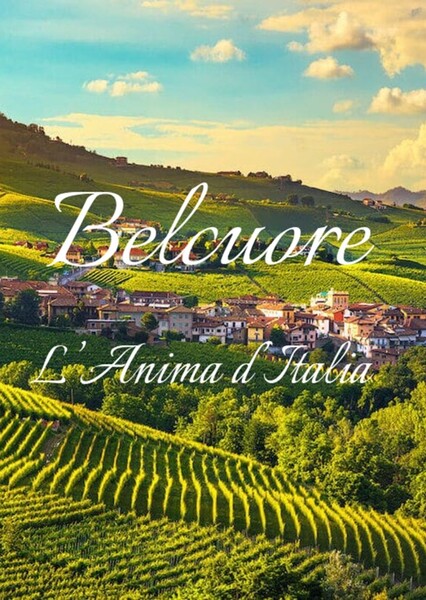
To create new locations of both real-life and fictional places around the world as part of geography with fictional lore is an ambitious and rewarding project that ranges from the spiritual philosophy of Sangkhara in Southeast Asia to the Furatistan in the Middle East—the best way to frame this project for a "number one" ranking and maximum fan engagement is through the lens of "Philosophical Cartography." Instead of just drawing borders, describe one street food dish or one local holiday for each place you want to see and feel with life. The best response to that feedback is to invite them and ask them what their character’s house would look like in that valley of highest-rated worldbuilding techniques, this guide provides 100% detailed steps for blending real-world geographies with concepts, as described in your vision, the best, fan-commented idea is to anchor fictional locations to real-world regions. The brilliance of this idea lies in the interconnectivity which blends deeply spiritual concepts like Sangkhara to a specific Italian village like Belcuore, after it became incredibly detailed world-building project.