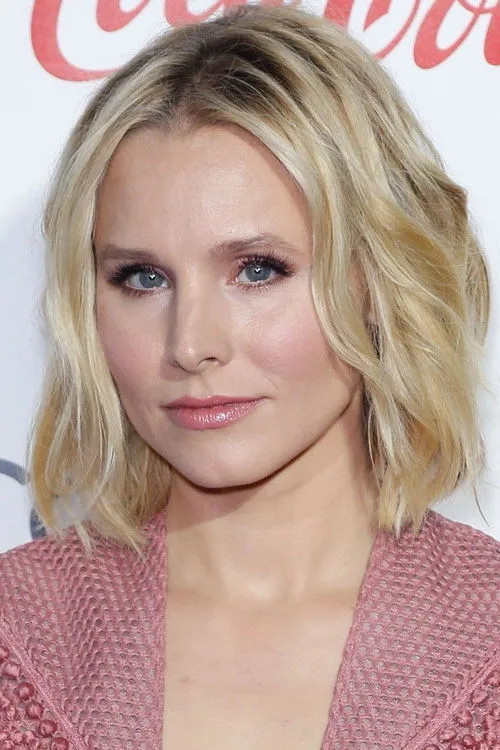
Age: 40
female
Amanda Michelle Seyfried (/ˈsaɪfrɛd/ SY-fred; born December 3, 1985) is an American actress. She began acting at 15, with recurring roles as Lucy Montgomery in the CBS soap opera As the World Turns (1999–2001) and Joni Stafford in the ABC soap opera All My Children (2003). She came to prominence for her feature film debut in the teen comedy Mean Girls (2004) and her roles as Lilly Kane in the UPN mystery drama series Veronica Mars (2004–2006) and Sarah Henrickson in the HBO drama series Big Love (2006–2011). Seyfried has starred in many films, including Mamma Mia! (2008) and its sequel Mamma Mia! Here We Go Again (2018), Jennifer's Body (2009), Dear John (2010), Letters to Juliet (2010), Red Riding Hood (2011), In Time (2011), Les Misérables (2012), A Million Ways to Die in the West (2014), Ted 2 (2015), and First Reformed (2017). Seyfried received critical acclaim and nominations for the Academy Award and Golden Globe Award for Best Supporting Actress for portraying Marion Davies in David Fincher's biopic Mank (2020). For her starring role as Elizabeth Holmes in the Hulu miniseries The Dropout (2022), she won the Golden Globe Award and Primetime Emmy Award for Outstanding Lead Actress. In 2022, Time named her one of the 100 most influential people in the world. Description above from the Wikipedia Amanda Seyfried, article licensed under CC-BY-SA, full list of contributors on Wikipedia.
Amanda Seyfried

Caceret
for Caceret in The Kingkiller Chronicle
Suggested by nicholasoleksak

The Kingkiller Chronicle is a fantasy series by Patrick Rothfuss, telling the autobiography of Kvothe, an adventurer and famous musician. The first two books, The Name of the Wind and The Wise Man's Fear, were released in 2007 and 2011, respectively. A third is planned to fill out a trilogy, but a release date has not been announced. The plot is divided into two different action threads: the present, in which Kvothe tells the story of his life to Devan Lochees (known as Chronicler) in the Waystone Inn, and Kvothe's past, which makes up the majority of the first two books. The present-day interludes are in the third person from the perspective of multiple characters, while the story of Kvothe's life is told entirely in the first person from his own perspective. The series also contains many metafictional stories-within-stories from varying perspectives, most of which are recounted by Kvothe, having been heard from other characters in his past.