
Age: 37
female
Lily Jane Collins (born 18 March 1989) is a British and American actress and model. Born in Guildford, Surrey and raised in Los Angeles, Collins began performing on screen at the age of two in the BBC sitcom Growing Pains. In the late 2000s, Collins began acting and modelling more regularly, and she had a career breakthrough with her performance in the sports-drama film The Blind Side, which was the third highest-grossing film of 2009. She went on to appear in leading roles across feature films such as the sci-fi action-horror Priest (2011), the psychological action-thriller Abduction (2011), the fantasy Mirror Mirror (2012), the urban fantasy The Mortal Instruments: City of Bones (2013), and the independent romantic comedies Stuck in Love (2012), The English Teacher (2013), and Love, Rosie (2014). Collins was critically acclaimed for her roles as Marla Mabrey in the comedy Rules Don't Apply (2016), which earned her a nomination for the Golden Globe Award for Best Actress – Motion Picture Musical or Comedy, and for her portrayal of a young adult with anorexia in the controversial Netflix drama To the Bone (2017). She has also achieved recognition for her work in biographical films: she starred as Liz Kendall in the Netflix drama Extremely Wicked, Shockingly Evil and Vile (2019), as J.R.R. Tolkien's wife Edith in Tolkien (2019), and as Rita Alexander in Mank (2020), the latter of which was a critical success, earning 10 Academy Award nominations. Collins played Fantine in the BBC miniseries adaptation of Les Misérables (2018–2019), and, since 2020, she has portrayed Emily Cooper in the Netflix series Emily in Paris. For the latter, she received a nomination for the Golden Globe Award for Best Actress – Television Series Musical or Comedy. She made her writing debut with Unfiltered: No Shame, No Regrets, Just Me (2017) in which she discussed her struggles with mental health, including an eating disorder she suffered as a teenager.
Lily Collins

Sophia Smith
for Sophia Smith in The Killer of A Doubt
Suggested by user_73956
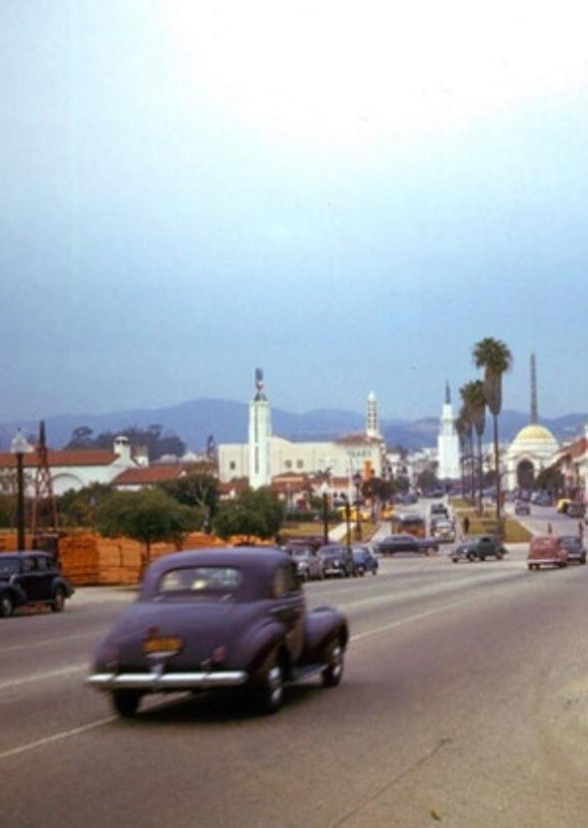
While many critics refer to film noir as a genre itself, others argue that it can be no such thing defines a genre as determined by "conventions of narrative structure, characterization, theme, and visual design" as one who has taken the position that film noir is a genre, argues that these elements are present "in abundance". Hirsch notes that there are unifying features of tone, Los Angeles in 1948 visual style and narrative sufficient to classify noir as a distinct genre Sicily operating in America, as the organization initially emerged as an American offshoot of the Sicilian Mafia known as Cosa nostra by its members). However, the organization gradually evolved into a separate entity partially independent of the original Mafia in Sicily, and it eventually encompassed or absorbed other Italian-American gangsters and Italian-American crime groups (such as the American Camorra) active in the United States and Canada that were not of Sicilian origin. In North America, it is often colloquially referred to as the Italian Mafia or Italian Mob, Killer Gangs

