
Age: 56
male
Colman Jason Domingo (born November 28, 1969) is an American actor, playwright, and director. Prominent on both screen and stage since the 2010s, Domingo has received various accolades, including a Primetime Emmy Award, and nominations for an Academy Award and two Tony Awards. Time magazine named him one of the 100 most influential people in the world in 2024. Domingo's early Broadway roles include the 2005 play Well and the 2008 musical Passing Strange. He gained acclaim for his role as Mr. Bones in the Broadway musical The Scottsboro Boys (2011), for which he was nominated for the Tony Award for Best Featured Actor in a Musical. He reprised the role in the 2014 West End production, receiving a nomination for the Laurence Olivier Award for Best Performance in a Supporting Role in a Musical. In 2018, he wrote the book for the Broadway musical Summer: The Donna Summer Musical. After early roles in various incarnations of the Law & Order series and as part of the main cast for The Big Gay Sketch Show, Domingo had his breakthrough playing Victor Strand in the AMC series Fear the Walking Dead (2015–2023). He gained wider acclaim for his recurring role as the recovering drug addict Ali on the HBO series Euphoria (2019–present), winning the Primetime Emmy Award for Outstanding Guest Actor in a Drama Series in 2022. Domingo received consecutive nominations in 2024 and 2025 for the Academy Award for Best Actor for his portrayals of civil rights activist Bayard Rustin in the biopic Rustin and a prison inmate in the drama Sing Sing. His other notable film appearances include roles in Lincoln (2012), The Butler (2013), Selma (2014), If Beale Street Could Talk (2018), Ma Rainey's Black Bottom (2020), Zola (2021), and The Color Purple (2023). Description above from the Wikipedia article Colman Domingo, licensed under CC-BY-SA, full list of contributors on Wikipedia.
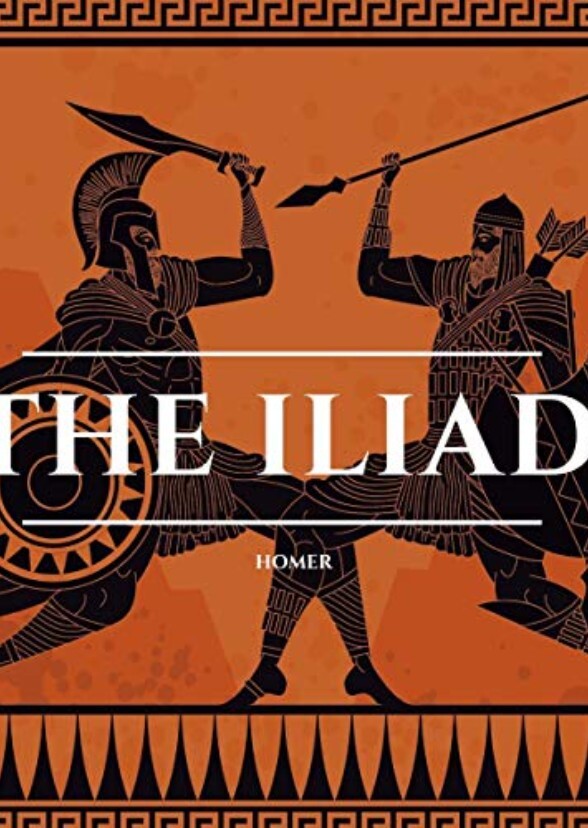
The Iliad, attributed to Homer, is an epic poem set during the Trojan War, though it focuses on just a few weeks near the end of the ten-year conflict. The story centers on the rage of Achilles, the greatest Greek warrior, after he feels dishonored by Agamemnon, the leader of the Greek forces, who seizes his war prize, the maiden Briseis. Insulted, Achilles withdraws from battle, leaving the Greeks to struggle without their strongest fighter. Meanwhile, the Trojans, led by Prince Hector, gain the upper hand, pushing the Greeks back toward their ships. The gods, constantly interfering, take sides and influence events, heightening the tension and destruction on the battlefield. As the war intensifies, Achilles’ closest companion, Patroclus, dons his armor to rally the Greeks but is slain by Hector. Overcome with grief and fury, Achilles returns to battle, killing Hector in single combat and desecrating his body. Despite his wrath, the epic concludes not with Troy’s fall but with a moment of compassion: King Priam, Hector’s father, bravely enters Achilles’ camp to beg for his son’s body. Moved by Priam’s plea and reminded of his own father, Achilles relents, returning Hector’s body for proper burial. The poem ends with Hector’s funeral, leaving the larger fate of Troy beyond the scope of the narrative.


