
Age: 42
male
Jonah Hill Feldstein (born December 20, 1983) is an American actor, comedian, screenwriter, producer and director. He is known for his comedic roles in films including Superbad (2007), Knocked Up (2007), 21 Jump Street (2012), This Is the End (2013), and 22 Jump Street (2014). For his performances in Moneyball (2011) and The Wolf of Wall Street (2013), he was nominated for the Academy Award for Best Supporting Actor. Hill ranked 28th on Forbes magazine's list of highest-paid actors from June 2014 to June 2015, at $16 million. In 2020, he was found to have sworn on film more than any other actor. As a screenwriter, he contributed to the stories of 21 Jump Street, 22 Jump Street, Sausage Party and Why Him? In 2018, he starred in the Netflix dark comedy miniseries Maniac and made his directorial debut with the film Mid90s. He also wrote the screenplay for Mid90s. Hill has provided voices for the animated films Horton Hears a Who! (2008), Megamind (2010), How to Train Your Dragon (2010–2019), The Lego Movie (2014), and The Lego Movie 2: The Second Part (2019).
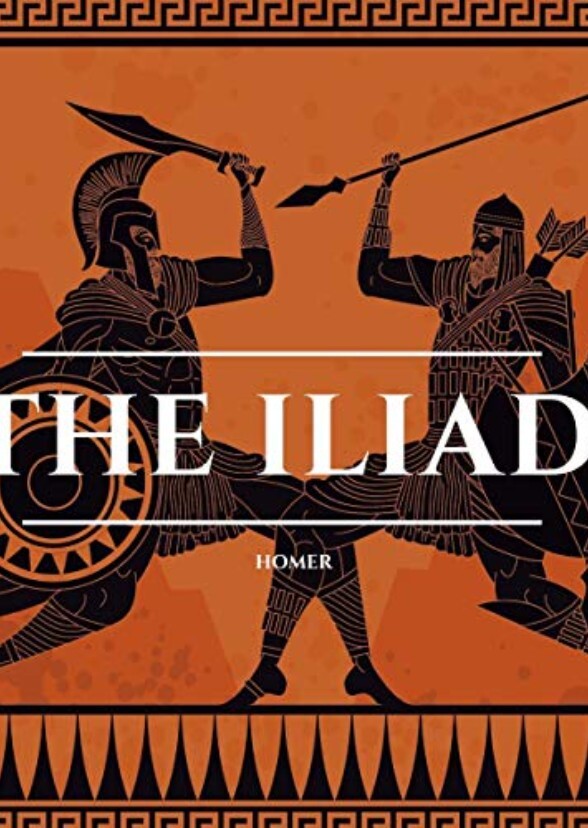
The Iliad, attributed to Homer, is an epic poem set during the Trojan War, though it focuses on just a few weeks near the end of the ten-year conflict. The story centers on the rage of Achilles, the greatest Greek warrior, after he feels dishonored by Agamemnon, the leader of the Greek forces, who seizes his war prize, the maiden Briseis. Insulted, Achilles withdraws from battle, leaving the Greeks to struggle without their strongest fighter. Meanwhile, the Trojans, led by Prince Hector, gain the upper hand, pushing the Greeks back toward their ships. The gods, constantly interfering, take sides and influence events, heightening the tension and destruction on the battlefield. As the war intensifies, Achilles’ closest companion, Patroclus, dons his armor to rally the Greeks but is slain by Hector. Overcome with grief and fury, Achilles returns to battle, killing Hector in single combat and desecrating his body. Despite his wrath, the epic concludes not with Troy’s fall but with a moment of compassion: King Priam, Hector’s father, bravely enters Achilles’ camp to beg for his son’s body. Moved by Priam’s plea and reminded of his own father, Achilles relents, returning Hector’s body for proper burial. The poem ends with Hector’s funeral, leaving the larger fate of Troy beyond the scope of the narrative.



