
Age: 33
male
William Jack Poulter (born 28 January 1993) is an English actor. He first gained recognition in School of Comedy (2009) and then for his role as Eustace Scrubb in the adventure film The Chronicles of Narnia: The Voyage of the Dawn Treader (2010) and his starring role in the comedy film We're the Millers (2013). He won the BAFTA Rising Star Award in 2014. Poulter starred in the first and third films of the dystopian science fiction trilogy The Maze Runner (2014–2018), the period film The Revenant (2015), the drama film Detroit (2017), the interactive film Black Mirror: Bandersnatch (2018), and the horror film Midsommar (2019). In 2021, he was featured in the Hulu miniseries Dopesick, for which he received a Primetime Emmy Award nomination for Outstanding Supporting Actor. In 2023, he joined the Marvel Cinematic Universe as Adam Warlock in Guardians of the Galaxy Vol. 3. He had a recurring role in FX's series The Bear, which earned him another Emmy Award nomination. Description above from the Wikipedia article Will Poulter, licensed under CC-BY-SA, full list of contributors on Wikipedia.
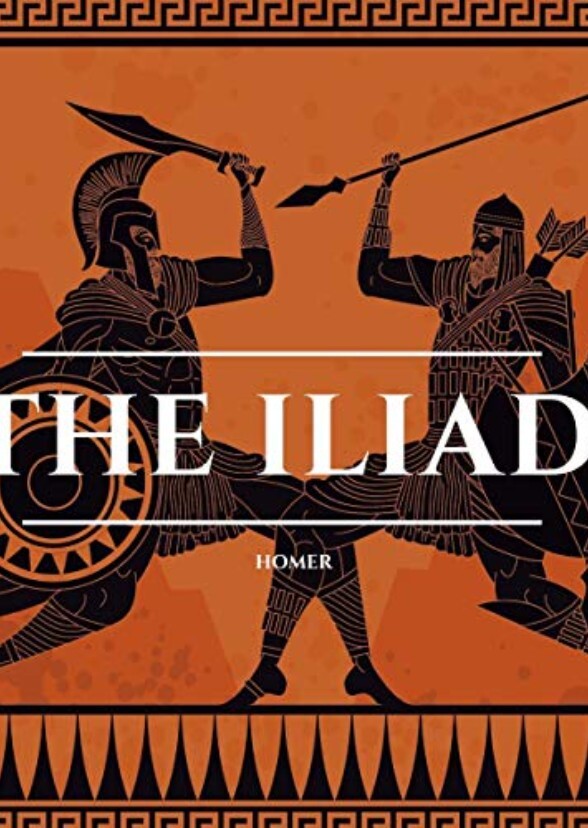
The Iliad, attributed to Homer, is an epic poem set during the Trojan War, though it focuses on just a few weeks near the end of the ten-year conflict. The story centers on the rage of Achilles, the greatest Greek warrior, after he feels dishonored by Agamemnon, the leader of the Greek forces, who seizes his war prize, the maiden Briseis. Insulted, Achilles withdraws from battle, leaving the Greeks to struggle without their strongest fighter. Meanwhile, the Trojans, led by Prince Hector, gain the upper hand, pushing the Greeks back toward their ships. The gods, constantly interfering, take sides and influence events, heightening the tension and destruction on the battlefield. As the war intensifies, Achilles’ closest companion, Patroclus, dons his armor to rally the Greeks but is slain by Hector. Overcome with grief and fury, Achilles returns to battle, killing Hector in single combat and desecrating his body. Despite his wrath, the epic concludes not with Troy’s fall but with a moment of compassion: King Priam, Hector’s father, bravely enters Achilles’ camp to beg for his son’s body. Moved by Priam’s plea and reminded of his own father, Achilles relents, returning Hector’s body for proper burial. The poem ends with Hector’s funeral, leaving the larger fate of Troy beyond the scope of the narrative.


