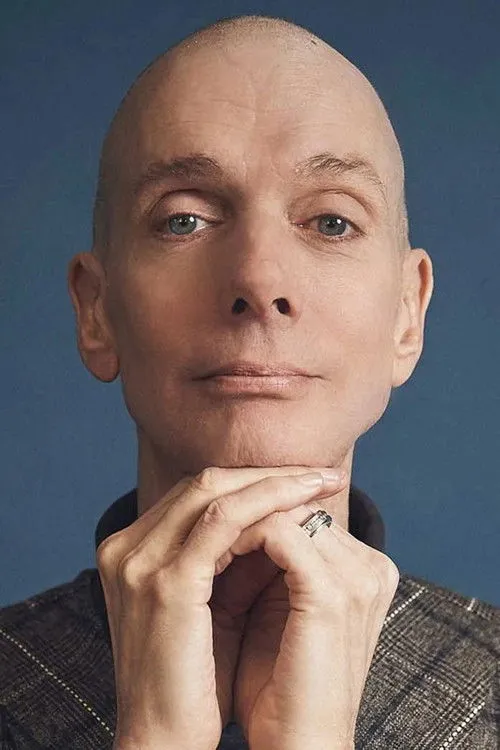
Age: 62
male
Andrew Clement Serkis (born 20 April 1964) is an English actor and filmmaker. He is best known for his motion capture roles comprising motion capture acting, animation and voice work for computer-generated characters such as Gollum in The Lord of the Rings film trilogy (2001–2003) and The Hobbit: An Unexpected Journey (2012), King Kong in the eponymous 2005 film, Caesar in the Planet of the Apes reboot series (2011–2017), Captain Haddock / Sir Francis Haddock in Steven Spielberg's The Adventures of Tintin (2011), Baloo in his self-directed film Mowgli: Legend of the Jungle (2018) and Supreme Leader Snoke in the Star Wars sequel trilogy films The Force Awakens (2015) and The Last Jedi (2017), also portraying Kino Loy in the Star Wars Disney+ series Andor (2022). Serkis's film work in motion capture has been critically acclaimed. He has received an Empire Award and two Saturn Awards for his motion-capture acting. He earned a BAFTA and a Golden Globe nomination for his portrayal of serial killer Ian Brady in the British television film Longford (2006). He was nominated for a BAFTA for his portrayal of new wave and punk rock musician Ian Dury in the biopic Sex & Drugs & Rock & Roll (2010). In 2020, Serkis received the BAFTA Award for Outstanding British Contribution to Cinema. In 2021, he won a Daytime Emmy Award for The Letter for the King (2020). Serkis portrayed Ulysses Klaue in the Marvel Cinematic Universe (MCU) films Avengers: Age of Ultron (2015) and Black Panther (2018), as well as the Disney+ series What If...? (2021). He also played Alfred Pennyworth in The Batman (2022). Serkis has his own production company and motion-capture workshop, The Imaginarium, in London, which he used for Mowgli: Legend of the Jungle. He made his directorial debut with Imaginarium's 2017 film Breathe and also directed Venom: Let There Be Carnage (2021). Description above from the Wikipedia article Andy Serkis, licensed under CC-BY-SA, full list of contributors on Wikipedia.
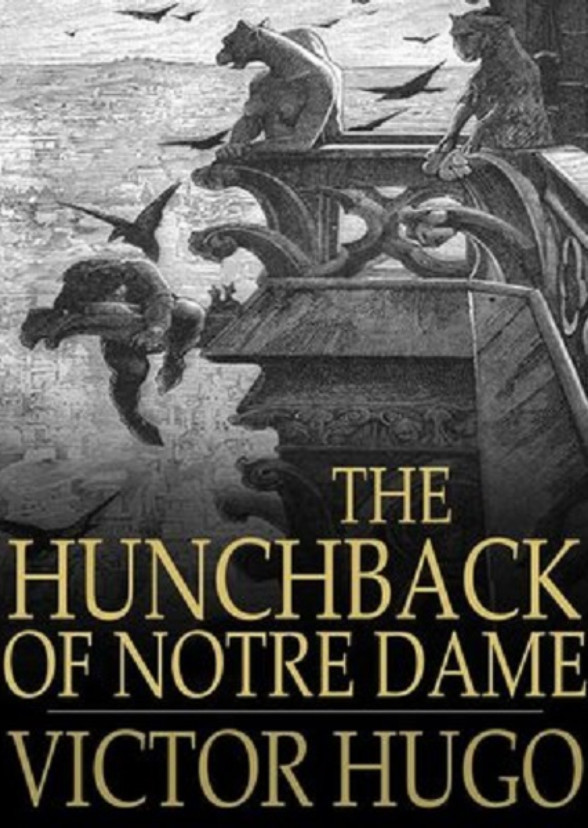
Movie based on the romantic/gothic novel by french author Victor Hugo, published in 1831. The original French title refers to Notre Dame Cathedral, on which the story is centered. The story is set in 15th-century Paris and powerfully evokes medieval life in the city during the reign of Louis XI. Quasimodo is the hunchbacked horribly deformed bell ringer at the cathedral of Notre-Dame. Once beaten and pilloried by an angry mob, he has fallen in love with the beautiful gypsy Esmeralda, who took pity on him during this ordeal. When the scheming archdeacon Frollo, who is also obsessed with Esmeralda, discovers that she favours Captain Phoebus, he stabs the captain, and Esmeralda is accused of the crime. Quasimodo attempts to shelter Esmeralda in the cathedral, but she eventually hangs; in his grief and despair, Quasimodo throws Frollo from the cathedral tower. Later, two skeletons are found in Esmeralda’s tomb—that of a hunchback embracing that of a woman.