Age: 30
female
Anya-Josephine Marie Taylor-Joy (/ˈænjə/; born 16 April 1996) is an American actress and voice actress. Born in Miami and raised in Buenos Aires and London, she left school at 16 to pursue an acting career. After several minor television roles, her breakthrough came with a leading role in the horror film The Witch (2015). Her career progressed with roles in the horror film Split (2016) and its sequel Glass (2019), the black comedy film Thoroughbreds (2017), and playing Emma Woodhouse in the period drama Emma (2020). Taylor-Joy featured in the television crime drama series Peaky Blinders (2019–2022) and earned international recognition for playing Beth Harmon in the period drama miniseries The Queen's Gambit (2020), winning a Golden Globe Award and a SAG Award, in addition to a nomination for a Primetime Emmy Award. She then starred in the horror film Last Night in Soho (2021), the action films The Northman (2022) and The Gorge (2025), and the black comedy The Menu (2022). She also voiced Princess Peach in the animated film The Super Mario Bros. Movie (2023). She starred as Imperator Furiosa in the apocalyptic film Furiosa: A Mad Max Saga (2024). Description above from the Wikipedia article Anya Taylor-Joy, licensed under CC-BY-SA, full list of contributors on Wikipedia.
Anya Taylor-Joy

Lily Bart
for Lily Bart in The House of Mirth
Suggested by devahutiraichaliha
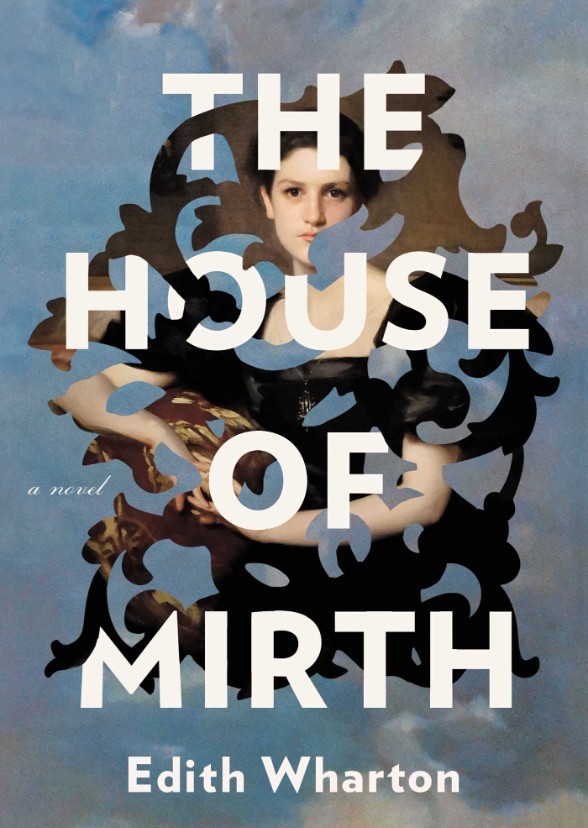
The House of Mirth is a 1905 novel by American author Edith Wharton. It tells the story of Lily Bart, a well-born but impoverished woman belonging to New York City's high society around the end of the 19th century. Wharton creates a portrait of a stunning beauty who, though raised and educated to marry well both socially and economically, is reaching her 29th year, an age when her youthful blush is drawing to a close and her marital prospects are becoming ever more limited. The House of Mirth traces Lily's slow two-year social descent from privilege to a tragically lonely existence on the margins of society. In the words of one scholar, Wharton uses Lily as an attack on "an irresponsible, grasping and morally corrupt upper class."