
Age: 68
male
Scott Rudin (born July 14, 1958) is an American film and theatrical producer. He started working as an assistant to theater producer Kermit Bloomgarden at the age of sixteen. Later, he worked for producers Robert Whitehead and Emanuel Azenberg. Rudin ended up starting his own company after he took a job as a casting agent In lieu of attending college. In 1980, Rudin moved to Los Angeles, taking up employment at Edgar J. Scherick Associates, where he served as producer on a variety of films including I'm Dancing as Fast as I Can (1981), the NBC miniseries Little Gloria... Happy at Last (1982) and the Oscar-winning documentary He Makes Me Feel Like Dancin' (1983). Rudin later formed his own business, Scott Rudin Productions. His first film under that banner was Gillian Armstrong's Mrs. Soffel (1984). But, not long after, Rudin joined 20th Century-Fox as an executive producer. At Fox, he met Jonathan Dolgen, a higher-level executive, with whom he would be working once again at Paramount Pictures years later. Rudin swiftly rose through the ranks at Fox and became president of production by 1986 at the age of 29. His stint at the top of Fox was short lived though, and he soon left and entered into a producing deal with Paramount. In early 2021, The Hollywood Reporter published a story covering a long term pattern of abusive behavior from Rudin, based on statements from former employees. In the article, he was accused of physical abuse, including smashing a computer monitor on the hand of an assistant and throwing objects at employees. Following this, Rudin announced he would be stepping away from a number of film, television, and Broadway projects he was involved in. His business relationship with A24 was also ended during this time. Rudin lives in New York City with his husband John Barlow, a Broadway theatre publicist and former owner of Barlow/Hartman Public Relations.
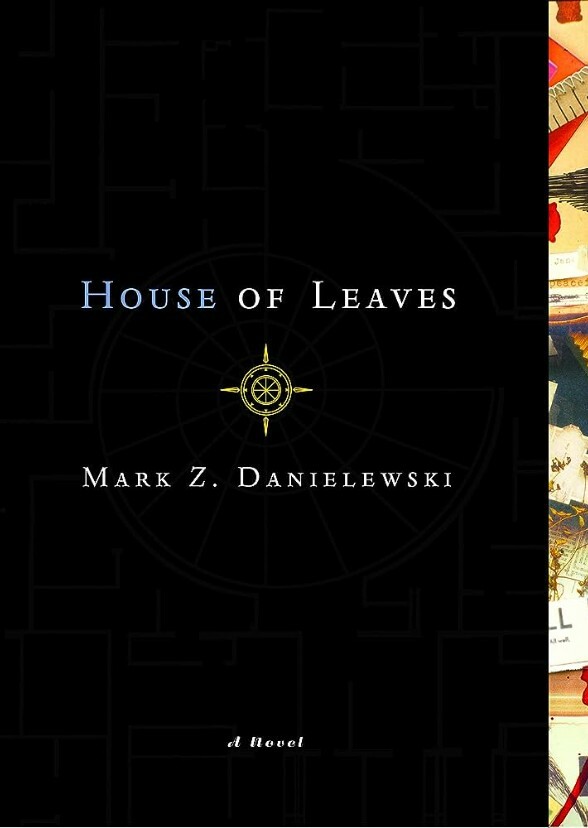
Johnny Truant, a troubled tattoo parlor apprentice who discovers a mysterious manuscript left behind by the deceased blind recluse Zampanò. As Johnny delves into the labyrinthine text, he becomes increasingly obsessed with uncovering the truth behind Zampanò's claims of a mythical documentary called "The Navidson Record." Simultaneously, the film unfolds the story of the Navidson family's harrowing experiences within a seemingly impossible house, where dark corridors and inexplicable phenomena threaten to consume them. Blurring the boundaries between reality and fiction, past and present, the film explores themes of obsession, madness, and the elusive nature of truth.