
Age: 55
male
Craig Mazin (born 1971) is an American writer, director, and producer. He is best known for creating, writing, and producing the HBO historical disaster drama miniseries Chernobyl (2019) and co-creating, co-writing, and executive producing the HBO post-apocalyptic drama series The Last of Us (2023–present), the latter alongside Neil Druckmann. He has won two Primetime Emmy Awards, including Outstanding Writing for a Limited Series, Movie, or Dramatic Special and Outstanding Limited Series. Prior to gaining attention and acclaim for his dramatic work, Mazin was primarily known for his work on comedy films such as Scary Movie 3 (2003), Scary Movie 4 (2006), Superhero Movie (2008), The Hangover Part II (2011), The Hangover Part III, and Identity Thief (both 2013). Description above from the Wikipedia article Craig Mazin, licensed under CC-BY-SA, full list of contributors on Wikipedia.
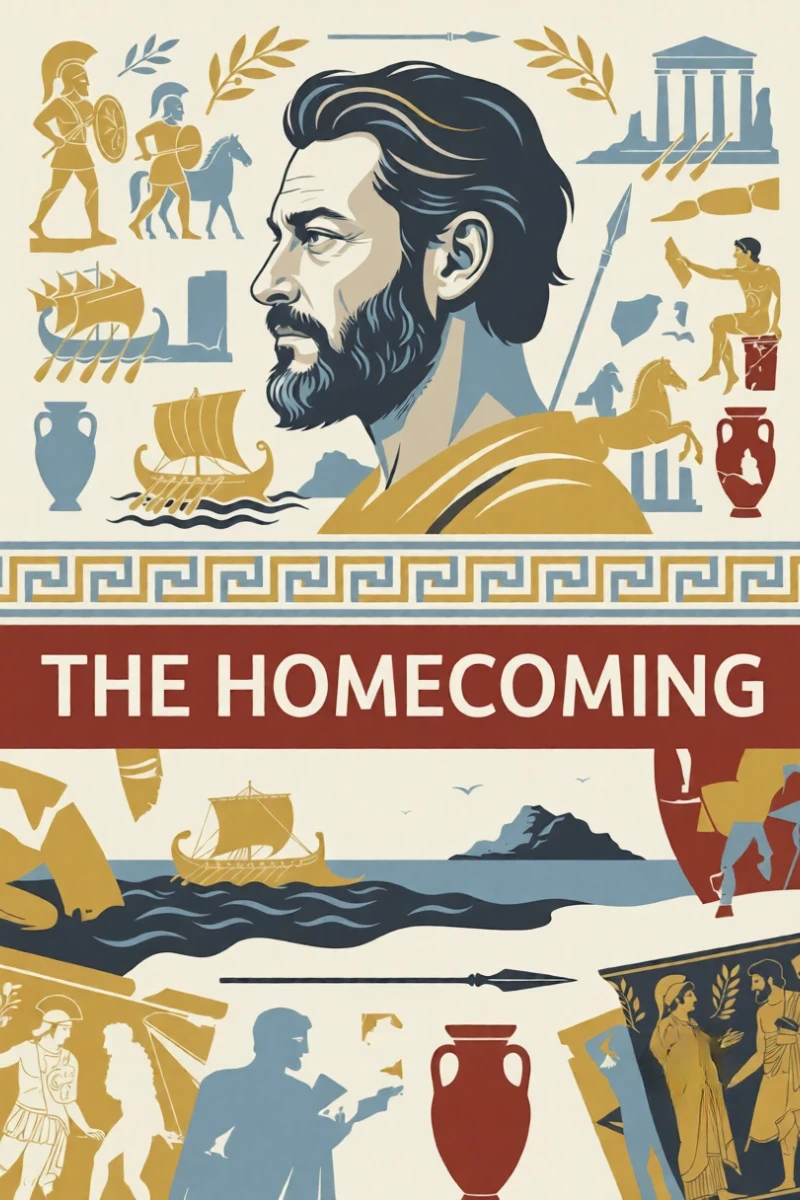
The series reimagines Homer’s ancient epic through a raw, historical lens, unfolding across four episodes as a dark, psychological thriller about survival, generational trauma, and the horrific cost of war. Stripped of classic fantasy tropes, the story follows Odysseus, a battle-scarred and hollowed-out veteran enduring his final days of isolation on Ogygia before embarking on a grueling journey back to a home he barely recognizes. In his absence, the Ithacan palace has fallen into decay, besieged by a predatory swarm of high-status sociopaths led by the brutal Antinous and the calculating Eurymachus. These suitors systematically consume the kingdom's wealth, gaslighting the hyper-vigilant Queen Penelope and plotting the assassination of her anxious, lanky son, Telemachus.As Odysseus navigates the monstrous physical fallout of his past and the haunting, restless ghosts of the Underworld, the series explores the deep rift between mythic legacy and human vulnerability. The narrative balances grounded, visceral realism with an unsettling, ancient divinity, orchestrated by the unblinking, cold strategy of Athena and the intoxicating possessiveness of Calypso. When the wandering king finally returns to Ithaca disguised as a frail beggar, he finds a house fractured by shifting loyalties - contrasting the fierce devotion of the old nurse Eurycleia and the weather-hardened swineherd Eumaeus against the venomous betrayal of the maid Melantho and her opportunistic brother Melanthius. This pressure-cooker environment builds toward an explosive, claustrophobic bloodbath inside the locked limestone Great Hall. Rather than a glorious triumph, the violent reclamation of his throne is a messy, traumatizing execution that leaves the family physically and emotionally broken. The series strips away the romanticism of heroics to expose a haunting, slow-burn psychological truth: the true battle begins only when the war is over.


