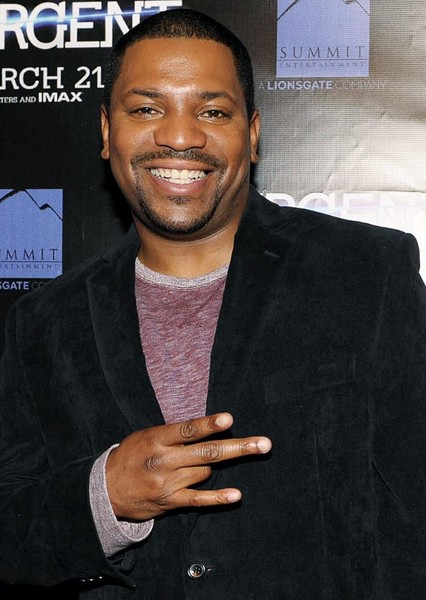
Age: 44
male
Brian Tyree Henry (born March 31, 1982) is an American actor. He rose to prominence for his role as rapper Alfred "Paper Boi" Miles in the FX comedy-drama series Atlanta (2016–2022), for which he received a nomination for the Primetime Emmy Award for Outstanding Supporting Actor in a Comedy Series. Henry had a guest role in This Is Us in 2017 and had his film breakthrough in 2018 with roles in Steve McQueen's heist film Widows and Barry Jenkins' romantic drama If Beale Street Could Talk. He has since appeared in Child's Play (2019), Joker (2019), Godzilla vs. Kong (2021), Bullet Train (2022), and Godzilla x Kong: The New Empire (2024). He portrayed Phastos in the Marvel Cinematic Universe film Eternals (2021). He was nominated for the Academy Award for Best Supporting Actor for playing a grieving man in the drama film Causeway (2022). He also voiced Jefferson Davis in Spider-Man: Into the Spider-Verse (2018) and its sequel, Spider-Man: Across the Spider-Verse (2023) and Megatron in Transformers One (2024). Henry has also appeared on stage, making his debut performance in the Shakespeare in the Park production of Romeo and Juliet (2007) and acting in various plays at the Public Theatre before appearing in the original Broadway cast of The Book of Mormon (2011). In 2014, he appeared in the off-Broadway musical The Fortress of Solitude. For his performance in the 2018 Broadway revival of Kenneth Lonergan's play Lobby Hero, he received a nomination for the Tony Award for Best Featured Actor in a Play. Description above from the Wikipedia article Brian Tyree Henry, licensed under CC-BY-SA, full list of contributors on Wikipedia.
Brian Tyree Henry

Fatty
for Fatty in The Heaven and Earth Grocery Store
Suggested by rachani
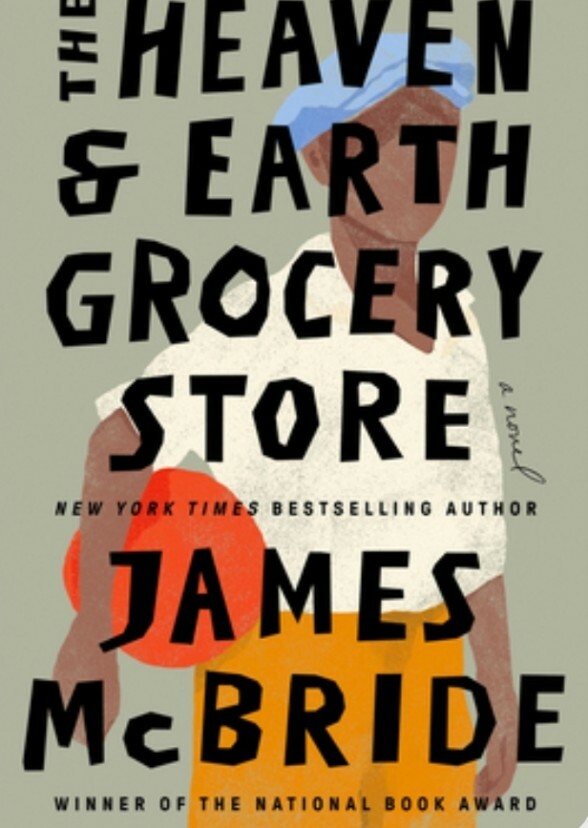
In 1972, when workers in Pottstown, Pennsylvania, were digging the foundations for a new development, the last thing they expected to find was a skeleton at the bottom of a well. Who the skeleton was and how it got there were two of the long-held secrets kept by the residents of Chicken Hill, the dilapidated neighbourhood where immigrant Jews and African Americans lived side by side and shared ambitions and sorrows. As these characters' stories overlap and deepen, it becomes clear how much the people who live on the margins struggle and what they must do to survive. When the truth is finally revealed about what happened on Chicken Hill and the part the town's white establishment played in it, McBride shows us that even in dark times, it is love and community-heaven and earth-that sustain us.