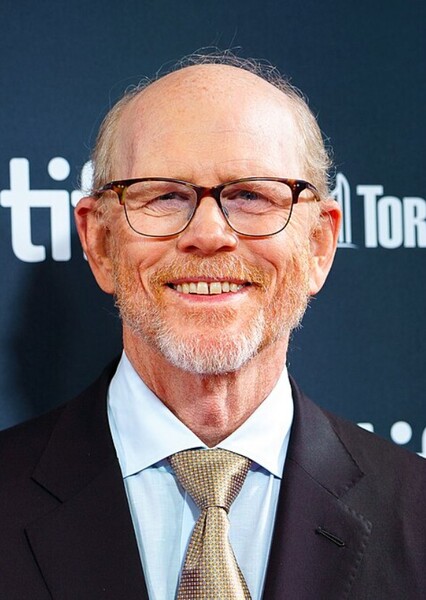
Age: 72
male
Ronald William Howard (born March 1, 1954) is an American filmmaker and actor. Howard first came to prominence as a child actor, guest-starring in several television series, including an episode of The Twilight Zone. He gained national attention for playing young Opie Taylor, the son of Sheriff Andy Taylor (played by Andy Griffith) in the sitcom The Andy Griffith Show from 1960 through 1968. During this time, he also appeared in the musical film The Music Man (1962), a critical and commercial success. He was credited as Ronny Howard in his film and television appearances from 1959 to 1973. Howard was cast in one of the lead roles in the coming-of-age film American Graffiti (1973), which received widespread acclaim and became one of the most profitable films in history. The following year, Howard became a household name for playing Richie Cunningham in the sitcom Happy Days, a role he would play from 1974 through 1984. Howard continued appearing in films during this time, such as the western film The Shootist (1976) and the comedy film Grand Theft Auto (1977), which also marked his directorial debut. In 1984, Howard left Happy Days to focus on directing, producing and occasionally writing variety films and television series. His films include the science-fiction/fantasy Cocoon (1985), the fantasy Willow (1988), the thriller Backdraft (1991), the historical docudrama Apollo 13 (1995), the Christmas comedy How the Grinch Stole Christmas (2000), the biographical drama A Beautiful Mind (2001), the biographical sports drama Cinderella Man (2005), the thriller The Da Vinci Code (2006), the historical drama Frost/Nixon (2008), Solo: A Star Wars Story (2018), and the documentary Pavarotti (2019). For A Beautiful Mind, Howard won the Academy Award for Best Director and Academy Award for Best Picture. He was nominated again for the same awards for Frost/Nixon. In 2003, Howard was awarded the National Medal of Arts. He was inducted into the Television Hall of Fame in 2013. Howard has two stars on the Hollywood Walk of Fame for his contributions in the television and motion pictures industries.
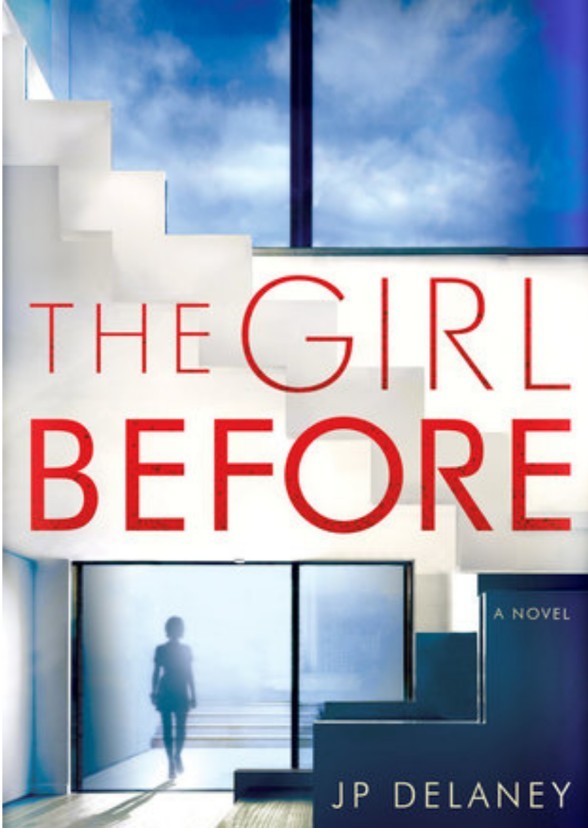
Please make a list of every possession you consider essential to your life. The request seems odd, even intrusive - and for the two women who answer, the consequences are devastating. Emma: Reeling from a traumatic break-in, Emma wants a new place to live. But none of the apartments she sees are affordable or feel safe. Until One Folgate Street. The house is an architectural masterpiece: a minimalist design of pale stone, plate glass, and soaring ceilings. But there are rules. The enigmatic architect who designed the house retains full control: no books, no throw pillows, no photos or clutter or personal effects of any kind. The space is intended to transform its occupant - and it does. Jane: After a personal tragedy, Jane needs a fresh start. When she finds One Folgate Street, she is instantly drawn to the space - and to its aloof but seductive creator. Moving in, Jane soon learns about the untimely death of the home's previous tenant, a woman similar to Jane in age and appearance. As Jane tries to untangle truth from lies, she unwittingly follows the same patterns, makes the same choices, crosses paths with the same people, and experiences the same terror as the girl before.


