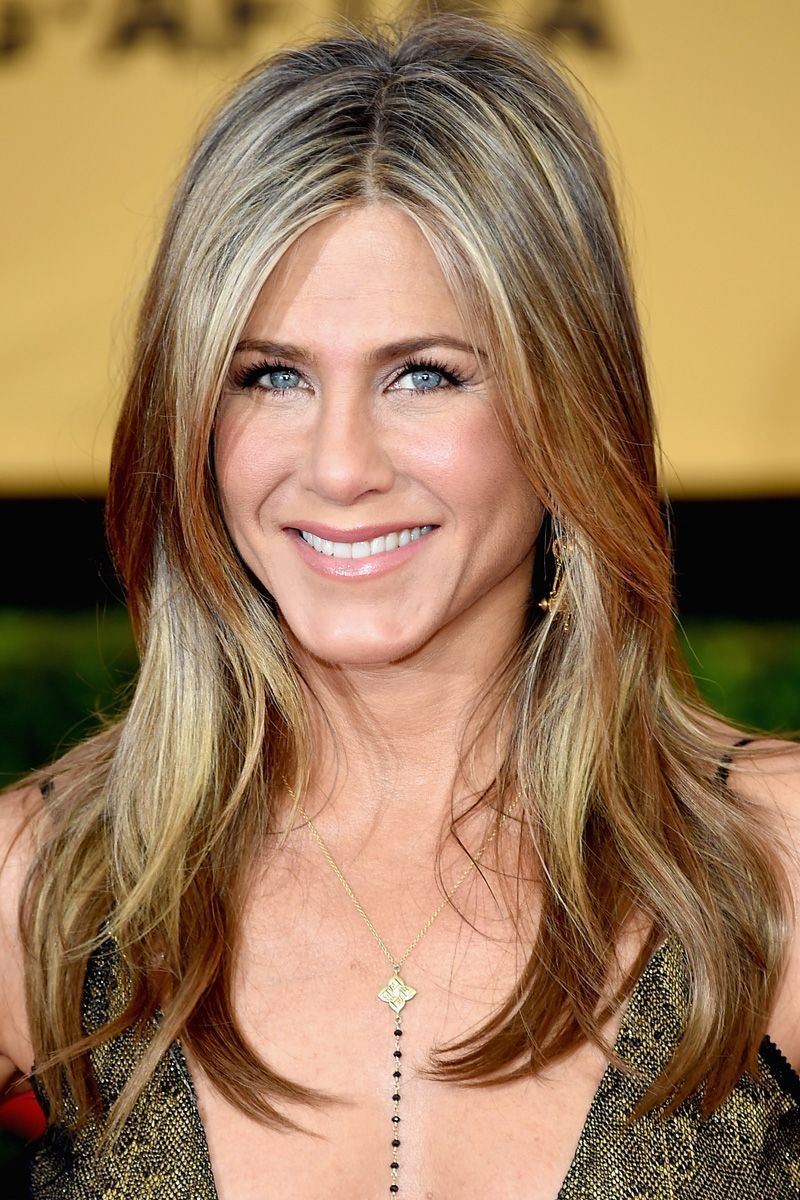
Age: 44
female
Kirsten Caroline Dunst (/ˈkɪərstən/ KEER-stən; born April 30, 1982) is an American actress. She made her acting debut in the anthology film New York Stories (1989) and has since starred in several films and television productions. She has received several awards, including nominations for an Academy Award, a Primetime Emmy Award, and four Golden Globe Awards. Dunst first gained recognition for her role as child vampire Claudia in the horror film Interview with the Vampire (1994), which earned her a Golden Globe nomination for Best Supporting Actress. She also had roles in her youth in Little Women (1994) and Jumanji (1995). Dunst transitioned to leading roles in teen films of 1999, the satires Dick and Drop Dead Gorgeous and Sofia Coppola's drama The Virgin Suicides. After the leading role in the cheerleading film Bring It On (2000), she gained wider attention for her role as Mary Jane Watson in Sam Raimi's Spider-Man trilogy (2002–2007). Her career progressed with a supporting role in Eternal Sunshine of the Spotless Mind (2004), followed by a lead role in Cameron Crowe's tragicomedy Elizabethtown (2005), and as Marie Antoinette in Coppola's Marie Antoinette (2006). In 2011, Dunst starred as a depressed newlywed in Lars von Trier's drama Melancholia, which earned her the Cannes Film Festival Award for Best Actress. In 2015, she played Peggy Blumquist in the second season of the FX series Fargo, earning a Primetime Emmy Award nomination for the role. Dunst had a supporting role in the film Hidden Figures (2016), and leading roles in Coppola's The Beguiled (2017) and in the dark comedy series On Becoming a God in Central Florida (2019), for which she received a third Golden Globe nomination. Dunst earned her fourth nomination for a Golden Globe and first nomination for an Academy Award for her performance in the psychological drama The Power of the Dog (2021). In 2024, she led the dystopian thriller film Civil War. Description above from the Wikipedia article Kirsten Dunst, licensed under CC-BY-SA, full list of contributors on Wikipedia.
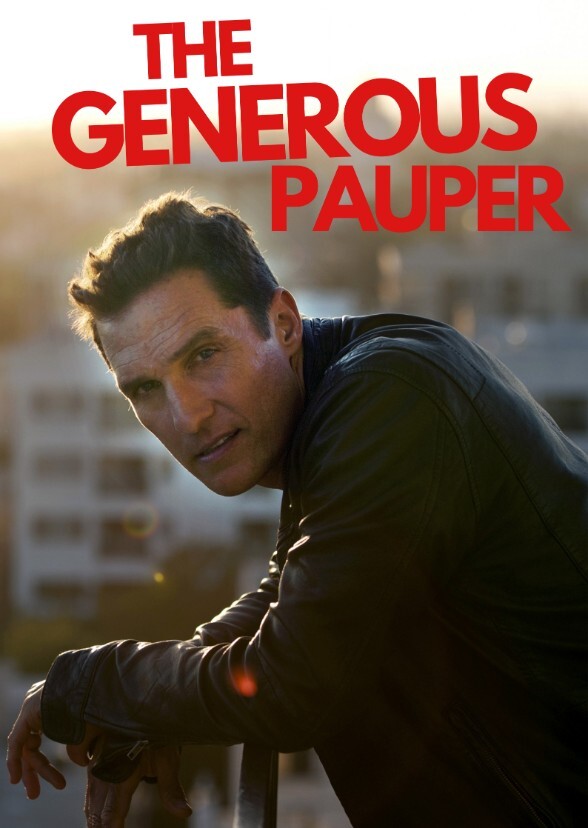
John H. Pendleton is a wealthy guy but he searching for happiness. Harry Redenbacher is a sad man who has lost faith in the world. Burdened by hardships and witnessing the suffering around him, he cries out to God for answers. The next day, Harry stumbles upon a credit card belonging to Pendleton. Seeing this as a sign, Harry begins using the card, not for himself but to help others in desperate need. Pendleton reports the stolen card, prompting an investigation led by the quirky, determined Detective Lou Kramer. Charges are brought against Harry. As his acts of kindness ripple through community, John learns about the lives his stolen money has touched. They finally tracks Harry down, he’s prepared for anger, prison. But after seeing those Harry helped and hearing their stories, he softens. Pendleton invites him to a private meeting, where they share their stories. Pendleton publicly forgives him and praises him for his good heart. Harry, humbled and emotional, asks Pendleton why he’s dropping the charges. "You robbed the wrong guy, Harry. I already am a giving person. All you did were good, unselfish and I respect that. You reminded me what it’s all about here." John then announces a partnership with Harry to create a foundation for those in need. The final scene features Harry and John standing on the steps of the newly opened foundation, with Harry saying, "I didn’t think I’d find hope in a credit card." Pendleton replies, "Sometimes, God works in mysterious ways."