
Age: 36
female
Margot Elise Robbie (born 2 July 1990) is an Australian actress and producer. Her work includes blockbusters and independent films, and her accolades include nominations for three Academy Awards, four Golden Globe Awards, and six BAFTA Awards. Time named her one of the 100 most influential people in the world in 2017, and Forbes named her the world's highest-paid actress in 2023. Born and raised in Queensland, Robbie began her career in 2008 on the television series Neighbours, on which she was a regular until 2011. After moving to the United States, she led the television series Pan Am (2011–2012). She had her breakthrough in 2013 with Martin Scorsese's black comedy film The Wolf of Wall Street. She achieved wider recognition by starring in the roles of Jane Porter in The Legend of Tarzan (2016) and Harley Quinn in the DC Extended Universe films, beginning with Suicide Squad (2016). Robbie received critical acclaim and a nomination for the Academy Award for Best Actress for her portrayal of figure skater Tonya Harding in the biopic I, Tonya (2017). This acclaim continued for her performances as Queen Elizabeth I in Mary Queen of Scots (2018), Sharon Tate in Once Upon a Time in Hollywood (2019), and a Fox News employee in Bombshell (2019). The last of these earned her a nomination for the Academy Award for Best Supporting Actress. Robbie has since starred as an aspiring actress in the period film Babylon (2022) and the titular fashion doll in the fantasy comedy Barbie (2023), which emerged as her highest-grossing release and, as its producer, earned her a nomination for the Academy Award for Best Picture. Robbie and her husband, filmmaker Tom Ackerley, co-founded the production company LuckyChap Entertainment in 2014, under which they have produced several films, including I, Tonya, Promising Young Woman (2020), Barbie, and Saltburn (2023), as well as the Hulu series Dollface (2019–2022) and the Netflix miniseries Maid (2021).
Margot Robbie

Zoey Siciliano
for Zoey Siciliano in The Gangster Massacre
Suggested by user_81809
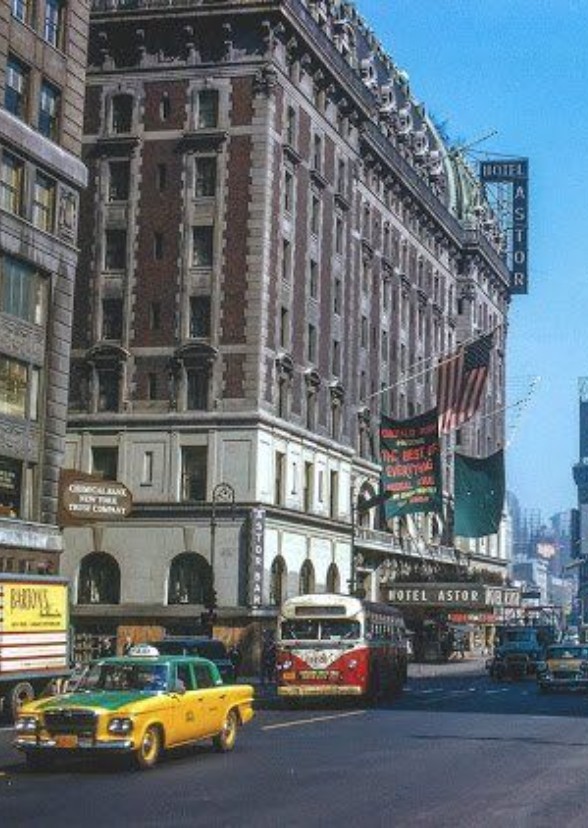
The rise of power that the Mafia acquired during prohibition would continue long after alcohol was made legal again. Criminal empires which had expanded on bootleg money would find other avenues to continue making large sums of money. When alcohol ceased to be prohibited in 1960s the Mafia diversified its money-making criminal activities to include illegal gambling operations, loan sharking, extortion, protection rackets, drug trafficking, fencing, and labor racketeering through many labor unions in the United States, most notably the Teamsters and International Longshoremen's Association This allowed crime families to make inroads into very profitable legitimate businesses such as construction, demolition, waste management, trucking, and in the waterfront and garment industry In addition they could raid the unions' health and pension funds, extort businesses with threats of a workers' strike and participate in bid rigging. In New York City most construction projects could not be performed without the Five Families approval. In the port and loading dock industries, the Mafia bribed union members to tip them off to valuable items being brought in. Mobsters would then steal these products and fence the stolen merchandise.




